How to Build a Fashion Moodboard That Fits Real Life
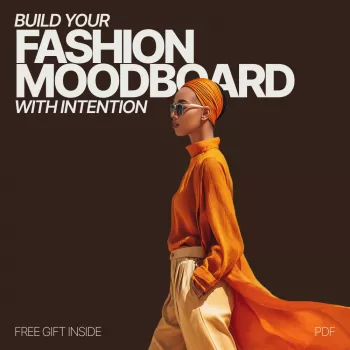
Build Your Fashion Moodboard With Intention
A fashion moodboard is more than a collage—it’s a decision-making tool that clarifies personal style, guides shopping, and keeps outfits cohesive. With a clear intention, the board becomes a practical reference for silhouettes, colors, textures, and lifestyle needs. For more guidance, see What Is A Mood Board and How to Make One for Interior ….
What a Fashion Moodboard Is (and What It Isn’t)
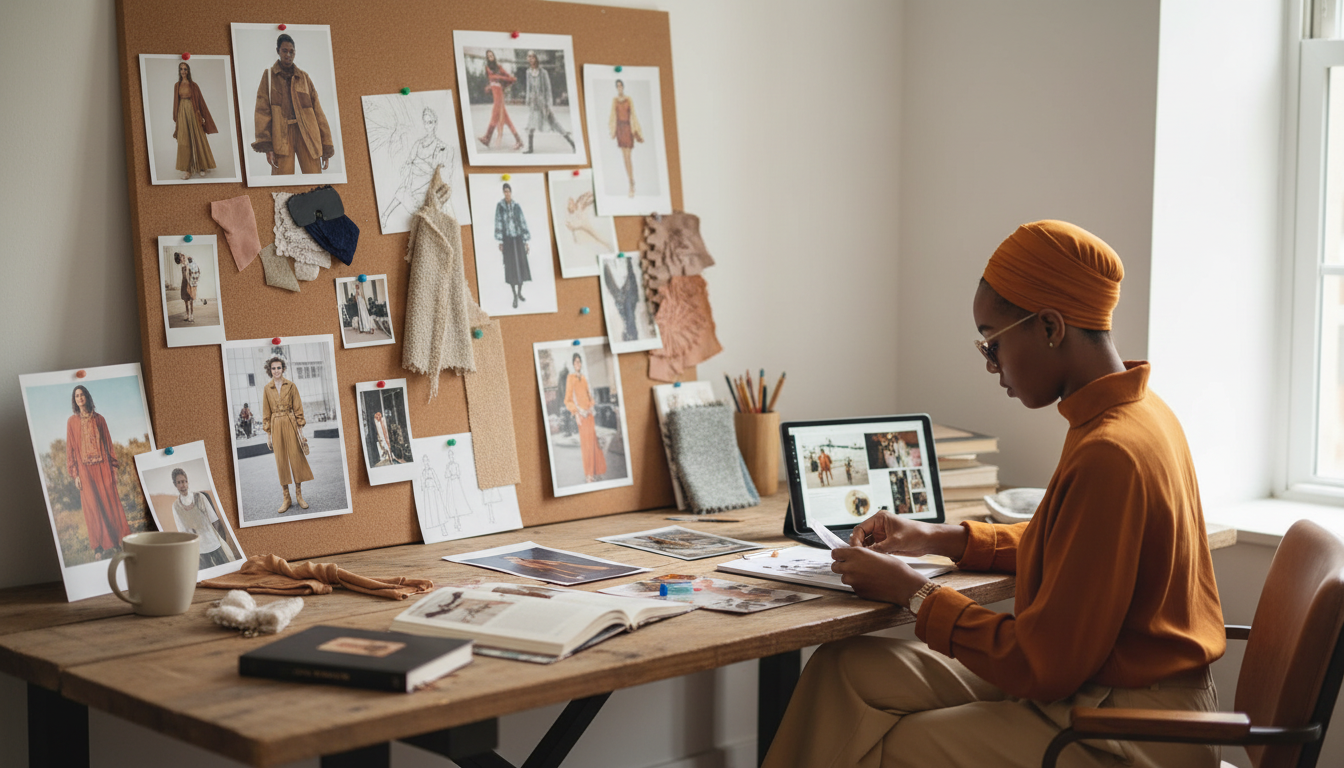
A fashion moodboard is a visual system for style direction. It collects cues—shapes, colors, fabrics, styling details, and overall attitude—so getting dressed feels less like guessing and more like following a map. For further reading, see 1.4: The Adaptive Apparel Designer’s Guide to Creating a ….
What it isn’t: a wishlist of random outfits that only work on someone else, in perfect lighting, on a day with no errands. The most useful boards reflect a repeatable pattern that fits real life: work needs, climate, comfort, budget, and how often laundry actually gets done.
A strong moodboard quietly answers two questions: “What do I want to feel like in my clothes?” and “What do I reach for most often?” When those answers align, outfits look intentional without feeling costume-y.
Start With Intention: Define the Style Problem You’re Solving
Before saving a single image, pick one primary goal. A moodboard that tries to solve everything at once usually solves nothing. Keep it focused: a wardrobe refresh, a seasonal capsule, event dressing, a workwear upgrade, or a personal rebrand.
Next, name 3–5 feelings that will guide decisions—words like polished, grounded, playful, sharp, romantic, or effortless. Feelings matter because they translate into concrete choices: a “sharp” board often leans into crisp fabrics, clean lines, and structured shoes; an “effortless” board might prioritize relaxed tailoring and soft knits.
Finally, list constraints that actually impact your days: climate, dress code, comfort needs, laundering, modesty preferences, and how much walking or commuting happens. These details keep your board from turning into fantasy fashion that never leaves the closet. Decide the time horizon too: the next 30 days (outfit planning), next season (shopping strategy), or a yearlong board (style identity).
Intention prompts that shape better choices
| Prompt | Example answer | What it influences |
|---|---|---|
| Where will outfits be worn most? | Office + weekends | Silhouettes, footwear, layering |
| How should clothing feel? | Clean, confident, low-effort | Color palette, tailoring level |
| What’s non-negotiable? | Comfortable waistbands | Fabric and fit priorities |
| What needs updating first? | Tops and shoes | Shopping order and budget allocation |
| What should be avoided? | Itchy knits, fussy straps | Edit rules for sourcing images/items |
Collect Visual Ingredients (Without Getting Overwhelmed)
Start by pulling 30–60 images quickly, without judging too hard. Over-collecting at first makes patterns easier to spot later. Then edit down to what truly matches your intention.
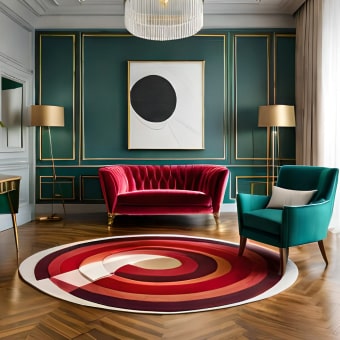
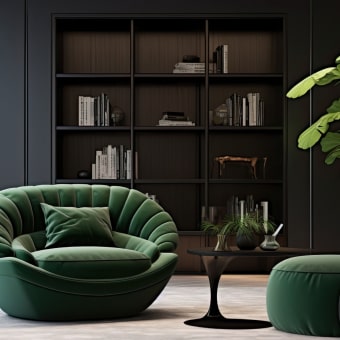
Mix sources so your board doesn’t look like a single trend cycle: street style, runway photos, vintage archives, brand lookbooks, film stills, interior design, and even nature textures for color cues. If you need a simple way to save and organize, Pinterest boards can be efficient for fast collecting (see the Pinterest Help Center).
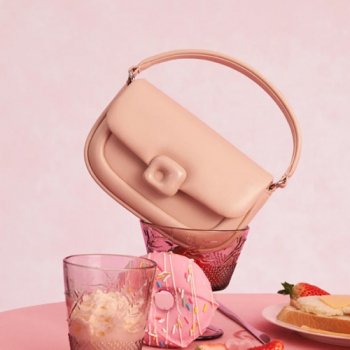
Prioritize images that show details: hems, collars, shoe shapes, jewelry scale, bag proportions, fabric drape, and layering methods. Those specifics translate into smarter purchases than full-body outfit shots alone.
Add a few lifestyle references—your commute, workspace vibe, travel routines, or weekend activities—so your final board supports how you actually move through the day.
Edit With a System: Find the Repeating Patterns
The “magic” of a moodboard happens during editing. Group images by what repeats: silhouette (wide-leg, column, cropped jacket), palette (warm neutrals, high-contrast), and styling moves (belted waist, tonal dressing, intentional oversized).
From those clusters, choose three style pillars that show up across the board. Think of pillars as your outfit backbone. Examples:
- Structured outerwear
- Monochrome base outfits
- One bold accessory per look
Then write a short “yes list” (must-have traits) and a “no list” (things that look good but don’t fit your life). This is where you protect your closet from impulse buys—like dreamy fabrics that wrinkle instantly or shoes that can’t handle your daily steps.
If the board feels like multiple people, split it into two: weekday vs. weekend, minimalist vs. romantic, warm-weather vs. cold-weather. Two clear boards beat one confusing board.
Turn the Moodboard Into a Wearable Plan
Translate your visuals into a color palette you can actually shop. A reliable formula: two neutrals, two supporting colors, and one accent used mainly in accessories or statement pieces. If you want a more systematic approach to color, explore palettes with Adobe Color or reference standardized color language via Pantone Color Systems.
Tools and Formats: Digital, Physical, or Hybrid
Use a Guided Framework to Build a Board That Matches Real Life
If decision fatigue hits halfway through the process, a structured guide can help you move from inspiration to clear outputs: palette, pillars, outfit formulas, and shopping rules. For a step-by-step template that keeps everything intentional, see Build Your Fashion Moodboard With Intention – A Guide to Creating a Personalized Fashion Moodboard.
Style planning also goes more smoothly when the rest of your routine feels supported—especially on busy mornings. If you’re building a “fresh, awake, pulled-together” aesthetic, pairing your style plan with simple self-care can help; Naturally Awake: Puffy Eye Solutions – Natural Remedies for Puffy Eyes Guide is an easy reference to keep on hand.
FAQ
How to create a moodboard for fashion?
Pick one goal, collect 30–60 images, then edit down to the strongest set that shares the same silhouettes, colors, and styling details. Identify repeating patterns, choose 3 style pillars, and turn them into a small palette and a few outfit formulas you can repeat.







Leave a comment