

Skin Elasticity Check: Easy At-Home Tests
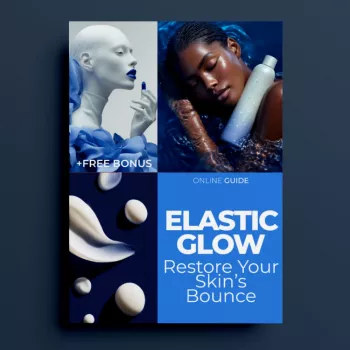
How to tell if skin still has elasticity?
Skin elasticity is your skin’s ability to stretch and spring back. When it’s in good shape, skin looks bouncy, feels resilient, and “recovers” quickly after movement or gentle pressure. A few simple at-home checks can help you gauge where yours stands.
Try the pinch-and-release test (cheek or back of hand)
Using clean fingers, gently pinch a small area of skin on your cheek or the back of your hand for 1–2 seconds, then release. Skin with healthy elasticity snaps back right away. If it returns slowly, looks a bit crepey afterward, or stays slightly “tented,” elasticity may be reduced.
Check bounce after facial expressions
Smile widely, raise your eyebrows, or squint for a few seconds, then relax your face. If lines fade quickly, the skin is generally rebounding well. If creases linger longer than usual (especially when the skin feels dry), elasticity and hydration may both need support.
Look for texture changes that show up under light
In side lighting, reduced elasticity often shows up as fine crinkling, a thinner-looking surface, or less “plumpness” in areas like under the eyes, around the mouth, and the neck. These signs can be more noticeable when you’re dehydrated, stressed, or sleeping poorly.
Rule out temporary factors first
Elasticity can appear worse when skin is dry or irritated. If your skin feels tight, flaky, or rough, focus on restoring moisture and barrier comfort for a couple of weeks, then recheck. Daily sunscreen also matters, since UV exposure is a major driver of collagen and elastin breakdown.
Build an elasticity-support routine
Look for consistent basics: gentle cleansing, hydration, moisturizers that support the barrier, and daily SPF. To go deeper on steps and product types that support a firmer, bouncier look, visit this elastic glow routine guide.
FAQ
What causes skin to lose elasticity?
Natural aging lowers collagen and elastin production, while UV exposure speeds breakdown. Dehydration, smoking, high stress, and poor sleep can also make skin look less resilient.









Leave a comment