


Best Insulation for Outdoor Cat Houses (Safe & Warm)
What is a good insulator for outdoor cat houses?
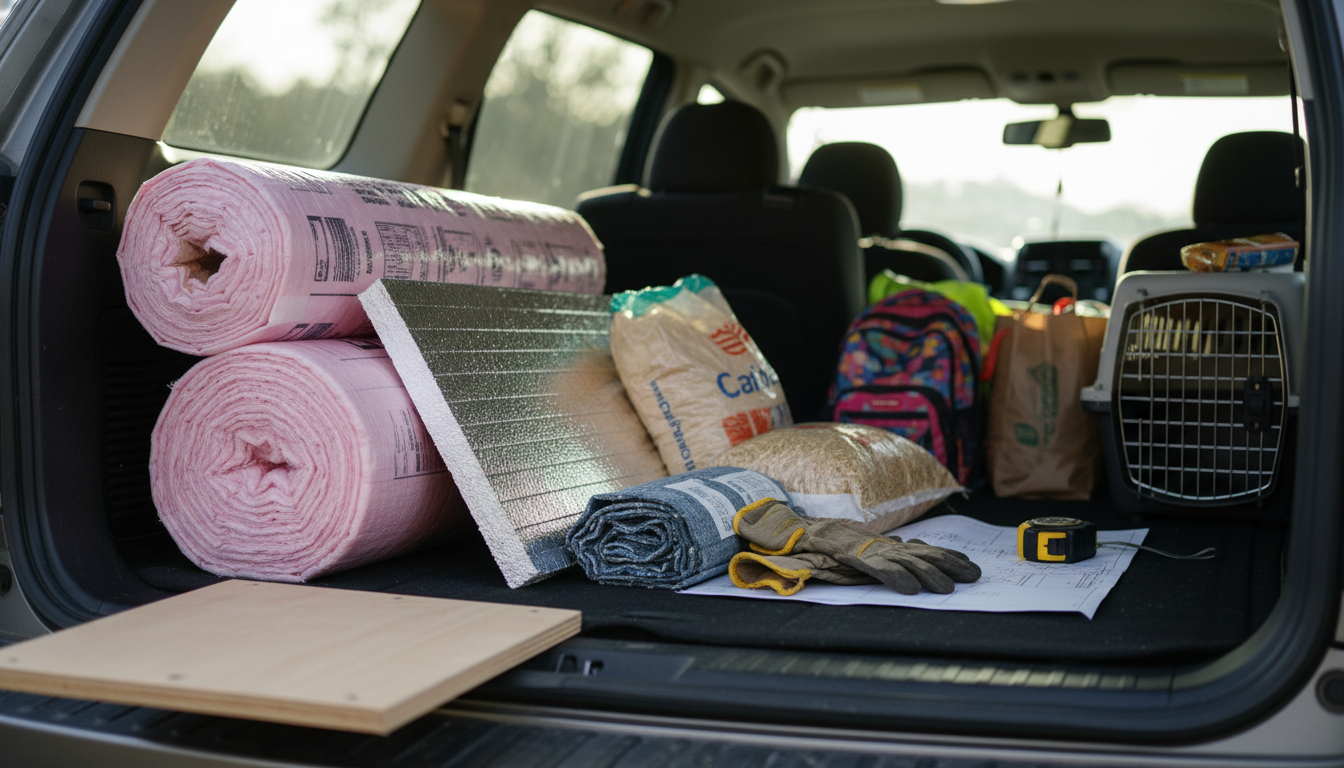
A good insulator for an outdoor cat house is one that holds warmth, resists moisture, and stays safe if a curious cat paws or chews at it. For most outdoor setups, rigid foam board insulation (like XPS), combined with a smooth interior liner, is one of the most effective options because it has a high insulating value per inch and doesn’t sag when temperatures drop.
If you want a non-foam alternative, natural fiber insulation such as wool can work well when it’s kept fully dry and sealed behind an inner wall. Reflective barriers can also help in certain builds, but they perform best when paired with an air gap and a real insulating layer—on their own they won’t protect much during prolonged cold.
Top insulation choices (and why they work)
XPS rigid foam board: Excellent cold-weather performance, handles damp conditions better than many materials, and is easy to cut to fit walls, floors, and roofs. It should be fully covered so cats can’t access it.
Polyiso rigid foam board: Strong insulating value and often comes with a foil facing. It can be less effective in extreme cold than XPS, but still performs well for many climates when properly installed.
Wool or other natural fibers (sealed in): Provides warmth and manages humidity better than many fluffy insulations, but must be protected from water and nesting pests.
Straw (for bedding, not walls): Straw is a classic choice inside outdoor cat shelters because it stays relatively dry and traps heat. Avoid hay, which holds moisture and can grow moldy.
Where insulation matters most
Prioritize the floor first (cold ground pulls heat fast), then the roof, then the walls. Small gaps and drafts can undo good insulation, so weatherproof seams and a snug door flap can make a noticeable difference.
Important safety and durability tips
Any foam insulation should be sandwiched between solid panels so it can’t be scratched, chewed, or exposed to sunlight. Use pet-safe construction methods, keep the interior easy to wipe clean, and avoid loose fiberglass or any insulation that can shed irritating fibers.
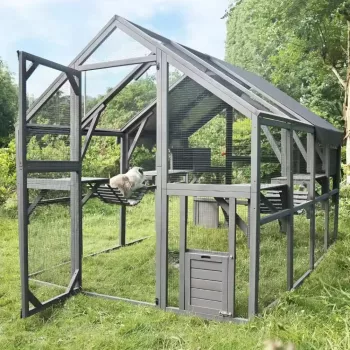
For more details on building a warmer, weather-resistant setup (including structure, roof protection, and placement), see the full guide here: https://splendena.com/guide-weatherproof-xl-outdoor-cat-house-perch-platforms/.
FAQ
How can I keep an outdoor cat house warm without electricity?
Use rigid insulation in the floor and walls, block drafts with a door flap, and add straw bedding for warmth. Place the shelter out of wind and off the ground to reduce heat loss.










Leave a comment