One vs Two Entrances: What Outdoor Cats Prefer
Do cats prefer houses with one entrance?
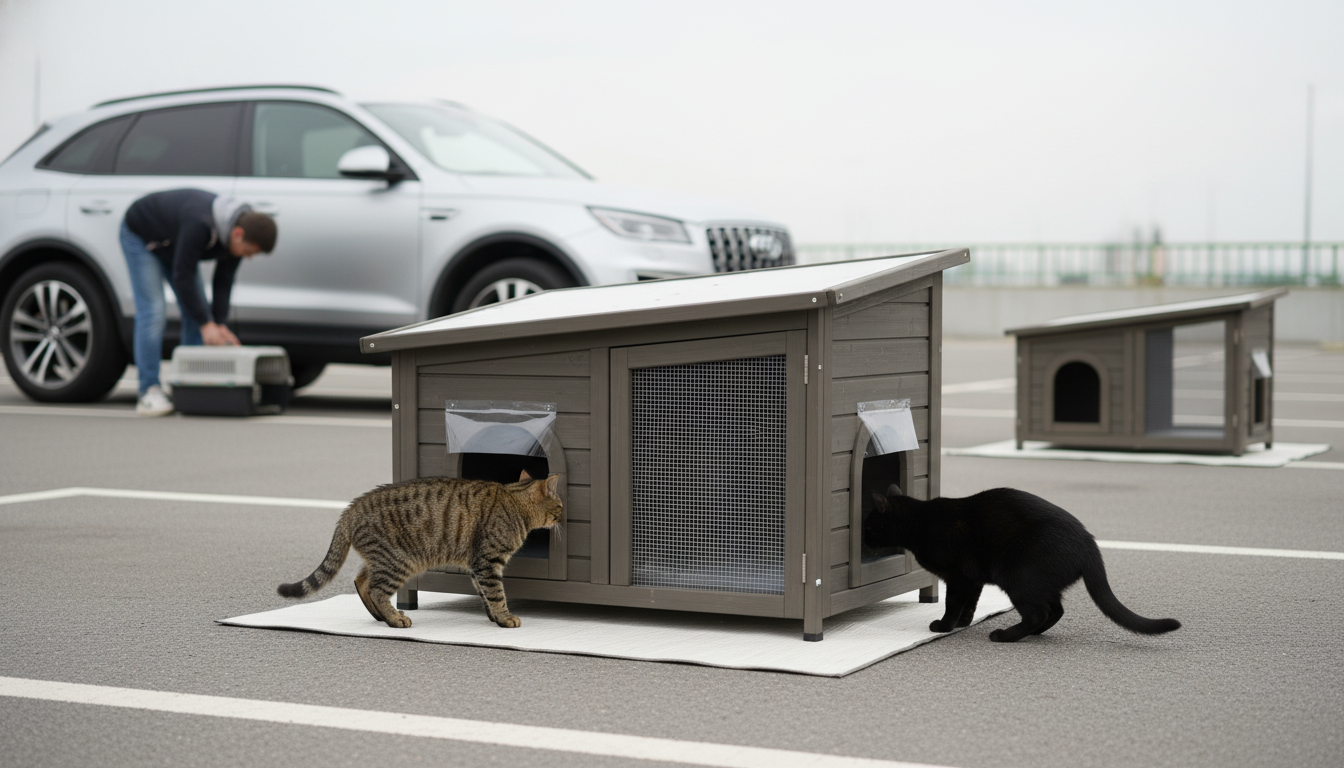
Many cats do prefer outdoor cat houses with a single entrance, especially in colder or windier conditions. A one-door design is easier for a cat to “defend,” helps block drafts, and makes the interior feel more den-like—something many cats naturally seek when they want to rest and feel secure.
That said, preference can depend on the cat and the setting. In areas with predators (like coyotes) or where neighborhood cats may challenge them, some cats feel safer with a second escape route. The tradeoff is that a second opening can let in more cold air and moisture unless it’s designed with a protected vestibule or offset entry.
Why a single entrance often feels safer
Outdoor environments are noisy and unpredictable. With one entrance, a cat can position itself to watch the only access point, reducing surprise encounters. This is particularly helpful for timid cats, older cats, or cats recovering from stress who may avoid shelters that feel “too open.”
Warmth and weather protection
Single-entry shelters are typically easier to weatherproof because there’s one cutout to seal and shield. Less airflow generally means better heat retention, which matters most during freezing nights. Pairing a one-door shelter with proper insulation, a raised floor, and a wind-blocking doorway flap can make a noticeable difference in comfort.
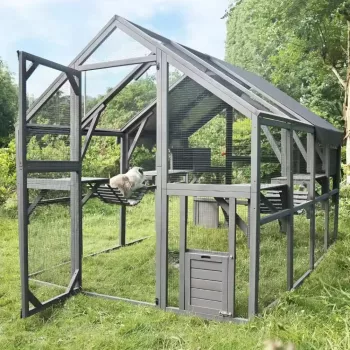
For a deeper look at choosing a weather-ready outdoor shelter—especially larger models with features like elevated perches—see this guide: weatherproof XL outdoor cat house with perch platforms.
When two entrances can be the better choice
If the shelter is placed where animals or people might corner a cat, a second exit can reduce risk and encourage a cautious cat to use the house at all. In those situations, consider designs where the second opening is smaller, offset, or partially enclosed to limit drafts while still providing an escape route.
FAQ
What can I put in a cat house to make it warm?
Use straw (not blankets) for insulation, add a rigid foam layer under or around the interior if the house design allows, and keep the floor raised off the ground. A snug entrance flap and a windbreak placement also help the space stay warmer.
What can I use to make an outside cat house?
A sturdy plastic storage tote or a wooden box can work well as a base, lined with insulation and finished with a weatherproof lid. Cut a smooth-edged entrance, elevate it off the ground, and use straw inside for warmth.
What is the best shelter for an outdoor cat?
The best shelter is insulated, wind-resistant, raised off the ground, and sized so the cat’s body heat can warm the interior. It should stay dry, have a protected entry, and be placed in a quiet spot out of direct wind and precipitation.










Leave a comment