


AI Pet Diet Personalization: Age, Breed, Weight & Activity
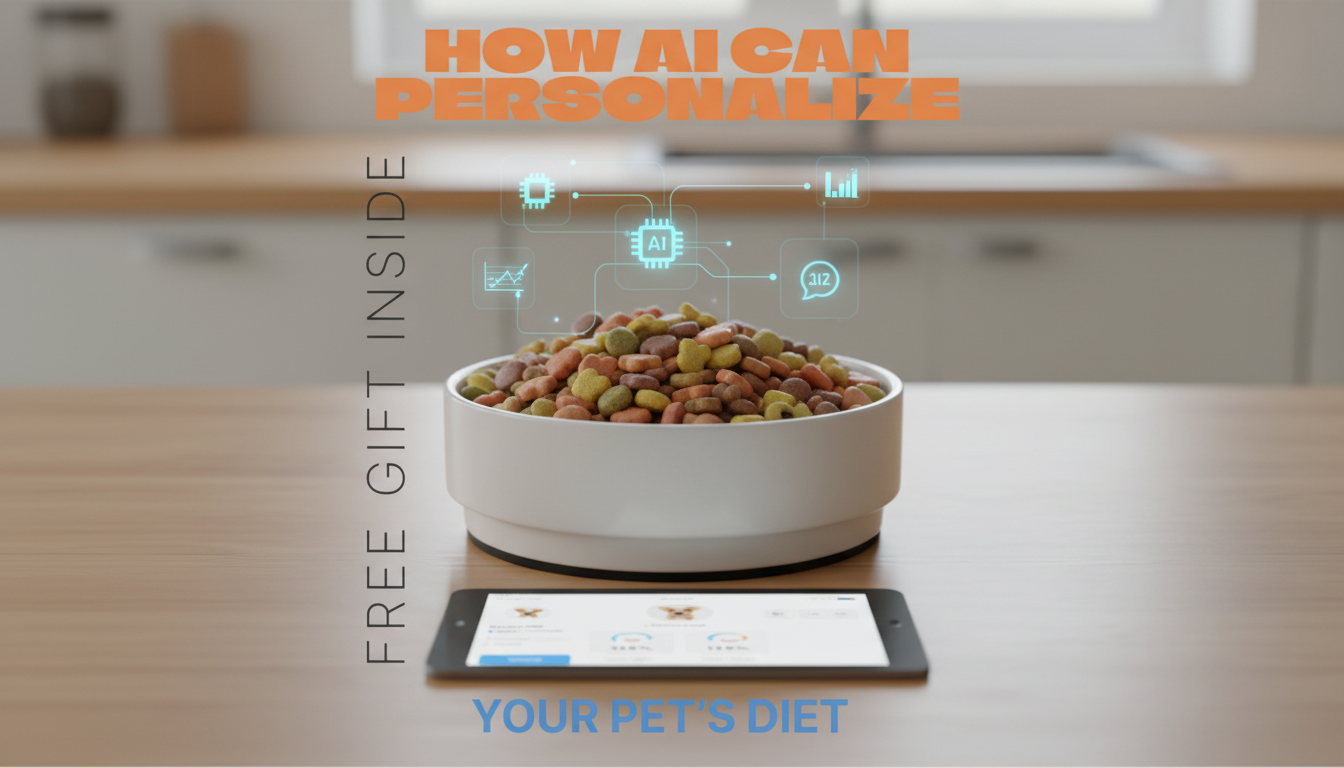
How does AI personalize a pet’s diet based on age, breed, weight, and activity level?
Answer
AI personalizes a pet’s diet by turning everyday details—age, breed, weight, and activity—into a nutrition profile that estimates calorie needs, ideal macronutrient balance, and practical feeding portions. Instead of using a one-size-fits-all chart, it weighs multiple inputs at the same time and updates recommendations as your pet’s data changes.
Age is often the first driver. Puppies and kittens typically need more calories per pound and higher levels of certain nutrients to support growth, while adult pets focus on maintenance and seniors may benefit from adjusted calorie targets, joint-supportive nutrients, and easier-to-digest formulas. AI models incorporate life-stage guidance and apply it to your pet’s size and activity to avoid overfeeding or underfeeding during transitions.
Breed matters because genetics influence typical body composition, metabolism, and common sensitivities. For example, some breeds are prone to weight gain, while others are naturally lean and high-energy. Breed can also hint at likely nutrient priorities (like skin/coat support) or ingredient sensitivities that may shape protein sources and fiber levels. AI uses breed tendencies as a starting point, then relies on the individual pet’s numbers (weight and activity) to fine-tune.
Weight and body condition are key for portion control. AI systems estimate a daily calorie range, then convert it into meal amounts based on the food’s calorie density. If a pet is above or below an ideal weight, the plan may set a safe calorie deficit or surplus and include a target rate of change to protect muscle and overall health. As weigh-ins come in, the system can adjust portions incrementally rather than making sudden, stressful changes.
Activity level helps prevent the classic mismatch: feeding an “average” portion to a couch companion or an athletic pet. AI accounts for frequency, duration, and intensity—sometimes pulling in data from wearables or owner logs—to recalibrate energy needs and recommend meal timing that supports consistent energy.
For a deeper look at how smarter feeding plans are built and updated, visit this guide to AI pet diet personalization.
FAQ
What data should you track to help AI adjust your pet’s meal plan?
Track weekly weight, body condition score (or clear progress photos), daily activity changes, treat intake, and any digestive or skin/coat reactions. Consistent updates help the system refine calories and ingredients with smaller, more accurate adjustments.











Leave a comment