


Weatherproof XL Outdoor Cat House with Perch Platforms
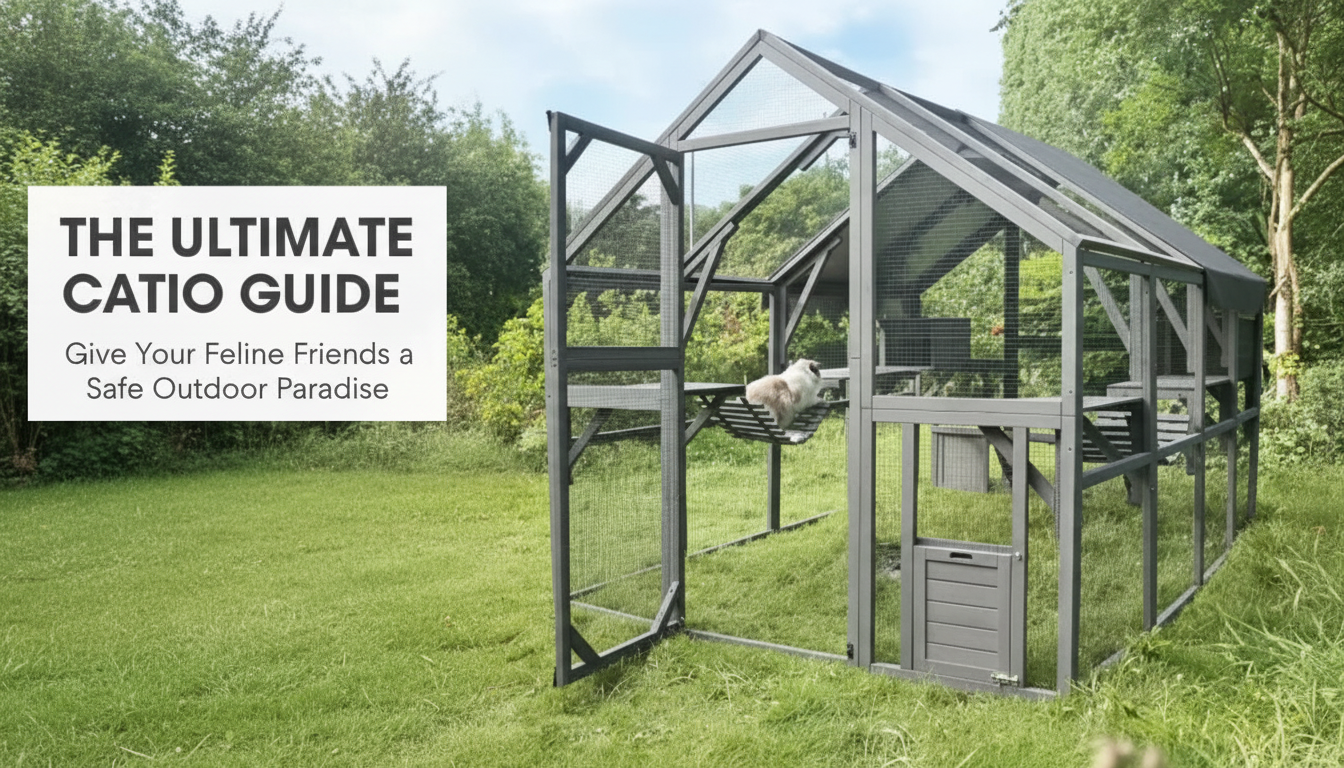
An outdoor shelter that stays dry, blocks wind, and gives cats elevated places to perch can make a major difference for comfort and safety year-round. This guide covers what matters most in an extra large outdoor cat house with platforms and a waterproof cover—how it handles rain and cold, how platforms support natural behavior, and how to set it up for long-term use outdoors.
What Makes an Outdoor Cat House Work in Real Weather
Outdoor cat housing fails most often for one simple reason: moisture. Once bedding gets damp, warmth drops fast and odors build up. A weather-ready shelter focuses on dryness first, then draft control, then easy upkeep.
- Dry interior: A properly fitted waterproof cover plus a roof overhang helps reduce seepage and keeps bedding from turning clammy after long rain.
- Wind control: Fewer gaps, snug door flaps (if included), and placing the shelter near a solid wall can cut drafts dramatically.
- Raised off the ground: Legs or a base reduce ground moisture and slow heat loss through cold soil or concrete.
- Easy-to-clean surfaces: A shelter that’s simple to open, wipe, and re-bed stays fresher and is easier to maintain through the seasons.
For additional shelter ideas and cold-weather basics, see resources from Alley Cat Allies and the Humane Society of the United States.
Platforms: Comfort, Confidence, and Conflict Reduction
Platforms aren’t just “nice to have.” Elevated spots match a cat’s instinct to observe from above, and they can make an outdoor setup feel safer—especially in unfamiliar yards or shared spaces.
- Natural lookout behavior: A perch gives cats a place to scan their surroundings before committing to rest.
- Multi-cat harmony: Multiple levels help reduce tension by offering separate zones and “escape routes” if one cat wants space.
- Senior- and large-cat friendly movement: Step spacing matters; stable transitions and adequate landing areas reduce slips and awkward jumps.
- Traction in bad weather: Look for grippy textures that stay safer when surfaces are wet or icy.
Waterproof Cover: What to Check Before Leaving It Outside
A waterproof cover can turn a decent shelter into a dependable one, but only if it’s secured and tensioned correctly. “Water-resistant” fabric that flaps in wind or sags in rain often leads to pooling, seepage, and wet bedding.
- Coverage: The cover should protect the roof and upper walls without leaving corners exposed.
- Attachment: Straps, elastic edges, or tie-down points keep the cover from shifting during storms.
- Seams and tension: A well-tensioned cover sheds water; sagging fabric forms puddles that eventually find a way inside.
- Sun exposure: UV resistance slows cracking and fading; partial shade can extend the cover’s usable life.
Insulation and Bedding That Stay Warm Without Staying Wet
Warmth comes from trapped air—and trapped air only helps when the material stays dry. For outdoor use, choose bedding that resists moisture and won’t become a cold sponge after a foggy night or wind-driven rain.
- Dry insulation is key: Keep insulation elevated and protected from damp ground and splashback.
- Straw (not hay): Straw is widely used in outdoor shelters because it resists moisture and creates insulating air pockets.
- Use blankets carefully: Thick towels and blankets can absorb moisture and, in freezing climates, can chill or freeze. Use them only when the interior stays reliably dry.
- Entrance windbreak: A door flap or offset doorway helps reduce heat loss and limits drafts.
Cold-weather safety reminders from the ASPCA can also help when temperatures drop quickly.
Sizing: Extra Large Should Mean More Than Just Floor Space
“Extra large” is most useful when it improves real comfort and usability—not just the footprint. The best size balances space to stretch with the ability to retain heat.
Placement and Setup for Maximum Protection
Quick Comparison: Features to Prioritize
| Feature | Why it matters outdoors | What to look for |
|---|---|---|
| Waterproof cover | Reduces soaked bedding and heat loss | Full roof coverage, secured edges, minimal pooling |
| Raised base | Limits ground cold and moisture | Legs or platform; stable, level support |
| Platforms/levels | Adds comfort and reduces stress | Non-slip surfaces; safe step heights |
| Entrance design | Controls drafts and improves safety | Offset doorway or flap; optional second exit |
| Insulation/bedding | Helps maintain warmth in cold snaps | Straw or insulated panels; stays dry |
| Easy cleaning | Reduces odor and parasites | Accessible interior; wipeable surfaces or removable parts |
Care, Cleaning, and Seasonal Maintenance
Product Options to Consider
- Extra Large Outdoor Cat House with Platforms and Waterproof Cover ($777.32): A roomy shelter built to offer elevated resting areas along with weather shielding—especially helpful for cats that like to perch or shared outdoor spaces where separate levels reduce crowding.
- How AI Can Personalize Your Pet’s Diet – Smart Nutrition Guide for Healthier Pets | ai pet diet personalization Digital Guide ($7.99): Useful for households managing weight, hydration, or feeding routines for multiple cats, including indoor/outdoor lifestyles.
- Cotton Sleeping Bag Liner ($31.51): A soft liner option for covered, reliably dry setups; in damp climates, use cautiously and prioritize moisture-resistant bedding where freezing is a concern.
FAQ
Do cats prefer houses with one entrance?
Many cats feel safer with a second exit so they can avoid being cornered, especially in multi-cat areas. In very windy locations, a single offset entrance or a door flap can reduce drafts while still keeping the space secure.
What is a good insulator for outdoor cat houses?
Straw is commonly recommended because it resists moisture and traps warm air in its structure. Foam insulation panels can also work if kept dry and protected from chewing, while damp towels or blankets can lose warmth and may freeze in cold weather.











Leave a comment