


AI Pet Meal Inputs: What to Enter for Better Results
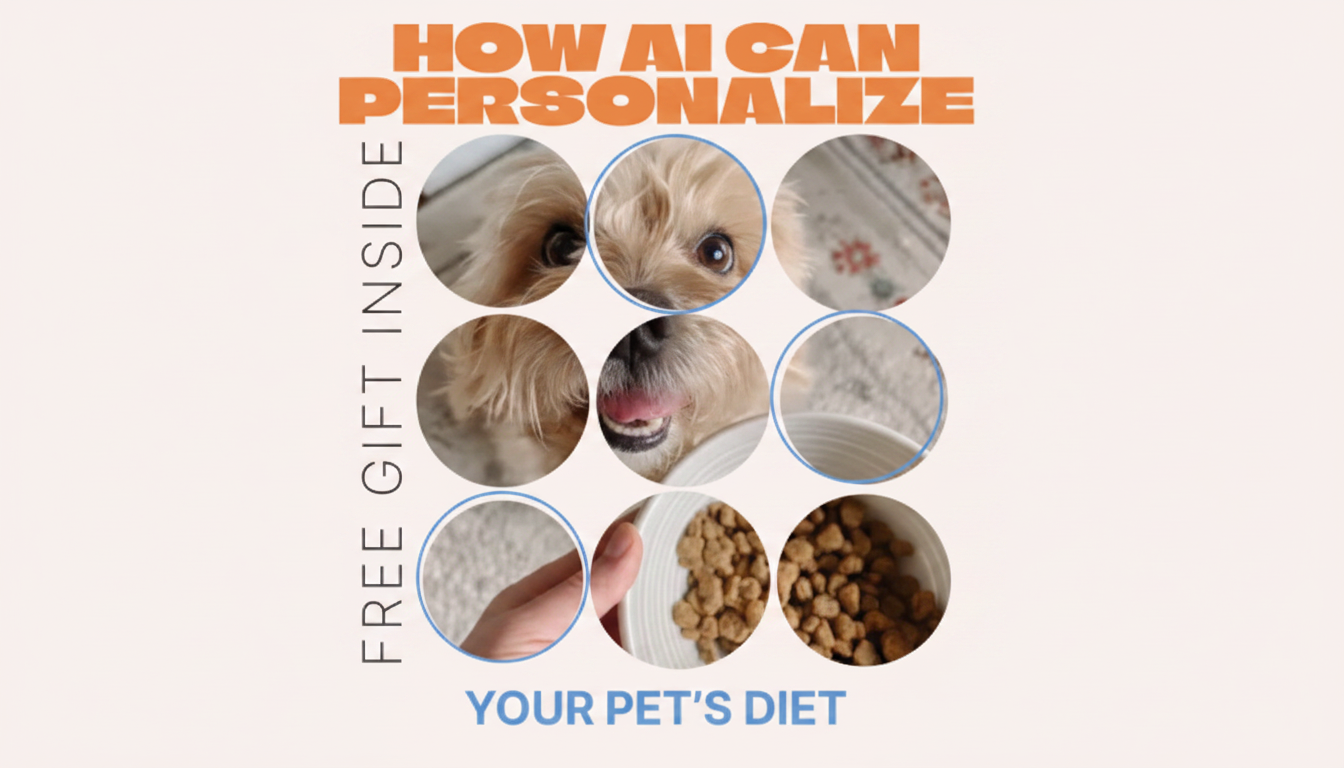
What information do you need to input to get accurate AI-based pet meal recommendations?
Accurate AI-based pet meal recommendations depend on a complete snapshot of your pet’s body, lifestyle, and health. The more specific the inputs, the better the tool can estimate calorie needs, choose appropriate nutrient targets, and filter ingredients that may not be a good fit. If you’re using a personalization tool for the first time, gather the basics first, then add the “fine print” details that often change the final plan.
Core details that shape daily calories
Start with your pet’s species (dog or cat), age, sex, and whether they’re spayed/neutered. Then add current weight and an honest body condition score (too thin, ideal, or overweight). Activity level matters just as much: a couch-loving senior, an average adult, and a high-energy runner can need very different calorie amounts even at the same weight.
Health and medical context
Any diagnosed conditions should be included, such as kidney disease, diabetes, pancreatitis, urinary issues, allergies, or gastrointestinal sensitivity. Note current medications and supplements too, since some diets need to avoid certain minerals or adjust fat, fiber, or protein levels. If you have recent lab results or veterinary diet instructions, include them when the tool allows.
Diet history and preferences
AI tools can make better suggestions when they know what your pet currently eats (brand, formula, portion size, treats, and table scraps). Include feeding schedule, appetite patterns, and any past reactions like itching, ear issues, vomiting, diarrhea, or refusal to eat. Also add ingredient dislikes and textures your pet reliably accepts (kibble, wet food, fresh, mixed).
Goals and constraints
Enter the goal that matches reality: weight loss, weight gain, maintenance, sensitive stomach support, or a coat/skin focus. If you have practical constraints—budget range, preferred proteins, limited-ingredient needs, or multi-pet feeding—those settings help narrow recommendations to options you can actually stick with.
For a deeper look at how personalized feeding works and why these inputs matter, visit this guide to AI pet diet personalization.
FAQ
Can AI pet meal recommendations replace a veterinarian’s nutrition advice?
No—AI recommendations are best used as decision support. If your pet has a medical condition, is on medication, is very young, or is pregnant, confirm any diet changes with your veterinarian or a board-certified veterinary nutritionist.










Leave a comment