

21-Inch 140cc Gas Push Mower: 3-in-1 Mulch & Bag
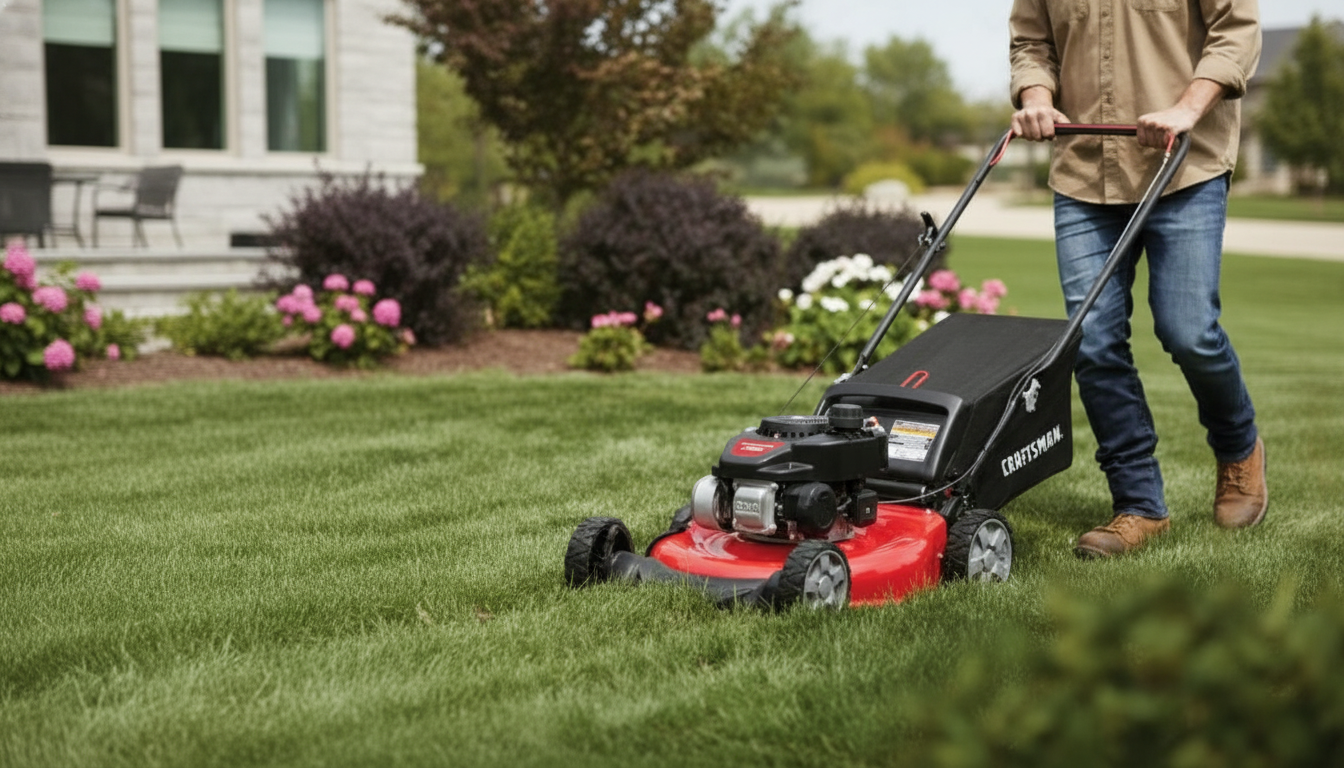
Gas Powered Lawn Mower: 21-Inch 3-in-1 Mulching Push Mower with Bag (140cc) for Clean, Even Cuts
A 21-inch gas push mower with a 140cc engine and 3-in-1 capability (mulch, bag, side discharge) fits many average-size yards where consistent power, simple controls, and tidy cleanup matter. This guide breaks down performance, handling, cutting options, care, and what to expect day to day.
What a 21-inch, 140cc gas push mower is best at
This size class is a practical “workhorse” for routine lawn maintenance—especially if you prefer straightforward push control rather than managing a drive system.
- Handles regular weekly mowing with steady torque compared with many entry electric push mowers, particularly when grass gets a bit thicker.
- A 21-inch deck covers more ground per pass than smaller decks, cutting down on total laps across medium lawns.
- Push design keeps weight and complexity down versus self-propelled models, with fewer drive components to maintain.
- Useful for mixed conditions: sunny sections, thicker spring growth, and occasional damp patches (within safe mowing limits).
3-in-1 cutting: mulching, bagging, and side discharge
A 3-in-1 mower is all about flexibility. Instead of being locked into one cleanup style, you can match the output to the season and the lawn’s current growth rate.
- Mulching mode: Re-cuts clippings into finer pieces to return nutrients to the lawn; best when mowing frequently and grass is not overly tall.
- Bagging mode: Collects clippings for a cleaner finish; helpful in heavy growth, leaf pickup, or where clippings should be removed.
- Side discharge: Ejects clippings to the side for faster mowing in taller grass when bagging would fill too quickly.
- Switching methods works best when the mower is off, cooled down, and on level ground.
Choosing the right cutting mode
| Mode | Best for | Trade-offs |
|---|---|---|
| Mulching | Routine maintenance cuts; improving soil return | Struggles if grass is too tall/wet; may leave clumps if overgrown |
| Bagging | Clean look; leaf pickup; reducing thatch buildup | Bag fills fast in heavy growth; adds weight while pushing |
| Side discharge | Fast cutting in thick/tall grass | Less tidy; clippings can land on walkways or beds |
Cut quality and deck coverage
A 21-inch width balances maneuverability with productivity for many residential yards. For the “clean stripe” look and even height, the basics matter more than fancy features.
- A consistent cut depends on sharp blades and an even mowing height; dull blades tear grass and can brown the tips.
- Overlap passes slightly for uniform results, especially in thicker areas where the lawn may spring back after the first pass.
- Avoid cutting more than about one-third of grass height at a time to reduce stress and clumping.
- If growth is heavy, do a first pass higher (or side discharge), then a second pass at your target height for a smoother finish.
Handling, storage, and comfort for a push mower
Push mowers reward a steady pace. When the lawn gets dense, slowing down is often the simplest “power boost” because it gives the blade time to process material without bogging.
Fuel, oil, and routine maintenance essentials
- Use fresh gasoline; old fuel is a common cause of hard starting and rough running. Store fuel safely and use proper containers (see guidance from the U.S. Environmental Protection Agency).
- Check engine oil level before mowing and change oil on the schedule recommended by the engine documentation.
- Air filter maintenance matters in dusty mowing conditions; a clogged filter reduces power and efficiency.
- Keep the underside of the deck cleaner to maintain airflow and mulching performance (only when the mower is off and safe to service).
Safety and best practices while mowing
- Clear the yard of stones, sticks, and debris to reduce projectile risk. The U.S. Consumer Product Safety Commission offers additional lawn and garden safety resources.
- Mow across slopes rather than up and down when possible; move carefully and avoid steep inclines.
- Never refuel a hot engine; allow cooling time to reduce fire risk.
- Keep hands and feet away from the deck; disconnect the spark plug lead before blade service. For family safety reminders, see the American Academy of Pediatrics.
When this mower is a strong fit (and when to consider something else)
Product overview: Gas Powered Lawn Mower, 21-Inch 3-in-1 Mulching Push Mower with Bag, 140cc
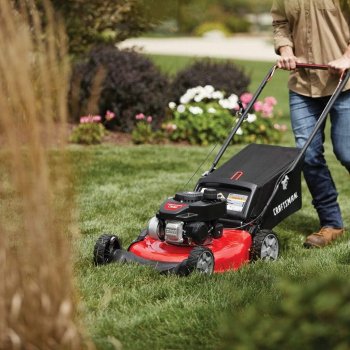
If you want one mower that can switch between feeding the lawn, cleaning it up, or powering through heavier growth, the Gas Powered Lawn Mower, 21-Inch 3-in-1 Mulching Push Mower with Bag, 140cc is built around a versatile 3-in-1 deck and a practical 21-inch cutting width.
Other in-stock picks
FAQ
Is a 140cc gas push mower enough for thick grass?
For routine mowing, a 140cc engine is generally sufficient, but results depend on grass height, moisture, blade sharpness, and how fast you walk. For thick growth, mow more frequently, slow your pace, and avoid cutting wet grass to reduce clumping and bogging.
When should mulching be avoided?
Avoid mulching when grass is very tall, wet, or overly dense because it can leave clumps and strain airflow under the deck. Bag or side-discharge first to bring the lawn back to a maintenance height, then return to mulching on the next cut.
How often should the blade be sharpened?
A practical guideline is every 20–25 mowing hours or a few times per season, depending on yard conditions. If you see torn, ragged tips or browning after mowing, the blade likely needs sharpening—disconnect the spark plug lead before any blade service.










Leave a comment