


StarBright vs StarBright XLT: What’s the Real Difference?

What is the difference between Celestron StarBright and XLT?
Answer
Celestron StarBright and StarBright XLT refer to different generations of optical coatings used on many Celestron telescopes (especially Schmidt-Cassegrains). The practical difference is light transmission: StarBright XLT is an upgraded coating package designed to pass more light through the corrector plate and improve reflectivity on the mirrors, producing a brighter image at the eyepiece compared with older StarBright coatings.
What “StarBright” means
“StarBright” is Celestron’s name for a set of enhanced coatings applied to key optical surfaces. In an SCT, light typically passes through the corrector plate (anti-reflection coatings) and reflects off the primary and secondary mirrors (reflective coatings). Each surface can introduce small losses, so better coatings help preserve brightness and contrast.
What “StarBright XLT” adds
StarBright XLT (often written as “XLT”) is a more advanced version of the StarBright coating system. It uses improved anti-reflection coatings on the corrector plate and higher-performance mirror coatings, aimed at increasing overall system transmission. The result is usually most noticeable on dimmer deep-sky targets (open clusters, galaxies, nebulae) where every bit of throughput helps.
How it affects real-world observing
For bright objects like the Moon and planets, the difference is often subtle because those targets already have plenty of light. However, XLT can still be beneficial: slightly brighter images can support higher magnifications under good seeing, and improved coatings can help maintain perceived contrast when you’re pushing the limits of your aperture.
For faint objects, XLT’s advantage is easier to appreciate. A modest gain in transmission can make star fields look a bit richer and can help bring out low-contrast details in nebulae or the outer halos of some galaxies—especially from darker skies.
Which should you choose?
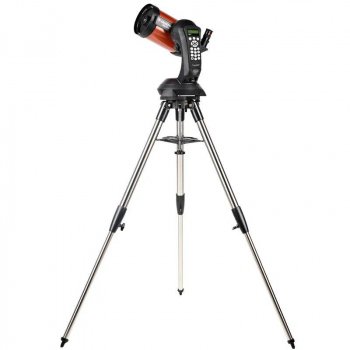
If you’re comparing two otherwise similar Celestron telescopes, StarBright XLT is generally the preferred option because it’s the newer, higher-throughput coating package. For a practical, telescope-specific look at performance and observing expectations, see the related guide here: https://splendena.com/guide-125mm-f10-goto-sct-starbright-xlt-observing-guide/.
FAQ
Does StarBright XLT make a noticeable difference for deep-sky objects?
It can, especially on faint targets where a small increase in light throughput helps. The improvement is typically more apparent under dark skies than under heavy light pollution.










Leave a comment