


Walking for Back Pain: When It Helps and When to Stop
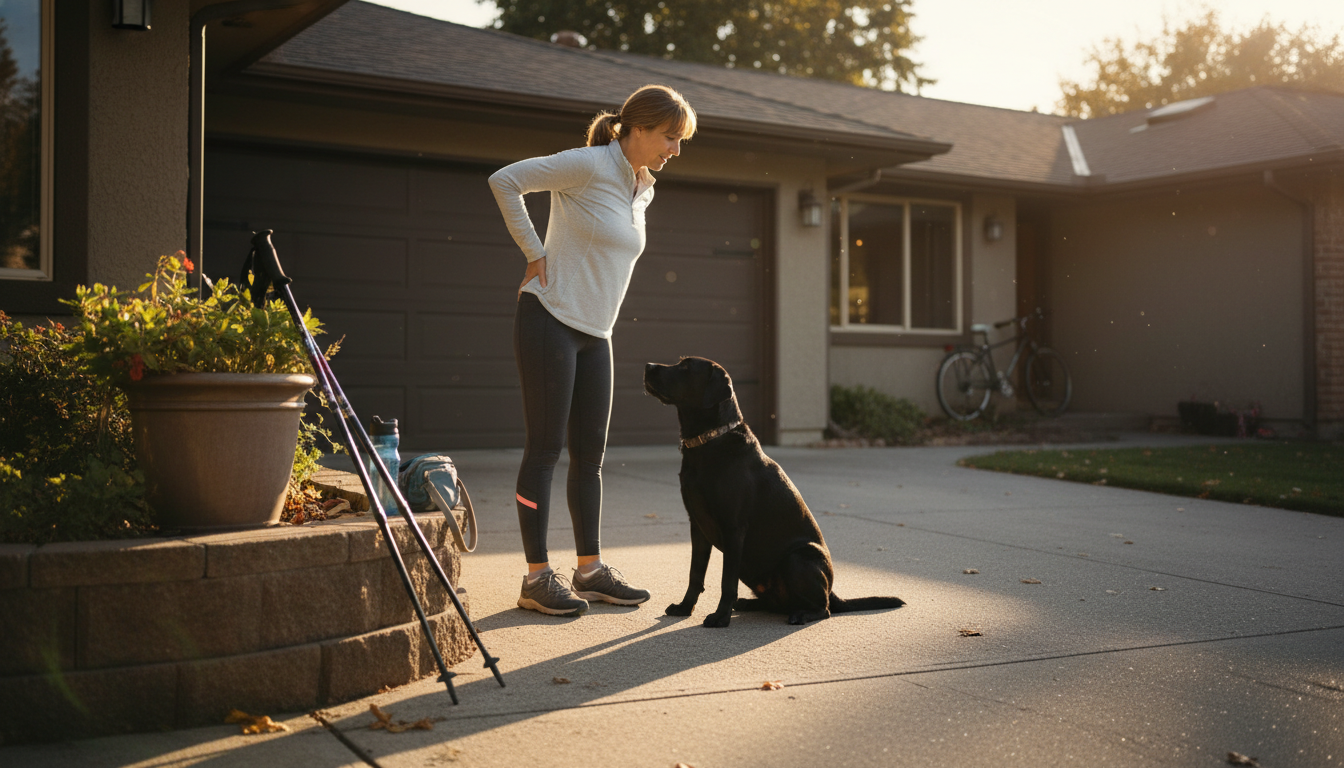
Does back pain get better with walking?
Often, yes. For many people, a steady walk reduces back pain by increasing blood flow, gently moving stiff joints, and helping tight muscles relax without heavy loading. Walking also encourages a more upright posture and engages core and hip muscles that support the spine.
That said, walking isn’t a cure-all. Back pain from an acute injury, a pinched nerve, or certain inflammatory conditions can flare with activity. A good rule: mild soreness that eases as you warm up is typically okay, but sharp, shooting, or worsening pain is a sign to stop and reassess.
How walking helps (and how to do it safely)
Walking can be especially helpful when back pain is driven by stiffness, prolonged sitting, or deconditioned support muscles. Start with a comfortable pace and keep steps short and smooth. Aim for 5–10 minutes, then build up gradually as symptoms allow.
- Posture check: Keep your ribs stacked over your hips, shoulders relaxed, and gaze forward.
- Even stride: Avoid overstriding, which can tug on the low back and hips.
- Surface matters: Choose level ground at first; save hills for later.
- Pain scale: Keep discomfort at a manageable level and make sure it settles within a few hours after walking.
For a simple plan that pairs walking with gentle, pain-friendly movement, follow this 10-minute daily mobility routine to support easier, more comfortable motion.
When walking may not be the right choice
Pause walking and get medical guidance if you have numbness or tingling down the leg, increasing weakness, loss of bowel or bladder control, fever, unexplained weight loss, or pain after a fall or accident. Also seek help if pain steadily worsens over a week despite lighter activity.
For Walking for Back Pain: When It Helps and When to Stop, the best answer depends on fit, material, care instructions, and how the product will be used day to day.
FAQ
What type of back pain is relieved by walking?
Walking tends to help mechanical back pain linked to stiffness, mild muscle tightness, and prolonged sitting. It’s often beneficial for nonspecific low back discomfort that improves with gentle movement and worsens with staying still.











Leave a comment