Slim Wallets That Hold Lots of Cards: Best Features
What is the slim wallet for lots of cards?
A slim wallet for lots of cards is a compact wallet designed to stay low-profile in a pocket or small bag while still offering high card capacity through smart interior organization. Instead of bulky folds, it relies on stacked card slots, slim dividers, and tight stitching so your essentials stay secure without adding thickness.
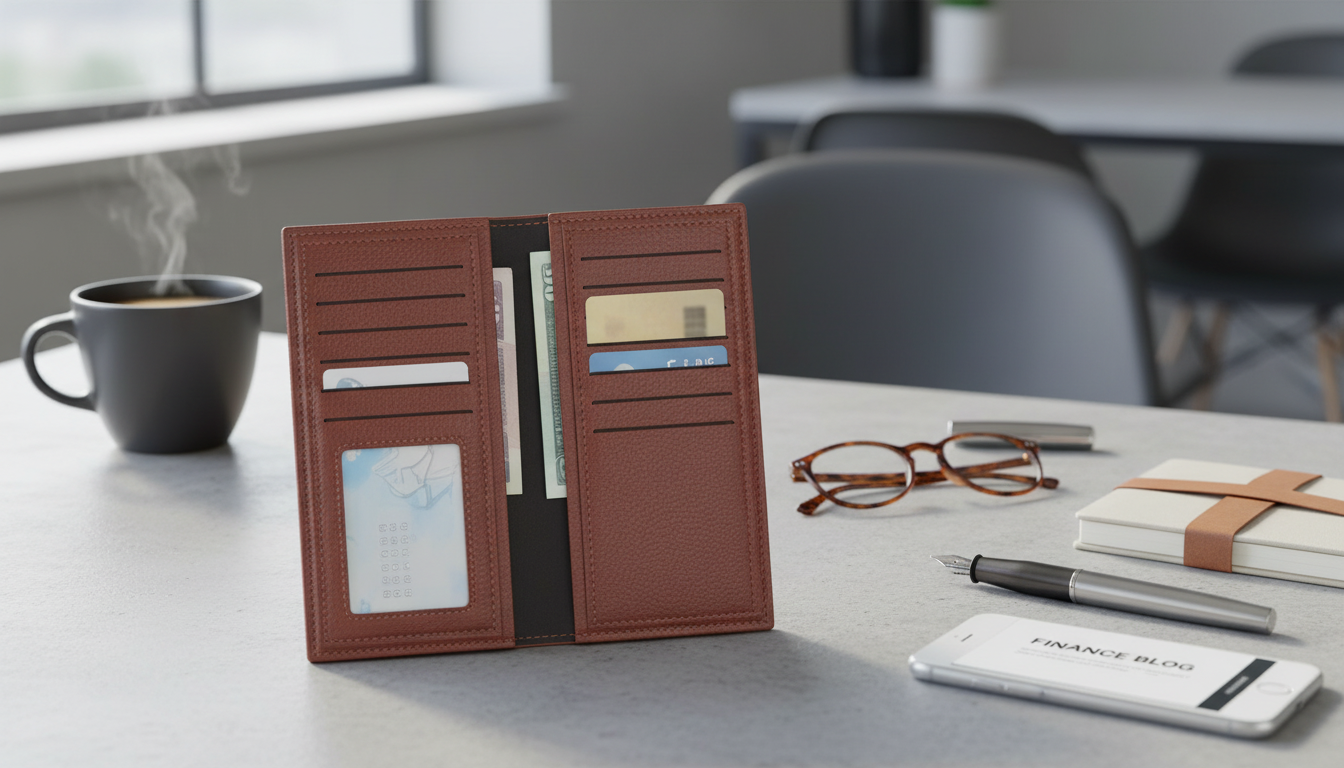
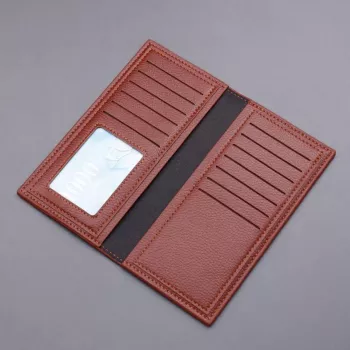
For shoppers who carry multiple credit cards, IDs, membership cards, and transit cards, the most practical “slim but holds a lot” option is often a long wallet or clutch-style slim wallet. Because it spreads storage lengthwise, it can include many card slots and an ID window while keeping a flatter silhouette than a traditional overstuffed bi-fold.
What features make it hold many cards without feeling bulky?
Capacity comes from layout, not puffiness. Look for multiple dedicated card slots (so cards don’t stack into one lump), an ID window for quick access, and a structured interior that prevents the wallet from ballooning as you add cards. A full-length design also helps distribute thickness evenly.
If coins are part of your daily carry, choose a slim wallet with a separate coin pocket or zip compartment. Keeping coins isolated avoids the “lumpy corner” problem that makes even a thin wallet feel bulky.
Is a long wallet or clutch still considered slim?
Yes—“slim” can describe thickness as much as overall size. A long wallet may be taller and wider than a small card holder, but it can remain sleek because it doesn’t need to fold into a thick stack. That makes it a strong choice for anyone who needs lots of card slots, an ID window, and room for cash without a stuffed look.
For a deeper breakdown of layouts to look for—like multiple card slots, an ID window, and a coin pocket—visit this guide to long wallets and clutches.
FAQ
What’s the difference between a card holder and a long wallet?
A card holder is usually the smallest option and carries fewer items, while a long wallet is designed to organize many cards plus cash and often coins. Long wallets typically add structure and slot count without forcing everything into one tight stack.








Leave a comment