


Do Dogs Sense a Baby Crying? Signs & Calm Tips
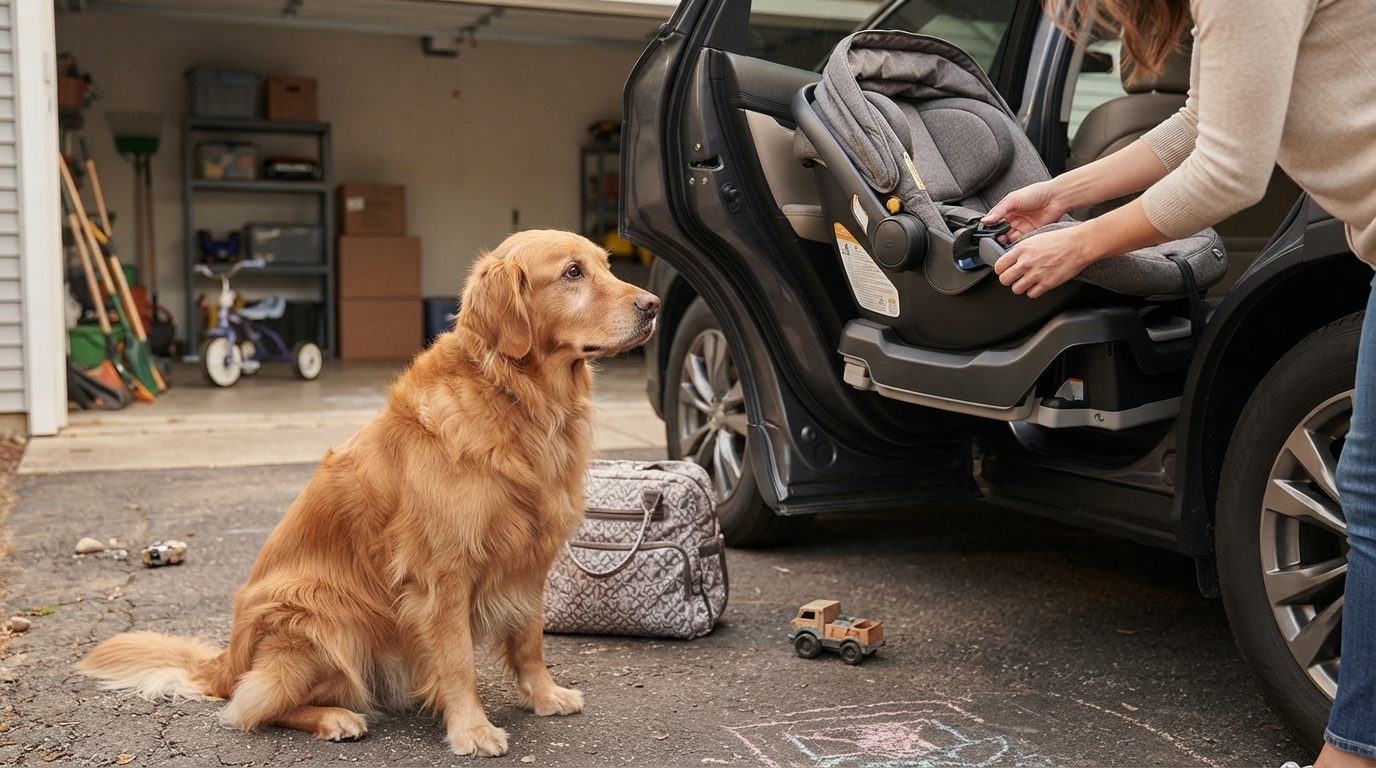
Do dogs sense babies crying?
Yes—most dogs can sense and react to a baby’s cry. Dogs hear higher frequencies and subtle changes in tone better than people, and crying often comes with a fast shift in the home’s energy (movement, urgency, scent changes, and caregiver stress). That combination can make a baby’s cry stand out as an important “something needs attention” signal.
How dogs typically respond to a baby’s cry
Every dog is different, but common reactions include alerting (running to the sound, barking, whining), checking on the baby, pacing, or shadowing the adult. Some dogs become still and watchful; others act excited because crying predicts activity—someone picks up the baby, walks around, or speaks in a higher voice. A well-socialized dog may show gentle concern, while a noise-sensitive dog may appear overwhelmed or try to avoid the room.
Why a cry can trigger strong behavior
Baby crying is sharp, repetitive, and unpredictable—features that can activate a dog’s startle response. Dogs also read human emotional cues, so a stressed or hurried caregiver can unintentionally amplify the dog’s arousal. If the dog associates crying with being corrected, pushed away, or losing access to attention, the sound may become a negative cue over time.
What to watch for and how to keep things calm
Look for signs of stress such as lip-licking, yawning when not tired, pinned ears, tucked tail, whale eye, stiff posture, or attempts to escape. If those show up, create distance and give the dog a safe, comfortable spot away from the noise. Reward calm behavior around everyday baby sounds and keep interactions supervised.
For step-by-step ways to introduce baby sounds, set up management tools, and build calm routines before your newborn arrives, see the full guide: Preparing Your Dog for a New Baby: Calm, Safe Steps.
FAQ
How can I help my dog stay calm around baby sounds?
Start with brief, low-volume baby sound exposure paired with treats, then gradually increase volume and duration while the dog remains relaxed. Use baby gates or a quiet “reset” area so your dog can choose distance instead of feeling trapped, and reinforce calm behaviors like settling on a mat.











Leave a comment