
Comfort Food Drink Pairings: 3-Step Cozy Guide
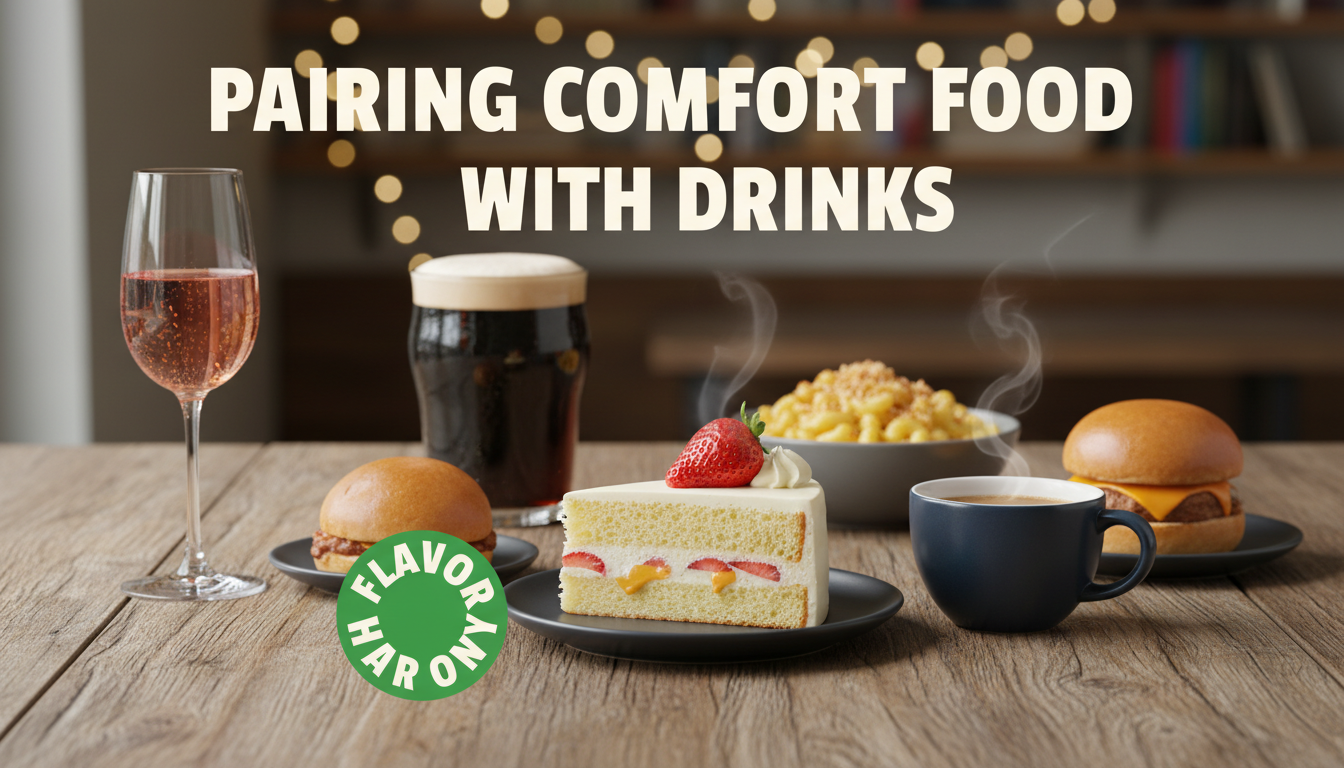
Pairing Comfort Food with Drinks: A Practical 3-Part System with Guides, eBooks & Checklists
Comfort food tastes even better when the drink is chosen with intention. The right pairing can balance richness, cut through fat, lift spice, and echo cozy flavors like caramel, smoke, and herbs. The goal isn’t to memorize rules—it’s to use a simple, repeatable method that works on a random Tuesday and also holds up when friends come over.
If you want a ready-to-use framework you can keep on hand, Pairing Comfort Food with Drinks: 3-in-1 Bundle of Guides, eBooks & Checklists organizes pairings into quick reference guides for everyday meals, deeper eBooks that explain the “why,” and checklists that make planning (and backup plans) painless.
What “food and drink pairing” means for comfort food
Pairing is simply choosing a beverage that makes the next bite taste better. With comfort food, that often means preventing “palate fatigue”—when rich, salty, or cheesy bites start to blur together.
- Match or contrast: Match similar flavor notes (like smoky BBQ with a vanilla-caramel bourbon) or contrast (like fried chicken with bright, bubbly acidity).
- Balance the big factors: richness, salt, sweetness, acidity, bitterness, carbonation, and heat.
- Think in outcomes: cleanse (acidity/bubbles), soften (a touch of sweetness), or amplify (aromatic echoes like herbs, spice, toast, or smoke).
- Comfort foods skew rich and savory: drinks that add acidity, bubbles, or bitterness often bring the best “reset.”
For deeper background on how structure (acid, tannin, sweetness) interacts with food, reputable guides like Wine Folly’s pairing basics and the Brewers Association pairing resources explain the same core idea: balance the plate, don’t overpower it.
The cozy pairing formula: richness + texture + temperature
When you don’t want to overthink it, use this three-part “cozy” formula. It’s fast, practical, and works across beer, wine, cocktails, and nonalcoholic options.
1) Richness
Creamy, cheesy, fried, buttery, and braised dishes love a counterweight. Look for carbonation (beer/sparkling), acidity (citrus, high-acid wine, shrubs), or bitterness (hops, amaro, coffee) to keep each bite tasting fresh.
2) Texture
Crunchy foods tend to shine with crisp, snappy drinks (bubbles, bright citrus, lively carbonation). Soft stews and braises usually feel best with rounder, fuller-bodied options that “sit” on the palate without tasting thin.
3) Temperature
Quick pairing map for popular comfort foods
| Comfort food | Best drink styles | Why it works | Easy swap if unavailable |
|---|---|---|---|
| Mac and cheese | Pilsner, sparkling cider, Champagne-style sparkling | Bubbles cut creamy richness; crispness resets the palate | Ginger ale or club soda with lemon |
| Fried chicken | Hoppy pale ale, dry sparkling wine, iced tea with citrus | Bitterness/acid cuts fat; carbonation keeps bites lively | Lemonade cut with seltzer |
| Burger and fries | Amber lager, cola-based highball, malty stout | Caramel/malt echoes browning; fizz handles salt and fat | Root beer or sparkling water + lime |
| Pizza | Chianti-style red, IPA, dry rosé | Acid handles tomato; hops/lift handle cheese | Cold brew tea + a squeeze of lemon |
| Chili | Off-dry Riesling, light lager, michelada | A touch of sweetness cools heat; light body stays refreshing | Cucumber-lime agua fresca |
| BBQ pulled pork | Bourbon cocktail, brown ale, smoked tea | Sweet/smoke echoes; moderate alcohol stands up to sauce | Apple cider (still or sparkling) |
| Meatloaf and mash | Merlot-style red, porter, black tea | Round body matches savory comfort; roasted notes align | Nonalcoholic stout or strong iced tea |
| Chocolate brownies | Stout, port-style dessert wine, cold brew coffee | Roast and cocoa echoes; sweetness balances bitterness | Chocolate milk or decaf coffee |
Pairing by drink type: fast rules that rarely fail
If you like experimenting with cocktails and “what to mix with what,” the drink guides on Serious Eats are a practical way to explore classic styles (highballs, sours, spritzes) that pair well with comfort food.
What’s inside the 3-in-1 bundle (guides, eBooks, checklists)
Bundle components and best moments to use them
| Component | Best for | Time needed | Typical outcome |
|---|---|---|---|
| Quick guides | Weeknight meals and last-minute choices | 2–5 minutes | A reliable pairing without overthinking |
| eBooks | Learning patterns and building a personal pairing style | 20–60 minutes | Confidence to improvise and swap |
| Checklists | Hosting, group menus, shopping, and backups | 5–15 minutes | Smooth planning with fewer missing pieces |
Use case: a “cozy pairing station” for movie night
Set out one comfort dish, one main drink match, one low/no-alcohol alternative, and one palate cleanser. Example: pepperoni pizza + dry rosé; a second option of lemon-seltzer with a pinch of salt; and a simple bowl of pickles or citrus wedges to brighten between slices. When you want a plug-and-play version of this planning style, Pairing Comfort Food with Drinks: 3-in-1 Bundle of Guides, eBooks & Checklists keeps the choices organized so the table feels intentional without being fussy.
Building a comfort-food pairing night (simple menu templates)
For hosts planning a later night, consider next-day comfort, too. A simple self-care add-on like Naturally Awake: Puffy Eye Solutions – Natural Remedies for Puffy Eyes Guide can be a handy companion to any evening that runs long.
FAQ
What are the three C’s of pairing Guinness with food?
The three C’s are commonly taught as complement, contrast, and cut (or cleanse). Guinness can complement stews with roasted malt notes, contrast spicy wings with smooth creaminess, and cut through fried foods by refreshing the palate between bites.
What is food and drink pairing?
Food and drink pairing is choosing a beverage that balances and/or echoes a dish’s flavors and structure. It usually comes down to matching or contrasting key elements like acidity, sweetness, bitterness, carbonation, and alcohol so the combination tastes more complete.
What is food and beverage pairing?
Food and beverage pairing is the same idea as food and drink pairing: selecting beer, wine, cocktails, or nonalcoholic drinks that make the food taste better. With comfort food, the best results often come from adding lift—bubbles, acidity, or a measured bitterness—to counter richness.










Leave a comment