Electric Massage Comb: Red/Blue Light, Vibration & Ion Mist
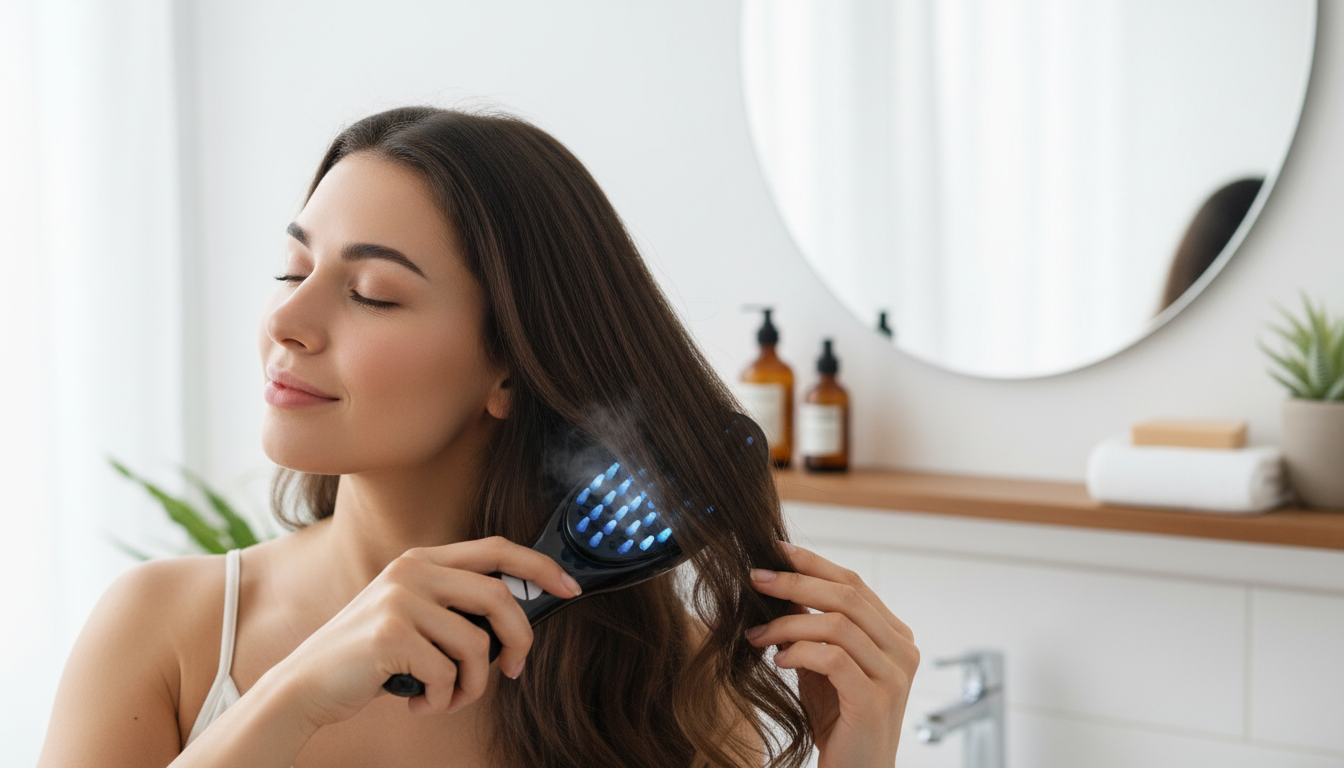
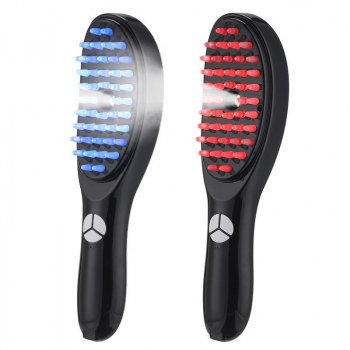
Electric Massage Comb with Red & Blue Light Therapy, Vibration, and Negative Ion Spray
An electric massage comb that pairs scalp stimulation with targeted light and a fine mist can fit easily into a daily routine for thicker-looking, healthier-feeling hair. The idea is simple: you comb as usual, but the device adds low-level red/blue light modes, gentle vibration, and a negative ion spray that can make hair feel smoother and easier to manage. Below is a practical guide to how these features work together, what results are realistic, and how to use the device safely and consistently.
What This Device Does in a Daily Hair Routine
This is a “comb-and-treat” tool designed to move across the scalp and hairline while delivering light, vibration, and a light mist. Instead of adding multiple steps (separate scalp massager, separate sprayer, separate light device), it consolidates them into one pass-through motion that’s easy to repeat regularly.
- Red light mode is commonly used for scalp-support routines aimed at improving the look of density over time, especially when paired with consistent habits.
- Blue light mode is often chosen for a fresher scalp feel, particularly for oil-prone or buildup-prone scalps.
- Vibration supports scalp stimulation and can help distribute the spray more evenly as the comb moves.
- Negative ion spray is intended to reduce static and help hair feel smoother while adding light hydration (without the heaviness of oils).
How Light Therapy, Vibration, and Ion Spray Work Together
When used as a routine (not a one-off), the features can complement each other:
- Light therapy: Low-level light is used in many consumer scalp devices. Any benefit typically depends on steady use over weeks to months, rather than intense or occasional sessions. For background on low-level laser/light approaches, see the Cleveland Clinic’s overview of low-level laser therapy (LLLT) and research summaries available through NIH (PubMed Central).
- Scalp stimulation: Vibration can encourage a relaxed scalp feel and may complement topical routines by improving contact as you move the comb methodically across sections.
- Mist + ions: A fine spray can make combing gentler on dry hair and help reduce flyaways. Negative ions are commonly marketed for anti-static and smoother-looking strands.
- Best pairing: Light therapy is typically used on a clean, dry or lightly misted scalp. Heavy oils, dry shampoo, or styling buildup can reduce scalp contact and may limit how “direct” the session feels.
Modes at a Glance
| Feature | Typical purpose | When to use |
|---|---|---|
| Red light | Scalp support for fuller-looking hair over time | After cleansing; consistent sessions |
| Blue light | Scalp comfort and a fresher feel | On oily-prone days or after workouts |
| Vibration | Scalp stimulation and relaxation | Any session; keep pressure light |
| Negative ion spray | Reduce static, add light hydration | Before/while combing; avoid soaking roots |
Who It’s Best For (and Who Should Skip It)
This type of device is best viewed as a supportive tool—useful for consistency and comfort—rather than a guaranteed fix.
- Good fit for: early thinning concerns, seasonal shedding support routines, scalp tightness/stress relief, and anyone who wants a quick add-on step after washing.
- Helpful for styling comfort: dry, staticky hair that tangles easily can feel smoother with a light mist during combing, which may reduce rough detangling.
- Not ideal as a stand-alone fix for advanced hair loss: devices can support a routine, but significant thinning often needs medical evaluation to identify the cause.
- Skip or ask a clinician first if: there is a scalp infection, open sores, unexplained pain, recent scalp procedures, or light-sensitivity conditions/medications.
For guidance on when shedding or thinning should be evaluated, the American Academy of Dermatology offers a helpful overview on hair loss and when to see a dermatologist.
How to Use It for Consistent Results
Better results usually come from steady, comfortable sessions—not aggressive pressure or overuse.
- Start with a clean scalp when possible: If you have heavy product buildup, consider cleansing first so the comb teeth can contact the scalp comfortably.
- Use gentle pressure: Let the vibration and comb teeth do the work. Pressing hard can irritate the scalp and make sessions harder to keep up long-term.
- Move methodically: Front hairline → crown → sides → back. Spend a few seconds per area to keep coverage even rather than rushing and repeating the same spot.
- If using the spray: Aim for a light mist over hair lengths and near the scalp without saturating. If you see dripping, wipe away excess so skin doesn’t stay damp.
- Track consistency: A simple schedule and monthly photos in the same lighting can help you judge subtle changes (especially with density and hairline areas).
What Results Are Realistic and How Long It Can Take
Realistic expectations help you stay consistent and avoid overdoing it. Timelines vary widely based on the reason for shedding, baseline scalp condition, and whether the routine is actually repeated week after week.
Care, Cleaning, and Safety Tips
Product Snapshot
If you want an easy, at-home tool that combines light modes, vibration, and a fine mist in one step, consider the Electric Massage Comb with Red & Blue Light Therapy for Hair Growth, Vibration, and Negative Ion Spray.
For a simple self-care add-on that complements a “routine mindset” (sleep, hydration, stress management, and consistent habits), you may also like Naturally Awake: Puffy Eye Solutions – Natural Remedies for Puffy Eyes Guide.
FAQ
Does electric comb work for hair growth?
An electric comb can support a hair routine by improving scalp comfort and helping you stay consistent with light- and massage-based sessions, which may improve the look of fullness over time. Results depend heavily on the cause of thinning, and sudden or significant hair loss should be evaluated by a clinician rather than relying on a device alone.






Leave a comment