


2-Gallon Stainless Steel Hand Pump Sprayer: Gauge & Nozzle
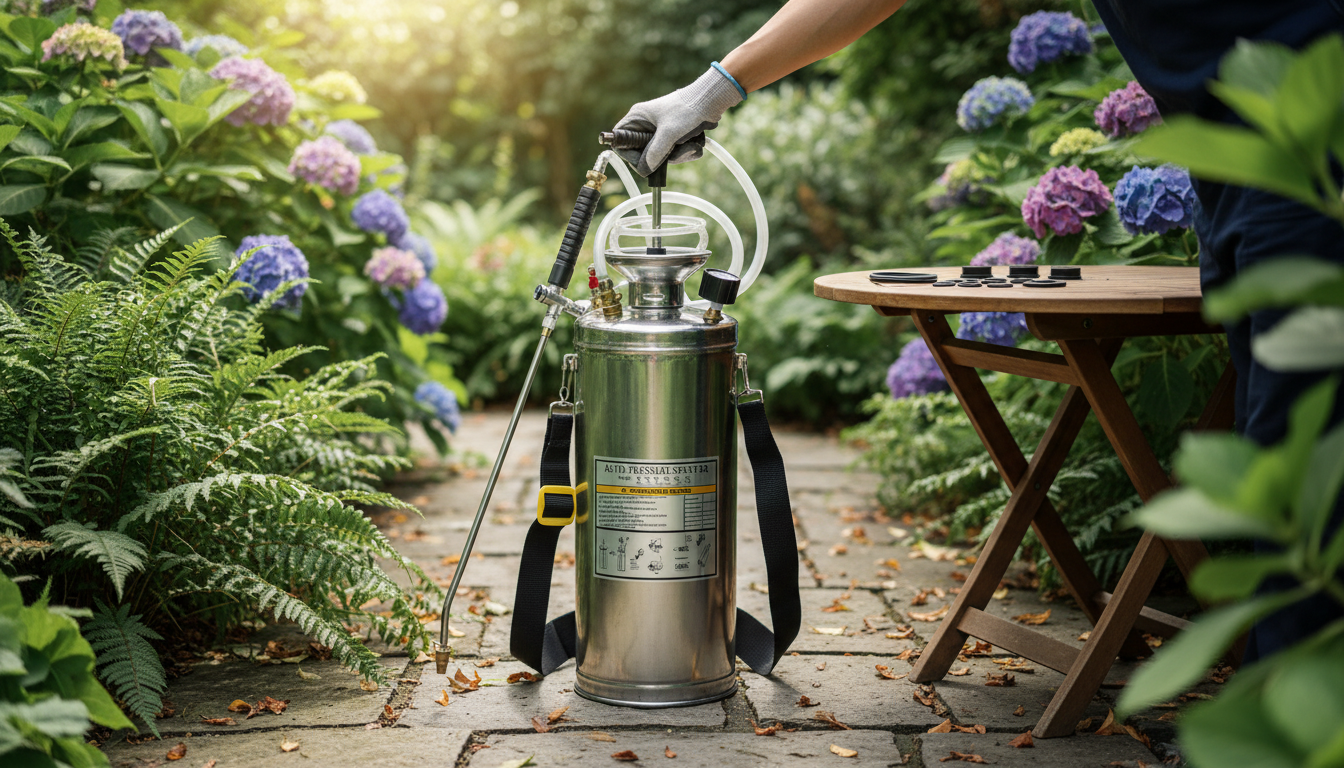
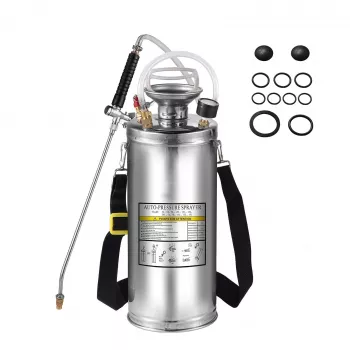
2-Gallon Stainless-steel Hand Pump Sprayer with Adjustable Nozzle & Pressure Gauge
A stainless-steel hand pump sprayer built for steady pressure, consistent coverage, and easy control. With a 2-gallon capacity, adjustable nozzle, and an on-tank pressure gauge, it suits home, garden, and light commercial tasks where durability and repeatable results matter.
If you want a portable sprayer that doesn’t rely on outlets, batteries, or noisy motors, a manual pump design keeps things simple: fill, pressurize, spray, and top up pressure when the gauge drops. For shoppers comparing long-term value, the stainless-steel tank also brings a sturdier feel for routine handling around garages, patios, sheds, and workspaces.
What This Sprayer Is Designed to Do
This style of sprayer focuses on consistent, controlled application—especially useful when you want even coverage rather than high-volume blasting.
- Delivers pressurized spraying without electricity for portable, anywhere use
- Supports controlled application for plants, surfaces, and outdoor projects that benefit from even coverage
- Stainless-steel tank helps resist dents and wear compared with many plastic tanks
- Pressure gauge helps monitor and maintain a consistent spray pattern over time
Key Features That Affect Day-to-Day Use
Small design details make a noticeable difference once you’re walking rows of plants, spraying along a fence line, or treating patches around a patio.
- 2-gallon tank capacity: balances runtime and carry weight for typical yard and home jobs
- Adjustable nozzle: switch between wider coverage and more focused spraying as needed
- Pressure gauge: reduces guesswork by showing when to re-pressurize for consistent output
- Hand pump design: simple operation and fewer parts that require power or batteries
- Stainless-steel construction: easier to clean after many solutions and more durable for frequent handling
For precision work—like spot treatments near landscaping, edges of walkways, or targeted cleaning—the gauge and nozzle combo helps you keep output steady and avoid sudden changes in spray pattern.
Specifications and At-a-Glance Details
Use the table below to quickly compare capacity, construction, and control features before choosing a sprayer for a specific task.
| Feature | Detail |
|---|---|
| Tank capacity | 2 gallons |
| Tank material | Stainless steel |
| Pressurization | Manual hand pump |
| Spray control | Adjustable nozzle |
| Pressure monitoring | Built-in pressure gauge |
| Availability | In stock |
Where It Works Best (Common Uses)
A 2-gallon pressurized sprayer hits a practical middle ground: enough volume for steady progress, but still manageable to carry and reposition.
- Garden care: spot-treating weeds, applying plant-safe solutions, and watering delicate areas with controlled flow
- Outdoor cleaning: wetting surfaces before scrubbing, applying cleaners where a hose is inconvenient
- Auto and equipment tasks: misting degreasers or rinseless-wash solutions (use only products intended for sprayers)
- Pest control applications: when using labeled products, the gauge helps keep pressure within a predictable range
- Workshop and household projects: applying solutions to surfaces where accuracy matters more than high volume
When you’re working around plants, pets, painted surfaces, or porous stone, consistent pressure and predictable spray patterns can help reduce over-application and missed areas.
How to Use It for Consistent Results
Getting uniform coverage is mostly about preparation, steady technique, and using the pressure gauge as a real-time guide.
- Inspect seals and fittings before filling; ensure the lid is seated properly.
- Fill only with compatible solutions; avoid anything that the chemical label warns against using in pressurized sprayers.
- Pump to build pressure and confirm the gauge indicates working pressure before spraying.
- Test the spray on a safe area first, then adjust the nozzle for mist vs. stream based on the job.
- Maintain a steady wand distance and walking pace for even coverage; re-pressurize when the gauge drops.
When switching from broad application to detail work (like corners, seams, or edging), a quick nozzle adjustment can help you avoid overspray while keeping the same solution and tank.
Care, Cleaning, and Storage
Cleaning matters as much for performance as it does for safety—especially if you use solutions that can dry into residue or leave odors behind.
- After each use, depressurize fully before opening and emptying the tank.
- Rinse the tank and run clean water through the nozzle and wand to reduce clogs and residue buildup.
- For strong-smelling or oily solutions, follow product instructions for neutralizing and flushing the sprayer.
- Dry and store with the lid slightly loosened (if recommended by the manufacturer) to reduce odor and moisture retention.
- Periodically check the nozzle for debris and inspect gaskets for wear to prevent leaks.
A quick post-job rinse is usually faster than trying to clear a clogged nozzle later—especially after solutions that can crystallize or thicken as they dry.
Safety Notes for Pressurized Sprayers
For pesticide-related applications, rely on official guidance for safe handling and label compliance. Helpful references include U.S. EPA — Read the Label First and CDC/NIOSH — Pesticide Safety.
Featured In-Stock Items
- 2-Gallon Stainless-steel Hand Pump Sprayer with Adjustable Nozzle & Pressure Gauge
- 100W USB-C to USB-C Fast Charging Cable with PD 3.0 & QC 4.0 – 5A Power
- Cotton Sleeping Bag Liner
FAQ
What is the pressure gauge used for on a hand pump sprayer?
It shows whether the tank is pressurized enough to maintain a steady spray pattern and helps you know when to pump again. It also helps you avoid over-pressurizing by giving clear feedback while you work.
Can a stainless-steel sprayer be used with any cleaner or pesticide?
No—always follow the chemical label and the sprayer’s guidance, since some products can still damage seals or internal components even if the tank is stainless steel. Rinse the sprayer after use and never combine chemicals unless the labels explicitly permit mixing.
How should the sprayer be cleaned after use?
Depressurize first, then empty the tank, rinse it, and flush clean water through the wand and nozzle. Let parts dry before storage, and check the nozzle and gaskets periodically to prevent clogs and leaks.










Leave a comment