


High-Impact Sports Bra Top: Stretchy Gym & Yoga Fit
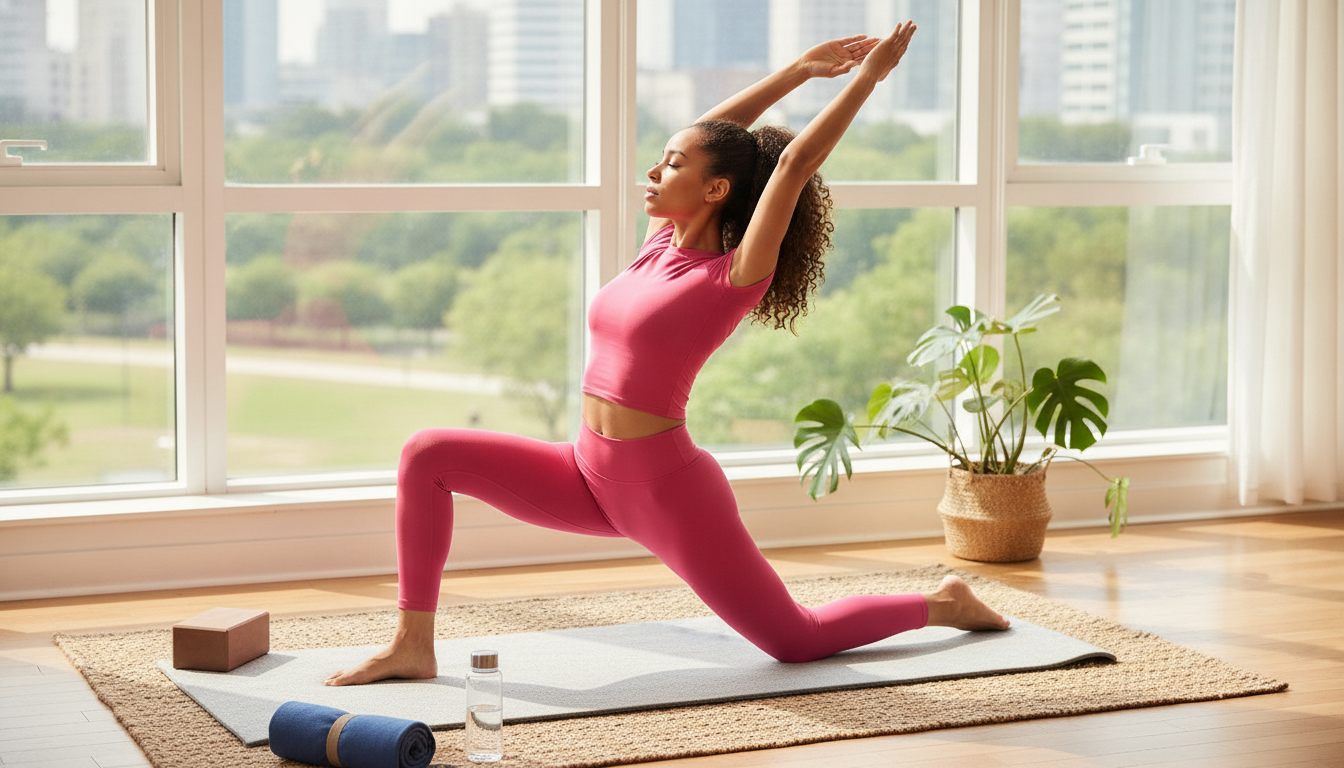
High Impact Women’s Sports Bra Top – Stretchy Gym & Yoga Fitness Shirt
A high-impact sports bra top that feels like a streamlined fitness shirt can simplify training days: supportive enough for dynamic movement, smooth enough to wear on its own, and stretchy enough to breathe through lifts, sprints, and flow work. The right bra-top hybrid reduces fussing with layers while delivering the stability you need for high-output sessions. Below is a practical guide to dialing in fit, support, and comfort so it performs across gym training, yoga, and everyday active wear.
What Makes a High-Impact Bra Top Different
High-impact support is built around bounce control and stability during running, jumping, HIIT, and court sports. Compared with lighter studio styles, a high-impact design aims to keep motion contained so you can focus on pace, form, and breathing rather than readjusting between intervals.
A bra-top silhouette also adds torso coverage, which can reduce the need for layering without sacrificing a clean, athletic look. That extra length can feel more secure during overhead presses, pull-ups, and inverted positions.
Stretch and recovery matter just as much as initial compression. The fabric should expand easily for deep inhales and full range of motion, then snap back after repeated movement and washes so support doesn’t fade mid-season.
Finally, details like wide straps and a stable underband help distribute pressure and reduce strap digging during longer workouts.
Support, Coverage, and Comfort: A Quick Fit Guide
Start with the underband, since band fit drives most of the support. It should feel snug on the loosest comfortable setting and stay level when you lift your arms overhead.
Next, check cup and coverage. Look for no spillover at the top or sides, and if the design includes a defined front panel, the center front should sit flat against your body.
Before committing, do a simple move-test: jog in place, perform jumping jacks, then take a deep inhale. Support should stay steady without limiting breathing or creating sharp pressure at the ribs.
Don’t skip the chafe check. Seams and edges should lie flat, and the underarm area should feel smooth—especially important for rowing, swinging kettlebells, and longer runs.
If you’re between sizes, choose based on priority: size down for firmer support, or size up for more comfort and torso length.
Activity-to-Support Match (Use as a starting point)
| Workout Type | What to Prioritize | Fit Check |
|---|---|---|
| Running / HIIT | Maximum stability, secure underband, minimal bounce | Band stays in place; straps don’t slip; no vertical bounce on jumps |
| Strength training | Comfort + secure range of motion | No pinching at ribs; full shoulder mobility; fabric recovers after reps |
| Yoga / Pilates | Stretch, smooth feel, non-restrictive breathing | No rolling at the band in forward folds; no gaping in twists |
| Everyday wear | Softness, coverage, easy layering | Comfort while sitting; no digging; stays opaque under light |
Fabric Stretch and Breathability That Holds Up
Performance comes from balance: enough elasticity to move freely, plus enough structure that the top doesn’t feel flimsy at higher intensity. A supportive knit with reliable recovery helps the garment keep its shape through sprints, burpees, and repeated wash cycles.
Moisture handling is key for comfort. Fast-drying fabric reduces that heavy, damp feeling during intervals and in hot studios, and it can help minimize irritation from prolonged wetness against the skin. For general guidance on athletic clothing selection and use, see ACSM’s athletic clothing and equipment tips.
Opacity also matters when you plan to wear a bra top as a standalone shirt. A denser knit is less likely to go sheer in bends, twists, and squats—especially under brighter gym lighting.
For longer sessions, prioritize a smooth interior feel and flat edges that reduce friction, particularly around the underarms and along the underband.
Sizing and Adjustments: Getting a Secure, Not Suffocating Fit
Use a quick reference point: measure or compare against a current bra that fits well, paying special attention to band snugness. If the underband is doing its job, straps can stay supportive without carrying all the load.
For additional guidance on choosing the right level of support, Cleveland Clinic’s sports bra support overview is a helpful reference.
Style and Versatility: Wearing It Beyond the Gym
Care Tips to Keep Support and Stretch
Air drying helps protect stretch fibers; high heat can weaken elasticity and reduce long-term support. If you train frequently, rotating between tops gives elastic fibers time to recover between hard sessions. For general exercise-related skin and clothing care guidance, MedlinePlus is a useful starting point: MedlinePlus (Health Information).
Product Spotlight
If you want one piece that feels streamlined like a fitted top but performs like a true high-support bra, start here: High Impact Women’s Sports Bra Top – Stretchy Gym & Yoga Fitness Shirt. It’s a strong match for high-intensity classes, running intervals, lifting days, and studio sessions where a secure, one-piece option is preferred.
- Cotton Sleeping Bag Liner for comfortable overnights, recovery weekends, or gym-to-getaway packing.
- 100W USB-C to USB-C Fast Charging Cable with PD 3.0 & QC 4.0 – 5A Power to keep a phone, headphones, or compatible devices charged on the go.
FAQ
How tight should a high-impact sports bra top feel?
It should feel snug enough that the underband stays level and bounce is controlled during jumps, but not so tight that breathing feels restricted at rest or the edges dig in.
Can a high-impact bra top work for yoga and Pilates?
Yes—if the fabric stretches comfortably and the band doesn’t roll during folds and twists. For longer breath-focused sessions, some people prefer a slightly less compressive fit.
How do you wash a sports bra top without losing elasticity?
Use cold water on a gentle cycle, avoid fabric softener, and air dry when possible. Heat and softeners can reduce stretch recovery and moisture-wicking performance over time.










Leave a comment