

Wool vs Down: Which Is Warmer for Winter Coats?
Is wool or down warmer for a winter coat?
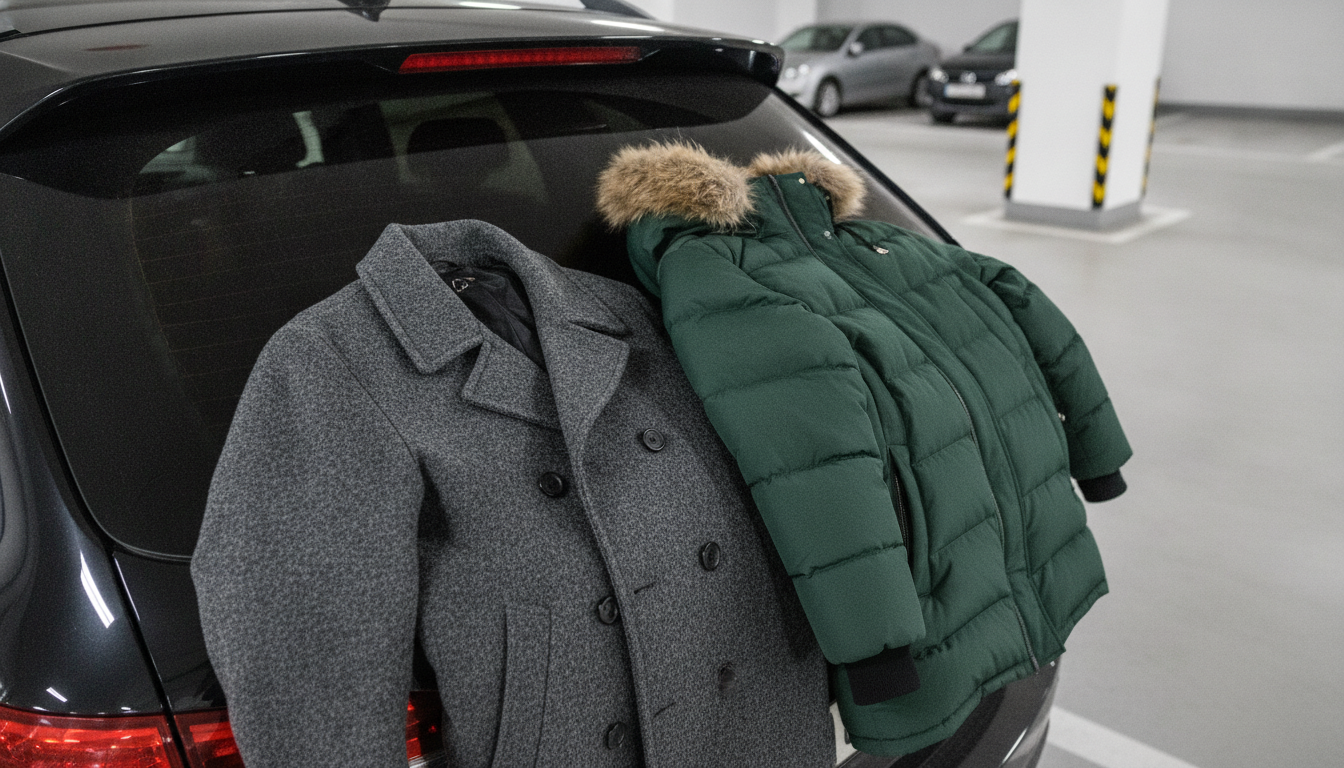
Down is usually warmer than wool for the same weight because it traps more air. High-quality down (especially higher fill power, like 650–900) creates a lofty layer of insulation that holds heat efficiently without feeling heavy. If maximum warmth-to-weight is the goal—think very cold, dry days—down typically wins.
When down is the warmer pick
Down excels in cold, low-humidity conditions because its loft stays puffed up and forms a strong thermal barrier. A well-built down parka with a wind-resistant shell can feel exceptionally warm even when it’s lightweight. Down also packs down small, making it convenient for travel or layering in a bag.
When wool can feel warmer (or work better)
Wool can outperform down in damp, changeable weather. Wool fibers retain warmth even when they’re wet, and wool coats often block wind well due to dense weaving. If the forecast includes wet snow, sleet, or drizzle—and you don’t want to baby your outerwear—wool may keep you more comfortable overall, even if it’s heavier than down for equivalent insulation.
The real-world deciding factors
Warmth depends on more than insulation type. A down coat with poor wind protection, wide cuffs, or a leaky zipper can lose heat fast. Likewise, a wool coat with a thin lining may look substantial but won’t insulate as much as a properly filled puffer. For city wear, wool often pairs well with layers; for deep winter cold, down parkas shine—especially with a hood, storm flap, and snug cuffs.
Quick picking guide
Choose down for the coldest, driest conditions and the best warmth without bulk. Choose wool when precipitation, durability, and a structured, everyday look matter—and plan to layer underneath for serious cold.
For a broader breakdown of insulating materials and what to look for in cold-weather outerwear, see this guide to the warmest fabrics for coats.
FAQ
What’s the difference between fill power and fill weight in a down coat?
Fill power measures how much the down lofts (higher numbers generally mean warmer per ounce), while fill weight is how much down is used. A very warm coat usually balances both: high fill power plus enough fill weight for the intended temperature.










Leave a comment