

Best Car Dimensions for Tight City Parking Spots
What car dimensions matter most for city parking in tight spaces?
In dense urban areas, the dimensions that make the biggest difference are overall length, overall width (especially with mirrors), and turning circle. These measurements determine whether you can fit into short curb spots, slip into narrow garages, and maneuver into position without multiple back-and-forth corrections.
Overall length: the “will it fit?” number
Length is the first filter for tight curbside parking. A shorter car can claim compact spaces others have to pass up and usually needs less clearance at both ends to complete a parallel park. If street spots in your neighborhood are routinely “just a little too short,” trimming even a foot of length can change your daily experience.
Overall width: doors, lanes, and garage squeeze points
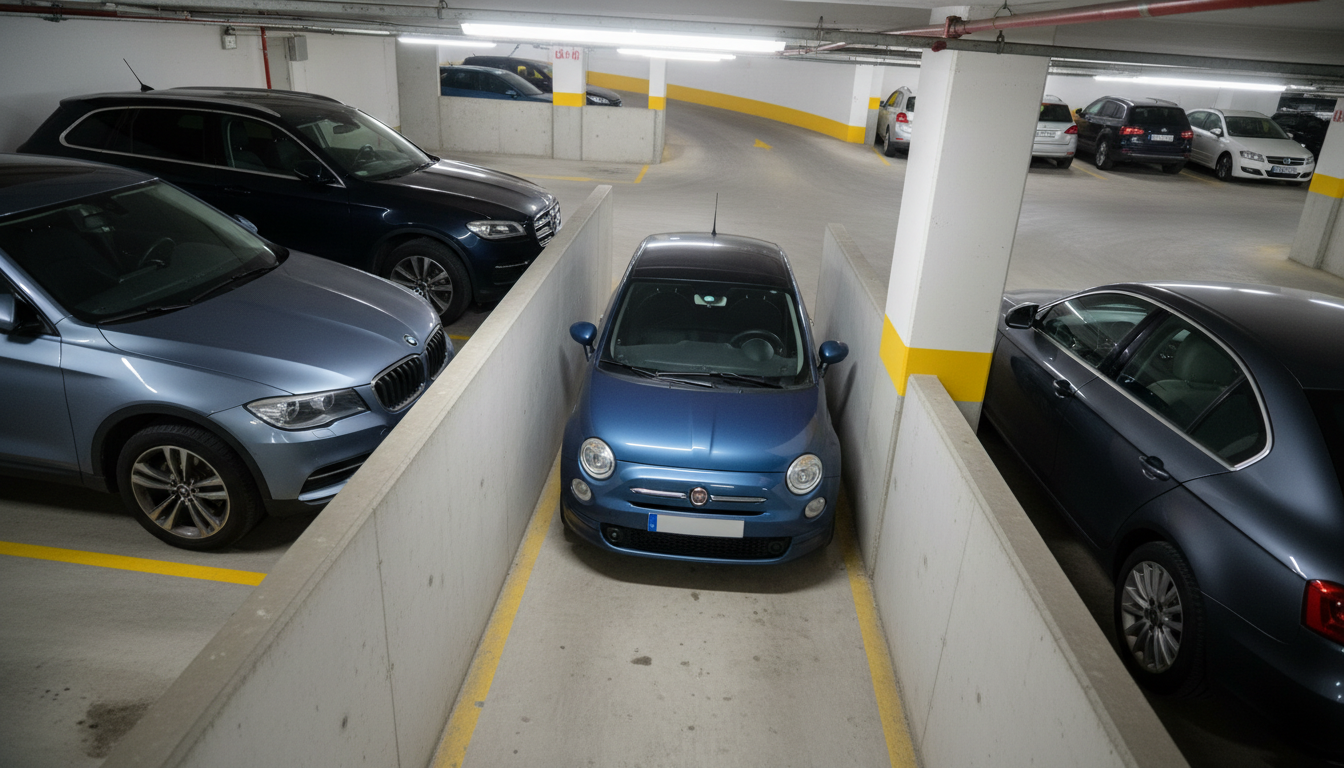
Width affects far more than fitting between painted lines. In city parking, the real-world pinch points are garage pillars, tight ramps, and the ability to open doors without door-dinging the car next to you. Pay close attention to width with mirrors folded out versus folded in—mirrors are often the widest part of the vehicle and can be the difference between a comfortable clearance and a stressful inch-by-inch approach.
Turning circle: the dimension you feel every day
A small turning circle (sometimes listed as turning diameter) helps when you’re swinging into a spot on a narrow street, navigating cramped garage switchbacks, or recovering from a slightly off-angle approach. Two cars might be similar in length, but the one with a tighter turning circle will typically park with fewer corrections.
Overhangs and wheelbase: why some cars “park bigger” than they look
Front and rear overhangs (the distance from the wheels to the bumpers) influence how easily you can clear curbs, avoid scraping, and pivot into a space. Wheelbase impacts how the car rotates when you steer; a shorter wheelbase often feels more nimble in close quarters, even if the overall length difference is modest.
Height matters when garages are involved
If you rely on covered parking, vehicle height becomes crucial for low-clearance garages and older structures. Roof racks and antennas can turn a borderline fit into an expensive mistake.
For a deeper breakdown and practical tips on comparing models, visit https://splendena.com/what-car-dimensions-matter-most-for-city-parking-in-tight-spaces/.
FAQ
How do I measure my parking space to know if my car will fit?
Measure the usable length and width between obstacles (curb cuts, pillars, walls), then compare those numbers to your car’s length and width with mirrors. Leave extra buffer for pulling in at an angle and for opening doors comfortably.











Leave a comment