


Silver Investing for Beginners: Pros, Risks, and How to Start
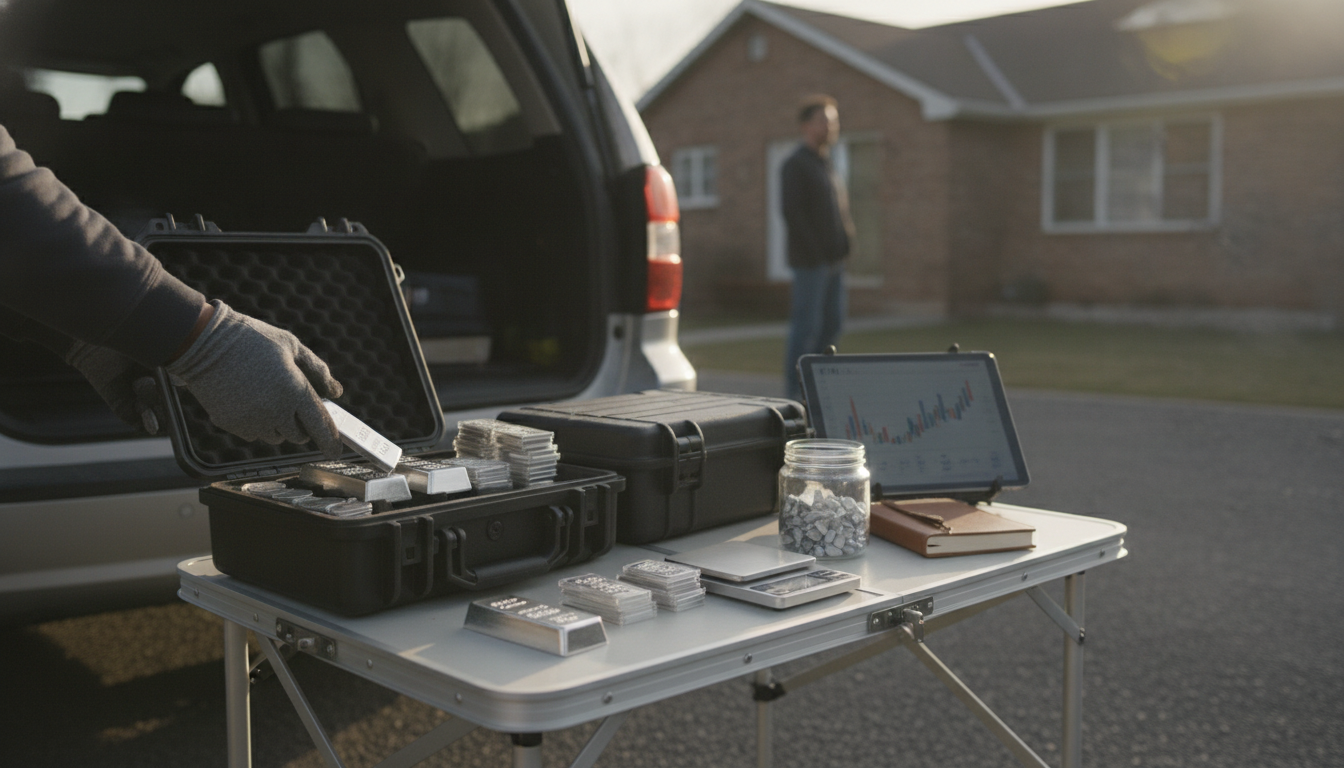
Is silver a good investment for beginners?
Silver can be a good investment for beginners when it’s treated as a small, long-term diversifier rather than a quick way to make money. It’s generally more affordable per ounce than gold, which can make it easier to start with modest amounts and learn how precious metals pricing works. Silver also has real-world industrial demand (electronics, solar, medical uses), which can influence prices differently than purely “store of value” assets.
What makes silver beginner-friendly?
The low barrier to entry is the biggest advantage. Beginners can buy a single ounce, a small stack of rounds, or a few government-minted coins without committing a large sum. Silver is also widely recognized and easy to compare across reputable dealers, especially when focusing on standard bullion products with clear purity markings (commonly .999 fine).
What are the risks beginners should know?
Silver prices can swing sharply, sometimes more than gold, so short-term performance can be unpredictable. Physical silver also comes with extra frictions: dealer premiums over spot price, possible shipping costs, and the need for safe storage (a home safe or a secure storage option). If selling quickly, buyback prices may be lower than expected, especially for high-premium items.
How can beginners start more safely?
A practical approach is to keep silver as a limited slice of a broader plan and focus on easy-to-sell formats such as widely traded coins and basic bullion bars/rounds. Buying gradually over time can reduce the stress of trying to “time” the market. For deeper guidance on choosing products, balancing risks, and common beginner mistakes, read the full guide here: https://splendena.com/is-a-good-investment-for-beginners/.
FAQ
What’s the difference between buying physical silver and a silver ETF?
Physical silver gives direct ownership but adds storage and resale considerations. A silver ETF is easier to buy and sell through a brokerage, but it doesn’t provide in-hand metal and may involve ongoing fees and market-trading risks.












Leave a comment