

Engine Overheating: How Quickly Damage Can Happen
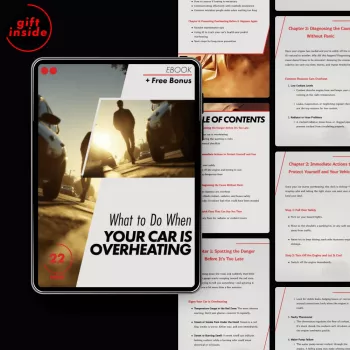
How long does it take to damage an engine from overheating?
Engine damage from overheating can happen in minutes. In mild overheating (a gauge creeping above normal), you may have some time to pull over safely. But once temperatures spike into the red zone—or you see steam, smell coolant, or get an “engine hot” warning—serious damage can begin very quickly, especially if you keep driving or idling under load.
What happens first when an engine overheats
Overheating typically starts by stressing fluids and seals. Coolant can boil over, hoses can soften, and pressure can push coolant out of the system. As coolant level drops, temperatures rise even faster, and the engine loses its ability to regulate heat. At this stage, stopping early can mean the difference between a simple repair and an engine teardown.
How fast major damage can occur
Once the engine is severely overheated, damage can occur within 5–15 minutes (sometimes sooner) depending on the vehicle, outside temperature, and how hard the engine is working. Common failures include a blown head gasket, warped cylinder head, or cracked components. Aluminum heads are especially vulnerable to warping from rapid heat spikes, and continuing to drive can turn a gasket leak into internal coolant/oil mixing or compression loss.
Signs you’re in the “stop now” zone
Pull over and shut down as soon as it’s safe if you notice the temperature needle pegged hot, a flashing temperature light, steam from under the hood, knocking/pinging, loss of power, or coolant dumping onto the ground. Driving “just a little farther” is where minor overheating often becomes major engine damage.
What to do immediately
Safely get off the road, turn off the A/C, and shut the engine down if the temperature is dangerously high. Let the car cool before checking anything—never open a hot radiator cap. For a step-by-step, safety-first walkthrough, see what to do immediately when your car overheats.
FAQ
Can you drive a car that is overheating?
It’s risky and often leads to rapid engine damage, especially if the temperature is in the red or you see steam. If it’s overheating, the safest choice is to pull over as soon as possible and shut the engine off.











Leave a comment