


Silent Wall Clocks Explained: Are They Really Quiet?
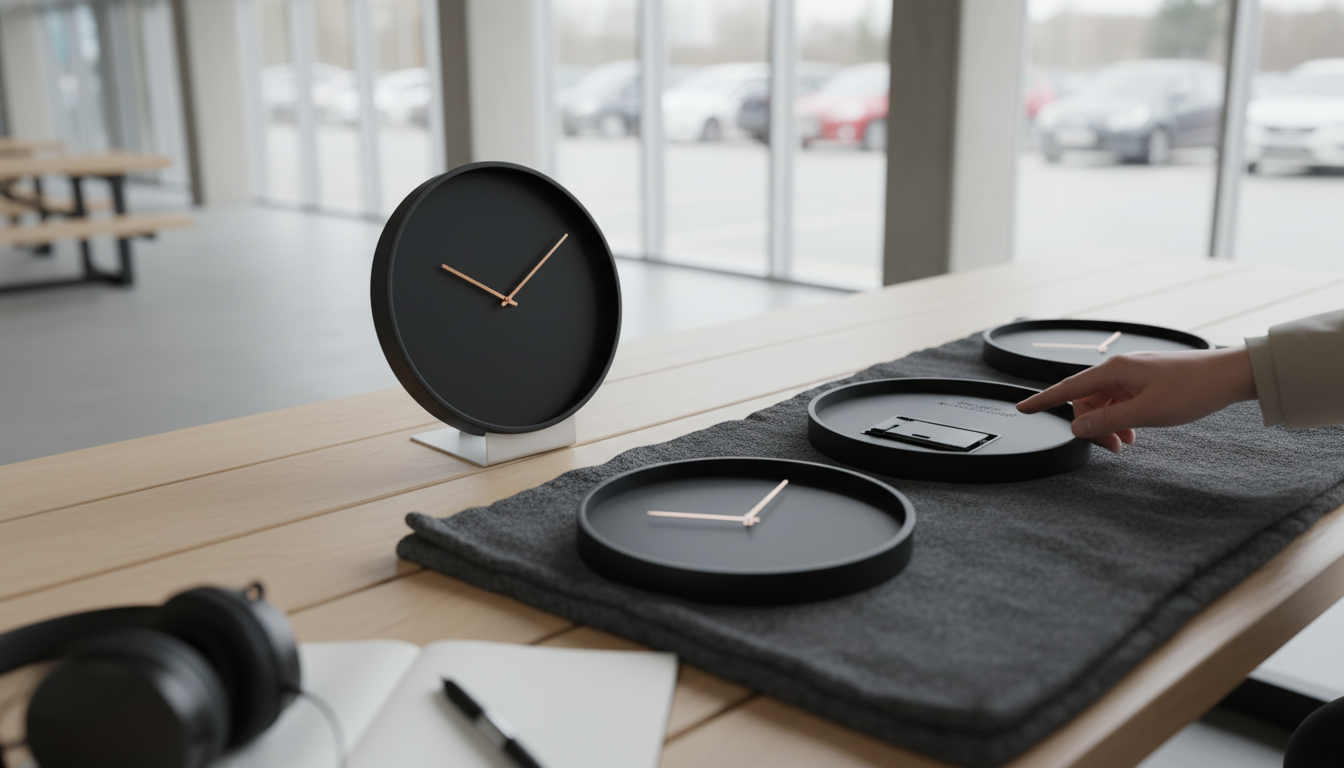
What does “silent” mean on a wall clock, and are silent clocks truly quiet?
On a wall clock, “silent” typically means the clock uses a non-ticking movement—most often a sweeping second hand or a step movement engineered to reduce the sharp “tick-tock” sound. Instead of the audible beat created by many quartz ticking movements, a silent wall clock is designed to run with minimal noise, making it a popular choice for bedrooms, nurseries, home offices, and anywhere quiet matters.
Are silent clocks actually silent?
Most “silent” wall clocks are effectively quiet from a normal listening distance, but “truly silent” can depend on your room and your sensitivity to sound. Some models may still produce a faint hum, a subtle whir, or a light mechanical sound—especially at night when everything else is quiet. The wall material, how the clock is mounted, and even the quality of the movement can also affect what you hear.
Why “silent” clocks can still make noise
Even with a sweep movement, a clock still has moving parts and electronics. Cheaper movements may transmit a slight vibration through the case, and a hollow wall or loose mounting can amplify it. Battery type can matter too: a weakening battery may cause irregular movement that’s more noticeable in a silent design.
How to choose a quieter “silent” wall clock
Look for clocks that specifically mention a “sweep” second hand and a “non-ticking” movement, and consider reviews that mention bedroom use. A solid clock case can dampen vibration better than a thin plastic shell. Mounting it securely on a stable surface helps reduce resonance.
For a deeper breakdown of what “silent” really means and what to expect in real rooms, visit the full guide here: https://splendena.com/what-does-silent-mean-on-a-wall-clock-and-are-silent-clocks-truly-quiet/.
FAQ
What is the difference between a sweeping second hand and a ticking second hand?
A ticking second hand moves in one-second jumps and often creates a distinct tick sound. A sweeping second hand moves continuously (or nearly so), which greatly reduces or eliminates the classic tick-tock noise.










Leave a comment