Wall Clock Size Guide: Fit the Perfect Clock to Your Wall
How do I choose the right wall clock size for my wall space?
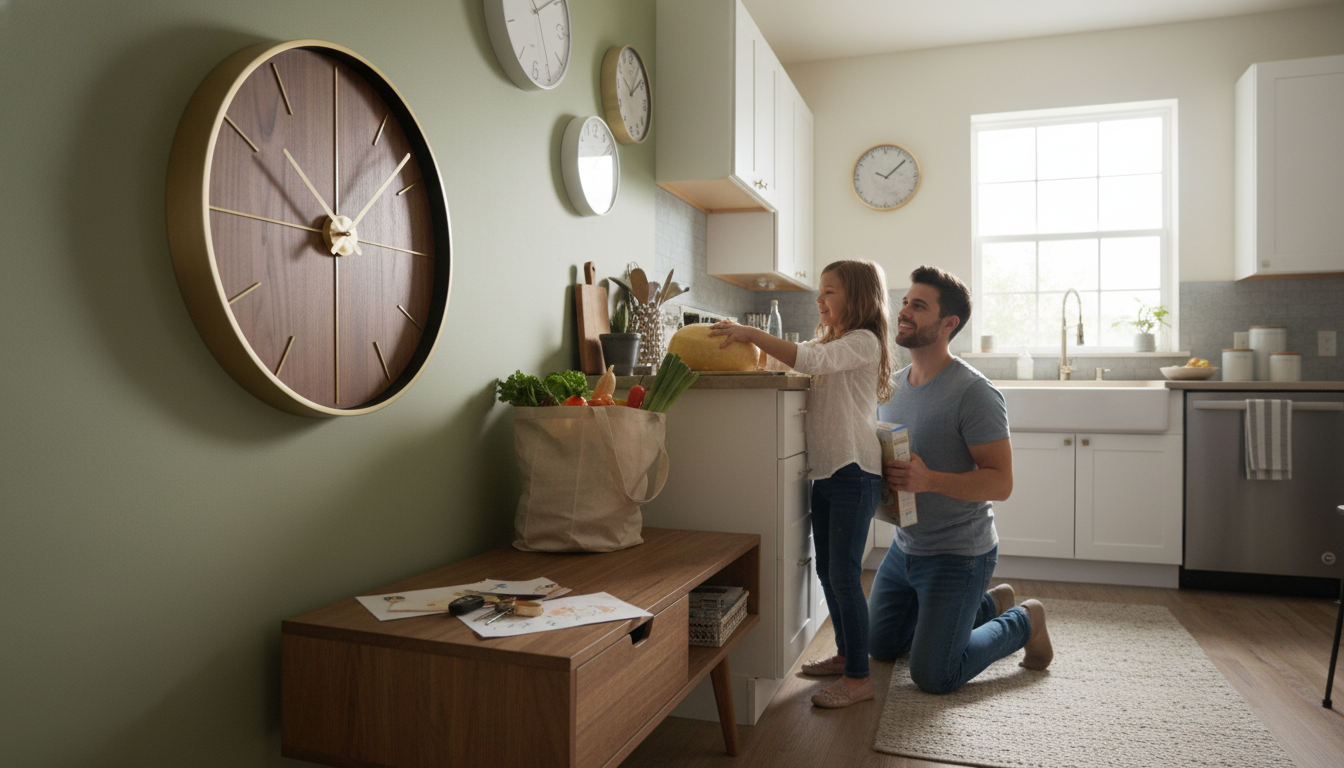
Start by looking at your wall like a “frame” for the clock. A clock that’s too small can disappear on a large, open wall, while an oversized clock can overpower a tight area. The goal is a balanced look that’s easy to read from the typical viewing distance.
Measure the wall area the clock will live in
Identify the visual boundary: the section of wall above a sofa, between windows, over a mantel, or within a gallery layout. Measure that usable width and height, not the entire wall. As a quick guideline, many designers aim for the clock to take up roughly 50%–75% of the available width of that “zone,” depending on how bold you want the statement to be.
Consider furniture scale and placement
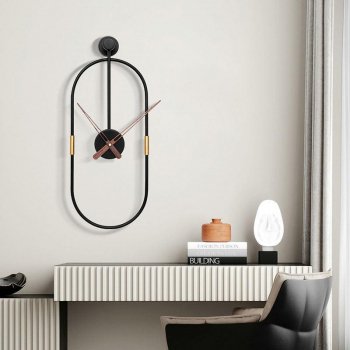
If the clock goes above furniture, let the furniture anchor it. A common approach is choosing a clock that’s about 2/3 the width of the piece below (like a console or fireplace mantel). Hang it so it feels connected—often leaving a comfortable gap of around 6–10 inches above the furniture top, adjusted for ceiling height and overall proportions.
Factor in viewing distance and readability
Bigger rooms and longer viewing distances typically call for a larger diameter so the hands and numerals are legible. If the clock is meant to be read from across a living room, a larger face and higher-contrast design usually works better than a small, minimal dial.
Match the clock’s visual “weight” to the space
Diameter is only part of size. Thick frames, bold numerals, metallic finishes, and darker colors can make a clock feel larger. A slim, light-colored frame can feel more understated even at the same diameter. If your wall already has strong art or shelving, a slightly simpler clock can keep things from looking crowded.
For more sizing tips and examples, visit https://splendena.com/how-do-i-choose-the-right-wall-clock-size-for-my-wall-space/.
FAQ
Where should I hang a wall clock for the best look?
Center it at eye level when it’s on an open wall, or visually center it within the “zone” above furniture. Keep it aligned with nearby elements (like a console table or mantel) so it feels intentional rather than floating.







Leave a comment