Which Wall to Avoid for Mirrors? Best Placement Tips
Which wall to avoid for mirrors?
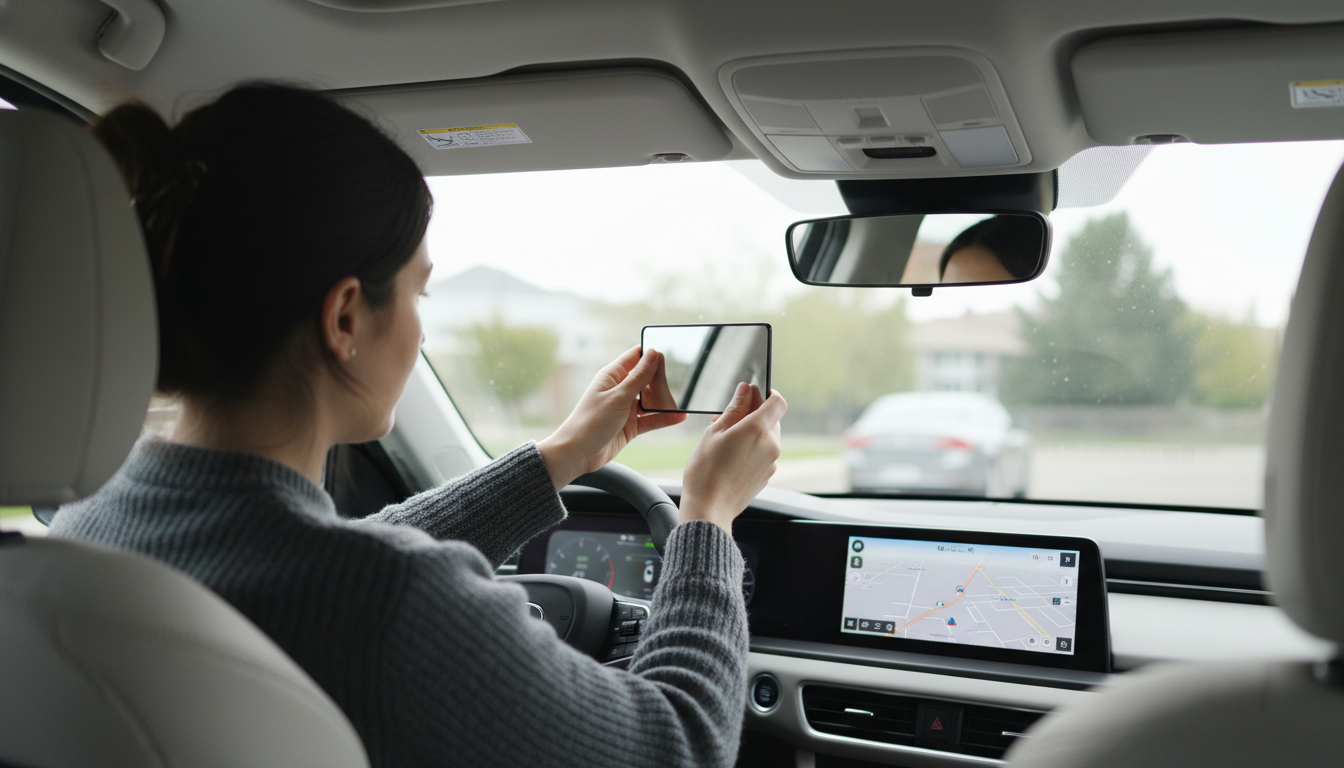
Avoid placing mirrors on walls where they will bounce harsh glare, expose clutter, or create awkward sightlines. In most homes, the “wrong” wall is less about a strict rule and more about what the mirror will reflect and how it affects comfort, lighting, and flow.
Walls that reflect clutter or “busy” areas
If a mirror faces an unmade bed, a crowded countertop, open shelving, or a messy entry drop zone, it doubles the visual noise. The result can make the room feel smaller and more chaotic—especially in bedrooms, kitchens, and compact hallways.
Walls opposite direct sunlight or unshaded windows
Mirrors can intensify glare when placed directly across from bright windows. This can create uncomfortable hot spots and harsh reflections during peak daylight hours. If you want more light, angle the mirror slightly or place it on a side wall to brighten the room without blinding glare.
Walls that create distracting reflections of screens
Avoid hanging a mirror where it reflects a TV, computer monitor, or glossy framed art that already produces glare. The extra reflection can be distracting and can make it harder to watch or work comfortably.
Walls behind doors or in high-traffic “collision zones”
Placing a mirror where a door can swing into it is a common (and expensive) mistake. Entryways, bathrooms, and closets are frequent trouble spots. Choose a wall that won’t be hit by door handles, bags, or frequent foot traffic.
Walls facing the bed (for those who prefer a calmer bedroom)
In bedrooms, many people avoid mirrors facing the bed because the reflection can feel visually stimulating at night or create an uneasy sense of movement in low light. If you like a mirror in the bedroom, consider positioning it on a side wall, inside a closet door, or where it won’t reflect the bed directly.
For more placement examples and room-by-room guidance, visit https://splendena.com/which-wall-to-avoid-for-mirrors/.
FAQ
Where should a mirror be placed to make a room look bigger?
Place it where it reflects open space or a window view, such as on a side wall near a window or across from a clean, uncluttered focal point. Keeping the reflected area tidy makes the “expanded” look feel intentional.









Leave a comment