

21kPa Cordless Car Vacuum: Fast Charging, Deep Clean
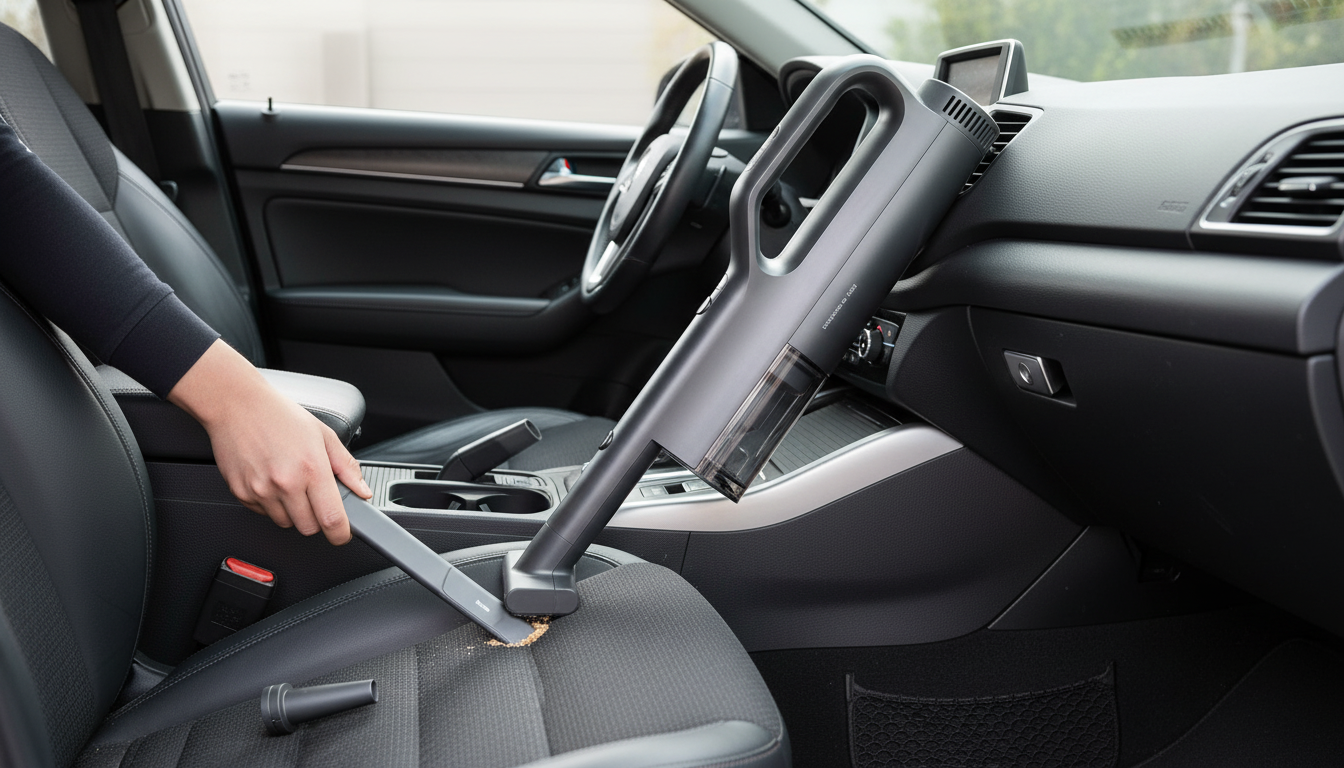
High-Power Cordless Car Vacuum Cleaner with 21kPa Suction and Fast Charging
A cordless car vacuum with strong suction and fast charging makes it easier to keep seats, floor mats, consoles, and tight crevices clean without hunting for outlets or dragging cords across the driveway. If you’re comparing models, “21kPa” is one of the quickest indicators that you’re looking at a vacuum built for real interior messes—sand in the footwell, crumbs in seat seams, pet hair on fabric—rather than a light-duty gadget meant for dusting only.
What strong suction changes inside a car
Car interiors create a tougher cleaning environment than flat floors at home: short carpet fibers trap grit, rubber mats hold debris in grooves, and seat rails collect dense dirt where hands can’t reach. Higher suction helps in several practical ways:
- Deeper lift from carpeted footwells and trunk liners: Strong suction pulls embedded grit up and out instead of just moving it around.
- Better pickup of heavier debris: Sand, tiny stones, and pet kibble are more likely to lift on the first or second pass, reducing total time.
- Cleaner seams and seat tracks: Paired with a crevice tool and slow, controlled strokes, higher suction pulls dust out from tight channels.
- Less dependence on aggressive brushing: With adequate suction, you can use gentler agitation on upholstery and still get solid results.
Quick specs to verify before buying
Specs can look similar across cordless vacuums until you check the fine print. Before committing, confirm these items on the product page and in the included accessory list.
At-a-glance checklist
| Item to check | Why it matters in a car | What to confirm on the product page |
|---|---|---|
| Suction (kPa) | Fewer passes on carpets, better sand pickup | 21kPa rating and whether it’s peak/continuous |
| Charging | Top-ups between trips, readiness for quick cleanups | Fast-charging method, port type, and charge time |
| Runtime | Completing seats + footwells without stopping | Minutes on each mode and battery capacity |
| Attachments | Reaching rails, vents, and tight corners | Crevice tool, brush tool, extension options |
| Filter | Dust containment and airflow stability | Washable filter type and replacement parts |
| Maintenance | Consistent suction over time | How to empty dust cup and clean filter |
Filtration details matter more than many shoppers expect. Multi-stage filtration helps trap fine particles so they don’t blow back into the cabin and also helps keep airflow steadier as the dust cup fills. For a deeper look at filtration concepts and particulate capture, see this overview from the NIH/NCBI.
Fast charging in everyday use
Fast charging changes ownership more than a slightly larger dust cup: it helps the vacuum stay “ready” instead of becoming another device that’s always dead when you need it. In real routines, that means:
- Short, frequent cleanups become realistic: A quick top-up can be enough to handle crumbs after a commute or a school pickup.
- Fewer last-minute disappointments: Faster replenishment reduces the chance you grab the vacuum and discover it won’t run.
- Easier trunk habits: A brief charge while unloading groceries can restore usable runtime for the next day.
- Battery care tends to align with convenience: Many lithium devices do well with partial charges; avoid leaving the unit drained at 0% for long periods.
If you plan to charge from modern USB-C power sources, it helps to understand charging standards like USB Power Delivery; the USB Implementers Forum explains the basics of USB PD.
Where a 21kPa cordless vacuum performs best
High suction is most noticeable where debris is heavy, embedded, or trapped in angles. To get the most from a 21kPa-rated cordless vacuum, match the tool and technique to the surface:
- Floor mats: Vacuum in place first to remove loose grit. Then remove and shake. Finish with targeted passes along raised edges and grooves where sand hides.
- Carpeted footwells: Use slow, overlapping strokes. Spend extra time near pedals and the door-side edge where shoes drop debris.
- Seats and upholstery: Use a brush attachment for fabric to lift fibers and release hair. On leather, rely on suction and a very soft brush so you don’t scuff the finish.
- Crevices and rails: A narrow tool helps reach seat tracks, console seams, and the tight gap between seat and center console.
- Trunk and cargo area: Strong suction helps lift soil and sand from carpeted liners; don’t forget corners and the lip near the latch.
Keeping suction strong: filters, emptying, and airflow
For general cleaning best practices in shared or high-touch environments, the EPA provides clear guidance that also applies well to routine wipe-downs of hard interior surfaces.
Safety and battery care for car storage
A practical cleaning routine that fits a busy week
Product option and helpful add-on
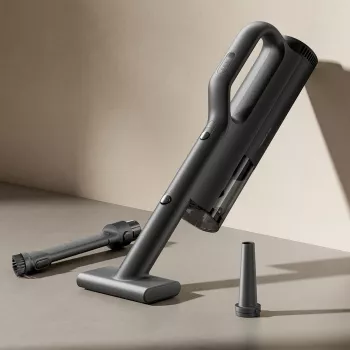
- High-Power Cordless Car Vacuum Cleaner – 21kPa Suction, Fast Charging
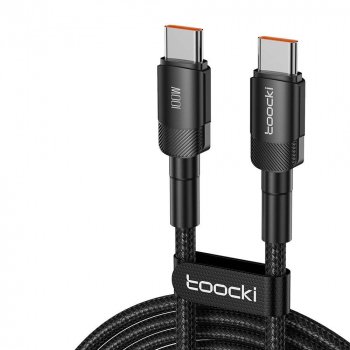
- 100W USB-C to USB-C Fast Charging Cable with PD 3.0 & QC 4.0 – 5A Power (confirm your vacuum’s charging port and supported charging standard before using a higher-power cable/charger)
FAQ
Is 21kPa suction enough for sand and pet hair in a car?
In most cars, 21kPa is strong enough to noticeably improve sand pickup and reduce the number of passes on carpets. Pet hair results depend on the nozzle design and whether you use a brush attachment, plus slower passes to pull hair out of fabric.
How long should the filter dry after washing?
Let the filter air-dry completely before reinstalling; many washable filters need several hours or overnight depending on humidity. Reinstalling a damp filter can cause odors and restrict airflow.
Can a fast-charging car vacuum be charged from a USB-C charger in the vehicle?
Yes, as long as the vacuum supports USB-C input and the vehicle charger can supply the required voltage and current. Check the vacuum’s charging requirements and use a quality charger and cable that match the supported standard.










Leave a comment