Irregular Mirrors: Uses, Placement & Styling Ideas
What are irregular mirrors used for?
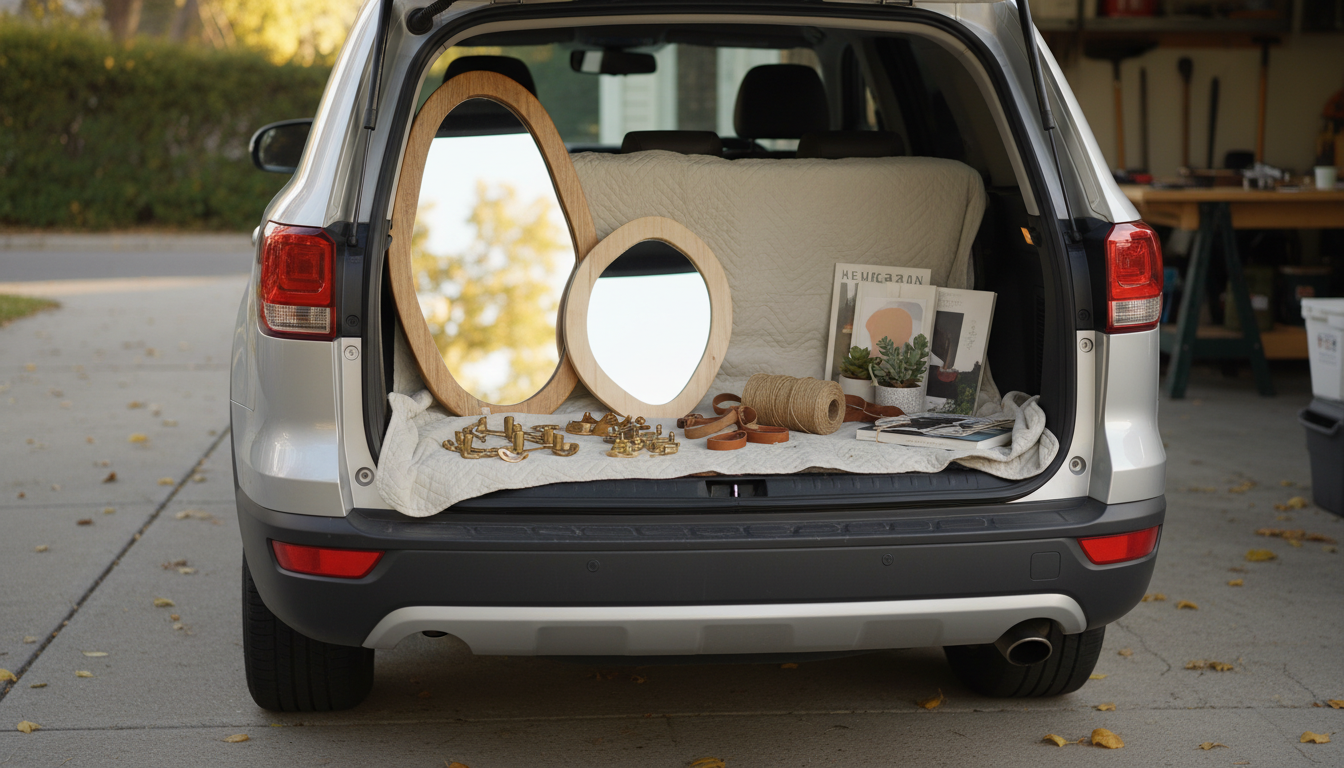
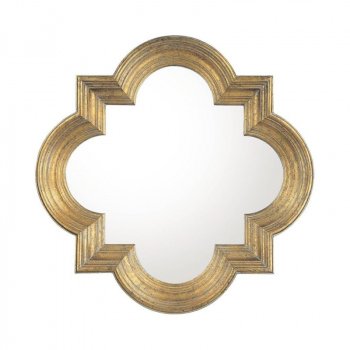
Irregular mirrors are used to add visual interest, soften harsh lines, and create a more artful look than standard rectangular or round mirrors. Their uneven, organic, or asymmetrical shapes function as both a reflective surface and a decorative statement, helping a wall feel styled even before other decor is added.
Statement wall decor that doubles as function
One of the most common uses for an irregular mirror is as a focal point. Because the outline is unexpected, it naturally draws the eye—making it ideal above a console table, in an entryway, or over a mantel. It still serves everyday needs like quick outfit checks or touch-ups, but it also behaves like wall art when not in use.
Making small spaces feel larger and brighter
Like any mirror, irregular mirrors can visually expand a room by reflecting light and creating depth. They’re especially useful in smaller bedrooms, narrow hallways, and apartments where extra brightness helps the space feel more open. Placing one opposite a window or near a light source can amplify natural or ambient light without adding clutter.
Softening modern rooms and adding movement
Irregular silhouettes are frequently used to break up “boxy” layouts and straight-lined furniture. In minimalist or modern interiors, the fluid shape introduces movement and warmth, balancing sharp edges from cabinets, tile lines, or sectional sofas. This makes them a popular choice for bathrooms, living rooms, and dressing areas that need a softer finishing touch.
Styling options: solo piece or curated arrangement
Irregular mirrors work well as a single standout piece, but they can also be grouped with complementary shapes for a gallery-like effect. Designers often pair them with textured materials—wood, stone, linen, or metal finishes—to emphasize the mirror’s sculptural feel. For more placement ideas and examples, visit https://splendena.com/what-are-irregular-mirrors-used-for/.
FAQ
Where should you hang an irregular mirror?
Hang it where you want both reflection and impact, such as above a vanity, console table, or dresser. Keep it at eye level for practical use, or slightly higher if it’s primarily decorative.







Leave a comment