


Pocket Umbrella Guide: Compact Cover for Commutes
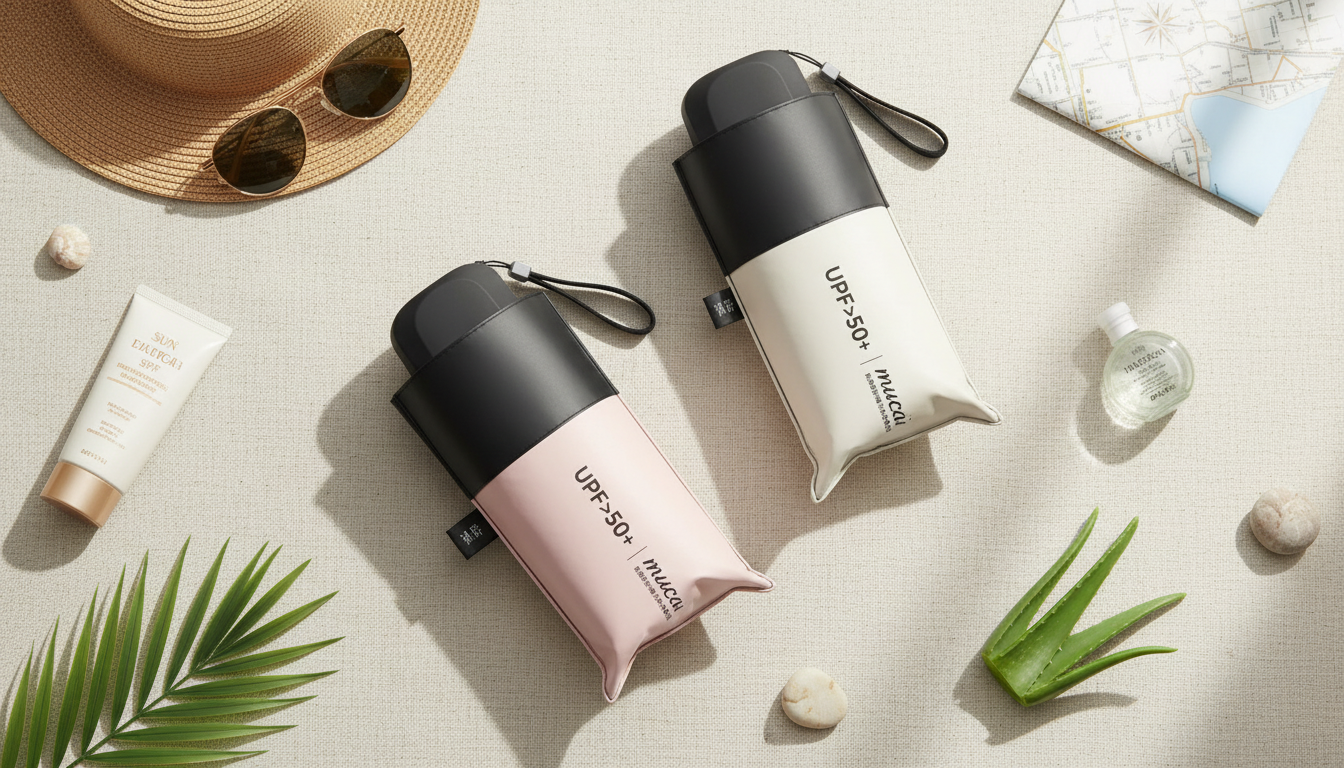
Pocket Umbrella: Small Carry, Big Coverage for Commuting and Travel
A pocket umbrella is designed to disappear into a bag or jacket pocket, then open quickly when the weather turns. The best ones balance compact size with dependable canopy coverage, stable ribs, and a grip that feels secure on slick sidewalks or windy corners.
What Makes a Pocket Umbrella Different
Pocket umbrellas are built around one priority: daily carry without the bulk. That changes the design in a few important ways.
- Compact folded length for everyday carry in a tote, backpack, or coat pocket
- Lightweight build that’s comfortable to keep on hand daily
- Quick open/close mechanism for stepping in and out of cars, buses, or doorways
- Smaller canopy than full-size umbrellas, trading maximum coverage for portability
- Often built with segmented ribs and a telescoping shaft to reduce packed size
The result is an umbrella that’s easy to keep within reach—so it actually gets used when a sudden shower hits.
When a Pocket Umbrella Is the Right Choice
- Commuting: easy to stash and deploy during surprise showers
- Travel days: fits in personal-item bags without sacrificing space
- Outdoor events: a convenient backup even if rain isn’t in the forecast
- Giftable everyday essential: practical, inexpensive, and universally useful
- Quick errands: less hassle than carrying a long umbrella that needs a hook or stand
If the goal is “always prepared” without carrying extra gear, a pocket umbrella is one of the simplest upgrades to a daily routine.
Feature Checklist for Daily Reliability
Not all compact umbrellas feel the same on the street. A few features make a noticeable difference when it’s windy, crowded, or you’re juggling a bag.
| Feature | Why it matters | What to look for |
|---|---|---|
| Folded size | Determines whether it truly fits daily carry | Short enough for small bags; compact telescoping shaft |
| Weight | Affects whether it gets left behind | Lightweight materials without feeling flimsy |
| Ribs/frame | Main determinant of wind resistance and lifespan | Reinforced ribs; firm joints; smooth opening action |
| Canopy coverage | Keeps shoulders and bag drier | Balanced diameter for portability and protection |
| Dry storage | Prevents wet items and odors in a bag | Wrist strap and a sleeve; quick-shake, water-shedding fabric |
| Grip/handle | Improves comfort and control in rain and wind | Non-slip handle; comfortable shape |
Material and mechanism details that matter
- Canopy fabric: tightly woven material helps shed water and reduces dripping after closing
- Frame and ribs: sturdier ribs resist flipping and maintain shape over time
- Shaft: a stable telescoping shaft reduces wobble when walking in gusts
- Handle: textured or contoured grip improves control with wet hands
- Strap and sleeve: makes it easier to carry and store without soaking the inside of a bag
- Open/close: manual or automatic—automatic is convenient, manual can reduce moving parts
Using a Pocket Umbrella in Wind and Heavy Rain
Compact umbrellas can handle a lot, but technique makes a real difference—especially when wind funnels down city blocks.
- Angle the canopy into the wind rather than holding it straight overhead, so gusts slide over it instead of catching underneath.
- Keep one hand on the handle and use the wrist strap for extra security when crossing intersections or climbing steps.
- In strong gusts, lower the canopy slightly to reduce leverage on the ribs and stabilize your grip.
- Avoid using an umbrella near hazards during thunderstorms; seek sheltered indoor cover when lightning is present. Guidance from the National Weather Service and Ready.gov is to get inside a substantial building or a hard-topped vehicle when thunder is heard.
- After heavy rain, shake off water before closing to reduce dripping and mildew risk.
Care and Storage for Longer Life
A pocket umbrella is easy to toss into a bag, but a little care helps it stay smooth-opening and odor-free.
- Dry it fully open after use to prevent odors, staining, and corrosion at joints.
- Wipe the shaft and ribs occasionally, especially after exposure to grit, road salt, or coastal air.
- Store in its sleeve only after drying; keep away from sharp objects that can puncture the canopy.
- If the mechanism feels sticky, check for trapped debris around the runners and joints before forcing it.
- Replace when ribs are permanently bent or fabric seams split—repairs often cost more than a simple upgrade.
A Compact Option to Keep Within Reach
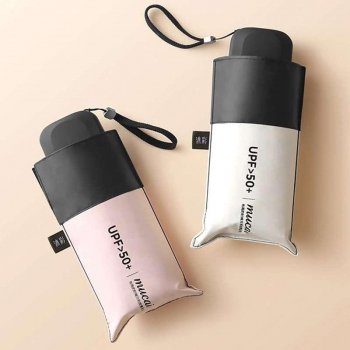
If you want a simple everyday backup, the Pocket Mini Umbrella is an easy add to a purse, backpack, car console, or office drawer. It’s especially useful for short walks between parking lots, transit stops, and building entrances when the forecast changes fast.
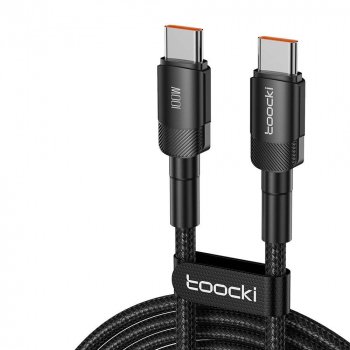
For a travel-friendly setup, it also pairs naturally with a few small essentials: a dependable charging cable like the 100W USB-C to USB-C Fast Charging Cable, plus soft gear that makes overnights more comfortable—such as a Cotton Sleeping Bag Liner for hostels, cabins, or road trips.
FAQ
How small should a pocket umbrella be to carry every day?
A good everyday pocket umbrella is typically around 6–9 inches when folded and roughly 6–12 ounces, so it fits easily in a small bag pocket or a roomy coat pocket. Smaller models are easier to carry, while slightly larger ones usually give better shoulder and bag coverage.
Are pocket umbrellas good in wind?
They can be, but compact frames generally have less leverage and fewer long supports than full-size umbrellas, so build quality matters more. Look for sturdy ribs and a stable telescoping shaft, and improve performance by angling the canopy into the wind and lowering it in strong gusts.
How do you store a wet umbrella without soaking a bag?
Shake off as much water as possible before closing, then use a sleeve and place it in an outer pocket or separate compartment. Dry it fully open as soon as you can to prevent mildew and lingering odor.










Leave a comment