

Don’t Get Sick on Vacation: Travel Health Checklist
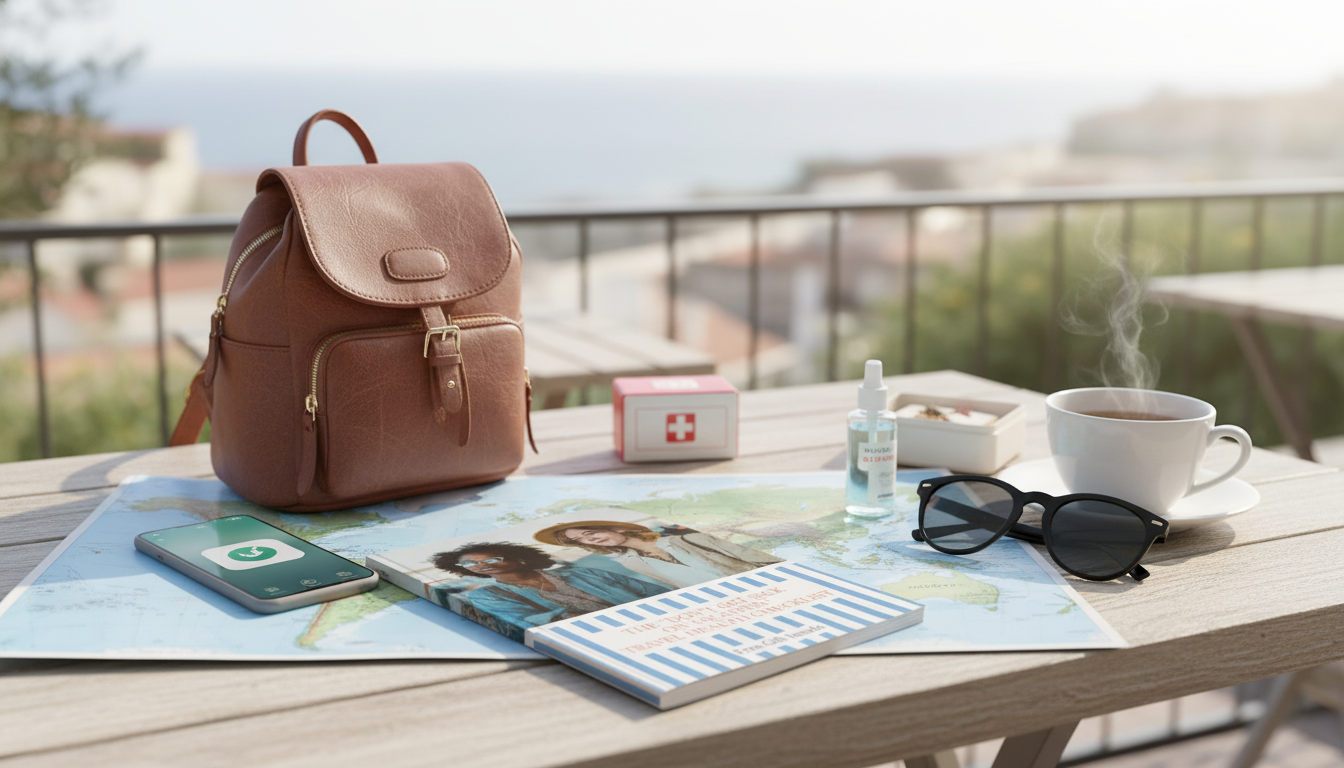
Vacations derail quickly when sleep, hydration, crowded airports, and unfamiliar food stack the odds against the immune system. A simple, repeatable routine—before departure, in transit, and on arrival—reduces exposure, supports recovery, and helps keep plans on track. Use the sections below as a step-by-step checklist for staying well without overpacking or overcomplicating the trip.
Why travelers get sick (and what actually helps)
Most “vacation colds” and stomach issues come down to a few predictable stressors. The good news: the fixes are practical and don’t require an overstuffed suitcase.
- Crowding + poor ventilation in transport hubs increases exposure to respiratory viruses. A well-fitting mask in dense lines and on packed shuttles is a high-return habit, especially when you’re tired.
- Dehydration, alcohol, and disrupted sleep weaken barrier defenses and slow recovery. Steady water intake and protecting sleep are the basics that actually move the needle.
- Stomach trouble often comes from contaminated food/water or risky choices made under fatigue. Safe-eating rules and handwashing before meals matter more than last-minute supplements.
- Over-scheduling reduces resilience. Buffer time and rest prevent the “crash” that can make minor symptoms snowball.
Two-week to two-day pre-trip reset
Small adjustments in the days before departure often determine whether your immune system shows up ready—or already depleted.
- Check routine vaccines and destination-specific recommendations early enough to complete any series if needed. For official guidance, review CDC Travelers’ Health or WHO travel advice.
- Prioritize sleep consistency for at least 5–7 nights before departure. A single all-nighter can noticeably increase susceptibility and make everything feel harder.
- Scan for local risks (food/water safety, mosquitoes, altitude) and plan preventive steps that match your itinerary—not generic fear.
- Refill prescriptions and pack a few extra days’ supply in your carry-on. Set medication reminders aligned to the destination time zone.
- Reduce last-minute stress: finalize packing, download reservations offline, and plan transport to the airport with time to spare.
Carry-on health kit: small items, big payoff
Your carry-on is your health “insurance policy” when checked bags are delayed or you’re stuck in transit longer than planned.
- Hygiene basics: alcohol-based hand sanitizer, tissues, and disinfecting wipes for tray tables and armrests.
- Respiratory protection: a well-fitting mask for crowded lines, shuttles, planes, and public transit—especially when seats are tightly packed.
- Hydration support: an empty bottle to fill after security; consider electrolyte packets for long flights, heat, or GI upset.
- Stomach backup: oral rehydration salts, an anti-diarrheal (if appropriate for you), and simple snacks to avoid risky impulse food.
- Comfort and recovery: lip balm, saline spray, and lozenges for dry cabin air; earplugs/eye mask to protect sleep.
Airport and flight routine that reduces exposure
Quick timeline: stay-well routine from home to hotel
| When | What to do | Why it helps |
|---|---|---|
| Night before | Pack meds in carry-on; set sleep cutoff; fill water bottle ready for security | Prevents missed doses; reduces dehydration and fatigue |
| Airport | Handwash before snacks; mask in dense lines; avoid touching face | Cuts exposure when crowding is highest |
| On the plane | Wipe surfaces; sip water regularly; nap with eye mask/earplugs | Reduces contact transmission; protects sleep |
| Arrival | Wash hands; eat a simple meal; get daylight; early bedtime if needed | Supports circadian adjustment and recovery |
| Day 1–2 | Keep hydration up; lighter schedule; avoid risky street food if unsure | Prevents the common “arrival crash” and GI illness |
Food, water, and stomach-safety rules (without paranoia)
Hotel and lodging hygiene: the 3-minute reset
Sleep and jet lag: the health lever most travelers ignore
If symptoms start: early actions that save the trip
- Act at the first sign: hydrate, simplify food, and prioritize sleep. The goal is recovery, not pushing through.
- Reduce spread to companions: mask in shared indoor spaces, ventilate when possible, and avoid sharing towels/drinks.
- Know when to seek care: breathing difficulty, chest pain, confusion, severe dehydration, persistent high fever, or worsening symptoms warrant medical evaluation.
- If flying while ill: follow airline and destination guidance and consider postponing travel when feasible. For general passenger health guidance, see IATA health and safety for passengers.
Printable support: a ready-to-use checklist for every trip
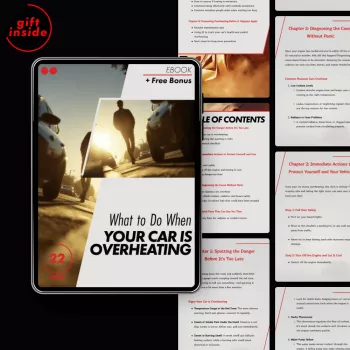
If you want a ready-made version you can reuse on every trip, consider the Don’t Get Sick on Vacation Travel Health Checklist (digital download).
Travel-friendly add-ons that support comfort and recovery
- Better sleep anywhere: A breathable liner can make rest easier in hostels, cabins, or hotels with unpredictable laundry standards. Try the Cotton Sleeping Bag Liner as a simple personal sleep layer.
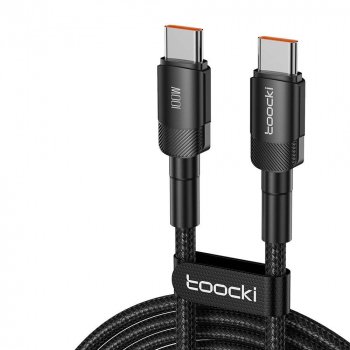
- Reliable power, less stress: A dead phone can derail navigation, reservations, and sleep routines. Pack a dependable cable like the 100W USB-C to USB-C Fast Charging Cable for fast top-ups on travel days.
For additional practical tips, see: How to avoid getting sick before vacation, How to not get sick when traveling internationally, and What to take before flying to avoid getting sick.
FAQ
How to avoid getting sick before vacation Reddit
Protect sleep for a full week before departure, hydrate consistently, and refill prescriptions early so you’re not scrambling. Reduce exposure in crowded indoor settings during the days right before travel, and skip last-minute “new” supplements you haven’t tested before.
How to not get sick when traveling internationally
Use layers that work together: hand hygiene before eating, masking in dense transit settings, safe food and water choices, steady hydration, and a lighter schedule for the first 48 hours. Add destination-specific steps like mosquito protection or altitude acclimatization when relevant.
What to take before flying to avoid getting sick
Pack a small carry-on kit with sanitizer, disinfecting wipes, a well-fitting mask, an empty water bottle, electrolytes, any basic meds you already tolerate, and simple snacks. The most effective “before flying” move is showing up rested and hydrated.










Leave a comment