

Elastic Long Knee Pads: Fit, Breathability & Sport Uses
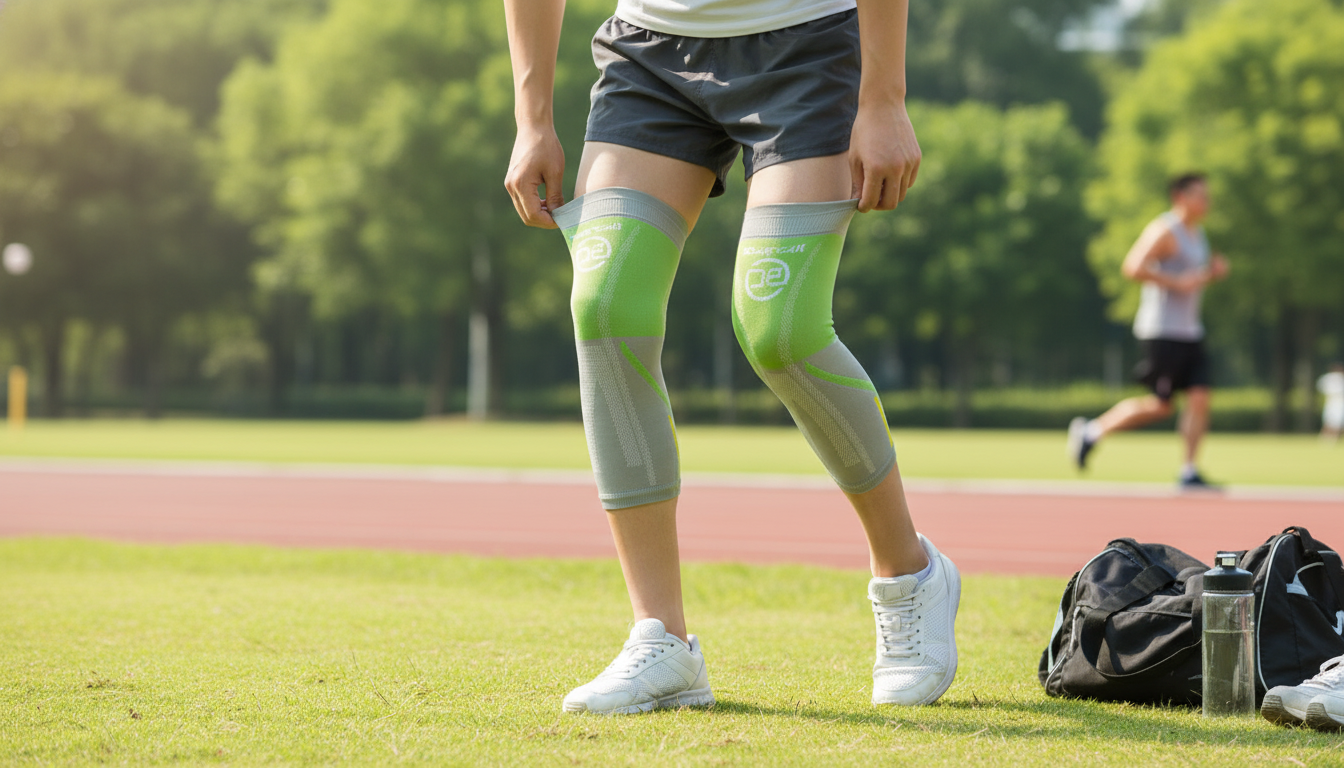
Elastic Long Knee Pads for Training and Court-to-Road Sports
Long, elastic knee pads add lightweight support and abrasion protection for workouts that involve repeated bending, quick direction changes, or long sessions on the move. The right pair should feel secure without cutting off circulation, stay in place as sweat builds, and remain breathable across intervals, rides, and rallies.
What Long Knee Pads Are Designed to Do
Elastic long knee pads are built to feel more like a streamlined sleeve than a bulky brace. They’re a practical add-on for active days when comfort, coverage, and consistent fit matter most.
- Provide a stable, snug sleeve feel around the knee to reduce distracting shifting during movement
- Add a light layer of protection against scrapes and friction from floors, courts, or bike contact points
- Support warm-up and recovery by keeping the joint area comfortably covered without bulk
- Offer a streamlined fit that works under most training apparel
For general guidance on braces and supports, the American Academy of Orthopaedic Surgeons offers a helpful overview: Knee braces and supports.
Comfort and Fit: Getting the Support Without the Squeeze
Fit makes or breaks the experience. A long sleeve that’s “too tight to fail” often fails anyway—by rolling, pinching, or making you want to take it off mid-session.
- Aim for even compression along the length: tight enough to stay put, not so tight that it causes numbness or leaves deep marks.
- Check the top and bottom bands: non-slip grip helps prevent rolling during running strides and cycling cadence.
- Prioritize a shape that follows the knee bend so the fabric does not bunch behind the knee during squats and lunges.
- If between sizes, choose the option that avoids pinching; stability comes more from proper length and grip than extreme tightness.
A quick self-check: after putting the sleeve on, flex and extend your knee 10–15 times. If you feel tingling, see color changes in your lower leg/foot, or notice the sleeve “cording” behind the knee, it’s time to adjust sizing or reposition.
Breathability and Sweat Management for Longer Sessions
For interval workouts, indoor court time, or warm-weather runs, breathability is just as important as support. A sleeve that traps heat can start out fine and then become distracting once sweat builds.
- Look for breathable knit or moisture-wicking fabric to reduce heat build-up during intervals and indoor training.
- A lightweight sleeve is often more wearable for multi-sport days than a thick padded brace.
- After heavy sweating, rinse and air-dry to maintain elasticity and reduce odor retention.
- Avoid fabric softeners when washing; they can reduce wicking performance over time.
If you train frequently, staying consistent with basics—regular movement, sensible intensity, and recovery—matters more than any single accessory. The CDC’s activity guidelines can help you structure a routine that fits your goals: Exercise and physical activity (general guidance).
Sport-by-Sport Use Cases
Long knee sleeves work best when they match the movement pattern. Use these scenarios to decide which features matter most for your training day.
Fitness training
Helpful for squats, lunges, plyometrics, and machine work where repeated knee flexion can cause sleeve creep. Look for a fabric that stretches smoothly through deep ranges of motion without folding behind the knee.
Running
A long sleeve can reduce rubbing and help keep the joint area warm on cooler days. Prioritize low bulk, breathable material, and top-band grip that holds steady as your stride repeats.
Cycling
Provides a thin barrier under tights or against strap and seam friction. The key is eliminating bunching at the back of the knee—especially at higher cadence where small pressure points become big distractions.
Badminton and court drills
Quick stops, lateral cuts, and floor contact are where long knee pads shine. A secure, centered fit helps keep coverage where you need it when your direction changes fast.
| Activity | What matters most | Practical check before using |
|---|---|---|
| Gym training | Stay-put fit, flexibility at the knee | Do 10 deep squats; confirm no rolling or pinching |
| Running | Low bulk, breathability, anti-chafe | Jog 5 minutes; confirm no downward slide |
| Cycling | Smooth feel under clothing, no bunching | Spin at cadence; check for pressure behind knee |
| Badminton | Grip and comfort during lateral cuts | Side-step drills; confirm sleeve stays centered |
Care, Durability, and When to Replace
Featured Option: Elastic Long Knee Pads (Lightweight & Breathable)
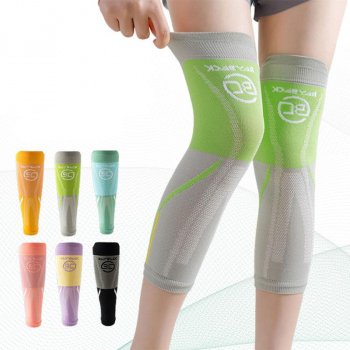
If you want a simple sleeve-style option for cross-training days, consider Elastic Long Knee Pads for Fitness Training, Running, Cycling & Badminton | Lightweight & Breathable. The long profile is designed for broader coverage and reduced shifting, with a breathable feel that’s easier to wear across high-sweat sessions than bulky, heavily padded gear.
Optional training add-on for active days
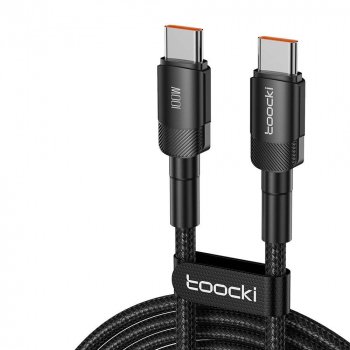
For athletes who use phones, bike computers, lights, or earbuds on the go, having a reliable charging option can help keep training and travel smoother. The 100W USB-C to USB-C Fast Charging Cable with PD 3.0 & QC 4.0 – 5A Power is a compact accessory that fits easily in a gym bag or travel kit.
FAQ
Do long knee pads help with knee pain?
They can provide warmth, light compression, and a sense of support that many people find comfortable during activity. They aren’t a medical treatment, so persistent pain, swelling, or instability should be evaluated by a qualified clinician.
How tight should elastic knee pads feel during exercise?
They should feel snug and secure without tingling, numbness, discoloration, or deep lines left on the skin. If circulation feels restricted or your lower leg feels “asleep,” loosen, resize, or remove the sleeve.
Can knee pads be worn for both running and cycling?
Yes—multi-sport use is common with long, lightweight sleeves. Before committing to a longer session, check for bunching behind the knee on the bike and for slippage during a short run, then wash and air-dry between sweaty workouts.










Leave a comment