
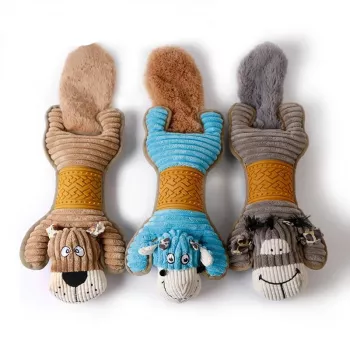
Animal-Shaped Plush Squeaky Toy for Puppies & Dogs
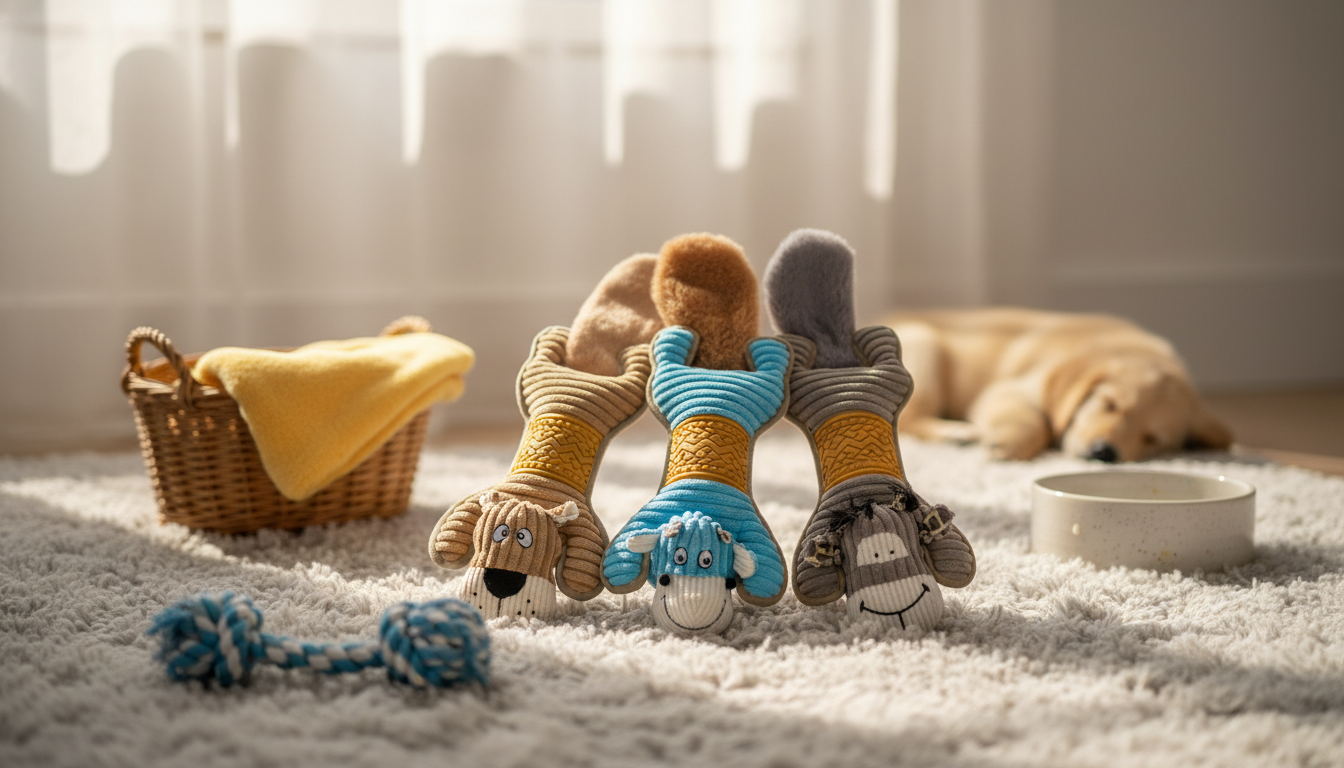
Interactive Squeaky Plush Dog Toy in Animal Shapes: Gentle Chewing and Play for Puppies & Dogs
A plush squeaky toy can turn everyday play into a quick burst of exercise, comfort, and enrichment—especially for puppies learning what’s okay to chew. Animal-shaped plush toys add a familiar, engaging form, while the built-in squeaker keeps attention longer than silent toys. Below are practical ways to use an animal-shaped plush squeaky toy, how to match it to your dog’s habits, and what to watch for so play stays safe and satisfying.
Why Plush Squeaky Toys Keep Dogs Engaged
Many dogs stay interested in plush squeaky toys because the play “feels” rewarding. The squeak acts like instant feedback—bite or pounce, and something happens—so the toy becomes more motivating than a quiet stuffed animal.
- Squeaker feedback: Rewards biting and pouncing, encouraging active play indoors or outdoors when you can’t do a long run.
- Soft plush texture: Can be soothing for puppies during early chewing phases and for dogs that like to carry toys from room to room.
- Animal shapes: Often trigger curiosity—many dogs naturally shake, chase, and “hunt” stuffed forms.
- Boredom-buster: Helps reduce boredom when rotated with other toy types (chew, fetch, puzzle) instead of being available 24/7.
For more general guidance on keeping play healthy and fun, see the ASPCA’s overview of toys and play.
Best Fits: Puppies, Gentle Chewers, and Supervised Play
Plush squeaky toys shine when they match the dog’s chewing style. They’re usually not meant to replace heavy-duty chews, but they can be perfect for playful, mouthy pups and dogs that enjoy soft “prey” toys.
- Puppies: Useful for redirecting mouthing away from hands, shoes, and furniture—especially when you keep one within reach for quick swaps.
- Small to medium dogs: Plush toys are easy to grip, carry, and toss without being too heavy.
- Gentle to moderate chewers: Ideal for dogs that enjoy squeaking and cuddling more than shredding.
- Supervised sessions: Recommended, especially for dogs that quickly tear fabric or work hard to remove squeakers.
Puppy parents dealing with teething can also benefit from structured chewing time; the AKC’s tips on puppy teething and chewing help set realistic expectations for that stage.
Toy Match Guide: Choose by Chewing Style and Routine
One dog might gently squeak a toy for five minutes and then nap with it. Another might try to “dissect” it. Use your dog’s routine to decide how (and when) a plush squeaky toy fits.
- For teething pups: Pair short play bursts with a chilled teether or a vet-approved chew to help with gum comfort, then put the plush away.
- For fetch lovers: Use plush squeaky toys for indoor fetch where hard balls could scuff floors or bump furniture.
- For anxious dogs: Plush carry-and-cuddle behavior can be comforting; combine with calm routines and predictable downtime.
- For multi-dog homes: Keep multiple toys available to reduce guarding and keep play friendly.
Plush Squeaky Toy Fit by Dog Type
| Dog type | What to look for | How to use | When to switch toy types |
|---|---|---|---|
| Young puppy (teething) | Soft plush, easy-to-grip shape, audible squeak | Short supervised play; reward calm chewing | If fabric is shredded or pieces are swallowed |
| Gentle adult chewer | Durable stitching, plush body, fun animal shape | Indoor fetch, tug-light play, solo squeak play | If squeaker is removed repeatedly |
| Moderate chewer | Thicker plush, reinforced seams, minimal loose parts | Rotate with tougher chews; supervise closely | If seams split often—move to rubber/nylon chews |
| Power chewer | Not ideal as a primary chew toy | Use only for supervised enrichment | Choose heavy-duty chew toys instead |
Safe Play and Toy Care
Plush toys are most enjoyable when they’re treated like an interactive item—not a set-it-and-forget-it chew. A quick check before play can prevent most common issues.
- Inspect before each session: Look for split seams, loose threads, or exposed squeaker parts.
- Remove if compromised: If stuffing comes out or the squeaker is accessible, take the toy away right away.
- Choose the right size: Pick a toy that can’t be swallowed; avoid toys that fit entirely in the dog’s mouth.
- Clean correctly: Wash/clean according to care instructions and let it fully dry to prevent odors or mildew.
- Rotate weekly: Rotating toys keeps interest high and reduces wear on a single favorite.
For broader pet-safety basics around responsible care, the AVMA’s guidance on responsible pet ownership is a helpful reference.
Ways to Use an Animal-Shaped Squeaky Plush Toy for Enrichment
When This Toy Is (and Isn’t) the Right Choice
Product Picks for Playtime Rotation
- Interactive Squeaky Plush Dog Toy – Animal Shape Chew Toy for Puppies & Dogs ($8.82): An animal-shaped plush design meant for interactive play, carrying, and gentle chewing, with a squeaker to keep sessions engaging.
- How AI Can Personalize Your Pet’s Diet – Smart Nutrition Guide for Healthier Pets ($7.99): A digital guide that can complement a wellness routine alongside play and enrichment.
FAQ
Is a plush squeaky toy safe for puppies?
It can be safe with supervision, an appropriate toy size, and frequent checks for loose seams or exposed squeaker parts. Keep sessions short during teething and remove the toy immediately if fabric, stuffing, or pieces start coming loose.
How long should a dog play with a squeaky plush toy each day?
Most dogs do well with a few short sessions (often 5–15 minutes at a time), adjusted for energy level and how excited the squeaker makes them. Stop the session if your dog fixates, gets overstimulated, or starts shredding the toy, and rotate to other enrichment options.
What should be done if the squeaker comes out?
Remove the toy immediately to prevent chewing or swallowing the squeaker. If you suspect any part was swallowed, monitor for signs of distress and contact your veterinarian for guidance.










Leave a comment