

10-Inch Collapsible Dobsonian: Big Views, Easier Storage
Big-Aperture Views, Less “Where Do I Put This Thing?”
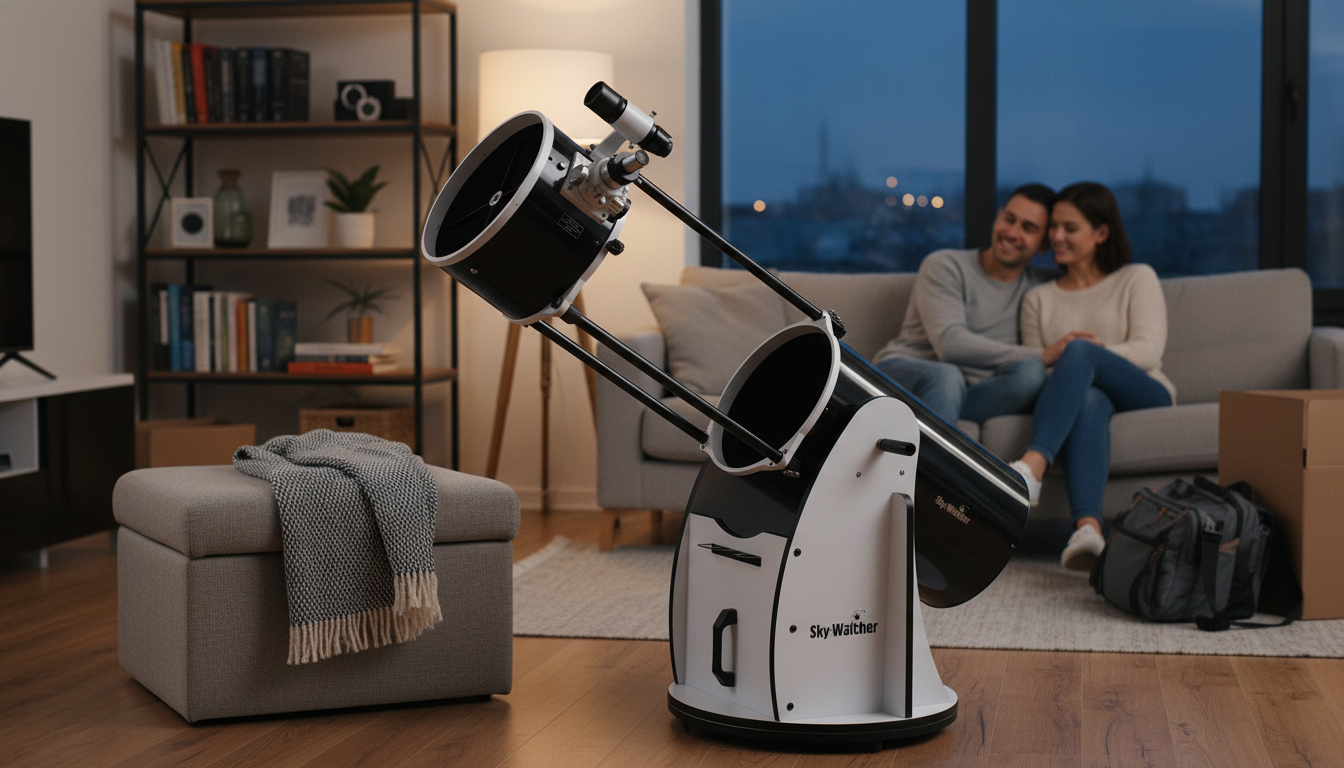
A 10-inch Dobsonian is known for bright, detailed views of the Moon, planets, and many deep-sky objects, but moving and storing a large optical tube can be the sticking point. A collapsible design addresses that pain by shrinking the tube length for transport while keeping the simple, stable Dobsonian mount that makes observing approachable. The sections below cover what a collapsible Dobsonian changes in real use, what to expect from a 10-inch aperture, and practical setup and care tips.
What “collapsible” changes in a Dobsonian
A collapsible Dobsonian keeps the familiar “tube on a rocker box” approach, but swaps the long, one-piece tube for an extendable/truss-style structure. That single design change can make ownership feel very different week to week.
- Shorter packed length: easier to fit in a car trunk, closet, or small apartment storage compared with a full-length tube.
- Faster carry-out workflow: moving the base and tube in fewer awkward steps can mean observing happens more often.
- More attention to alignment: truss/extendable designs can require slightly more frequent collimation checks than a solid tube.
- Same Dobsonian strengths: stable, intuitive altitude-azimuth movement and quick setup without a tripod.
Why 10 inches is a sweet spot for visual observing
Ten inches lands in that satisfying middle ground: large enough to make deep-sky objects feel more “real,” but still practical for a backyard observer who doesn’t want an elaborate mount or long setup routine.
- Light gathering: a 10-inch mirror pulls in significantly more light than common 6–8 inch beginner scopes, improving nebula and galaxy visibility under darker skies.
- Resolution potential: steadier nights allow finer planetary detail (bands on Jupiter, Cassini Division on Saturn) when paired with appropriate magnification.
- Field of view flexibility: with a low-power eyepiece, wide sweeps for star clusters; with higher power, tight views for lunar and planetary targets.
- Real-world limit: atmospheric seeing often matters more than raw aperture for maximum usable magnification.
What to expect from a 10″ Dobsonian on common targets
| Target type | What stands out | Helpful tip |
|---|---|---|
| Moon | High-contrast craters, rilles, and mountain shadows | Use a neutral density or variable polarizing filter if glare is intense |
| Planets | Jupiter’s belts, Saturn’s rings, Mars surface shading in good opposition | Let the scope cool to ambient temperature before pushing high power |
| Bright deep-sky | Orion Nebula, globular clusters, brighter galaxies show structure | Averted vision and dark adaptation reveal more detail |
| Faint deep-sky | More galaxies and nebulae become possible from dark sites | Consider a narrowband filter for emission nebulae |
For beginner-friendly sky targets and seasonal recommendations, NASA’s observing hub is a solid starting point: https://science.nasa.gov/skywatching/.
Key features to look for in a collapsible Dobsonian
Not all collapsible designs feel the same at the eyepiece. Small mechanical differences can translate into easier focusing, smoother tracking, and fewer alignment hassles.
- Stable extension mechanism: tight, repeatable lock-up helps keep collimation consistent between sessions.
- Smooth bearings: predictable altitude/azimuth motion makes manual tracking at higher magnification far easier.
- Finder setup: a unity finder plus optical finder (or a right-angle correct-image finder) can speed up locating targets.
- Focuser feel: a quality 2-inch focuser supports wide-field eyepieces; fine focus control helps at high power.
- Thermal management: open or ventilated tube designs can cool faster, improving sharpness earlier in the night.
Setup, collimation, and first-night checklist
A Dobsonian is refreshingly straightforward, but a 10-inch mirror rewards a little pre-session routine—especially with a collapsible tube.
- Assemble in daylight once: confirm extension locks, bearing tension, and any included accessories are secure.
- Collimation basics: check secondary alignment and primary mirror alignment before each session; a simple collimation cap works, a laser/cheshire speeds the process.
- Cool-down time: allow the primary mirror to reach ambient temperature for crisp planetary views.
- Balance and friction: adjust tension so the tube holds position with heavier eyepieces without “nose-diving.”
- Start low, then increase: begin with low magnification to locate targets, then step up power once centered.
If collimation is new, Sky & Telescope’s walkthrough is a dependable reference: https://skyandtelescope.org/astronomy-resources/how-to-collimate-your-newtonian-reflector/.
Using a Dobsonian smoothly: finding and tracking objects
Dobsonians shine when the observing flow feels natural: find, center, focus, then gently track as the sky drifts by.
For a deeper understanding of how lighting affects what you can see, the International Dark-Sky Association has clear, practical background: https://darksky.org/light-pollution/.
Care, storage, and transport tips for collapsible designs
Product snapshot: 10″ Collapsible Dobsonian Telescope
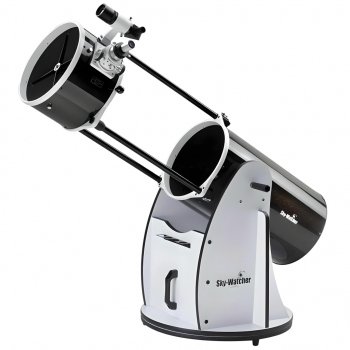
For observers who want a serious aperture upgrade without committing to a complex mount, the 10″ Collapsible Dobsonian Telescope focuses on the fundamentals: big mirror performance, straightforward pointing, and a tube that stores shorter than a traditional solid 10-inch.
Quick details
| Item | Value |
|---|---|
| Name | 10″ Collapsible Dobsonian Telescope |
| Price | 2047.49 USD |
| Availability | In stock |
Helpful extras (in stock)
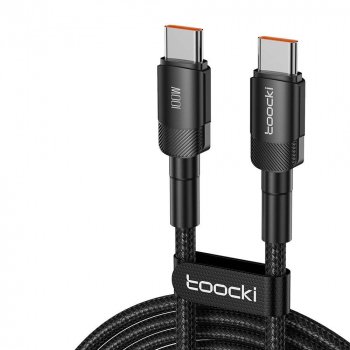
- 100W USB-C to USB-C Fast Charging Cable with PD 3.0 & QC 4.0 – 5A Power (handy for powering/charging accessories and phones during travel)
- Cotton Sleeping Bag Liner (a lightweight comfort layer for cooler, late-night observing sessions)
FAQ
Is a 10-inch Dobsonian too big for a beginner?
A 10-inch Dobsonian can still be beginner-friendly because the mount is intuitive and setup is straightforward. The main challenges are storage/transport and learning basic collimation, so it’s a good fit when you have space and don’t mind a short pre-session alignment check.
How often does a collapsible Dobsonian need collimation?
Checking collimation before each session is a smart habit, and it usually takes only a minute or two once familiar. Collapsible designs can shift slightly more during transport, so minor touch-ups may be needed more often than with a solid tube.










Leave a comment