Smart Splurges vs Savvy Saves: What to Buy Better
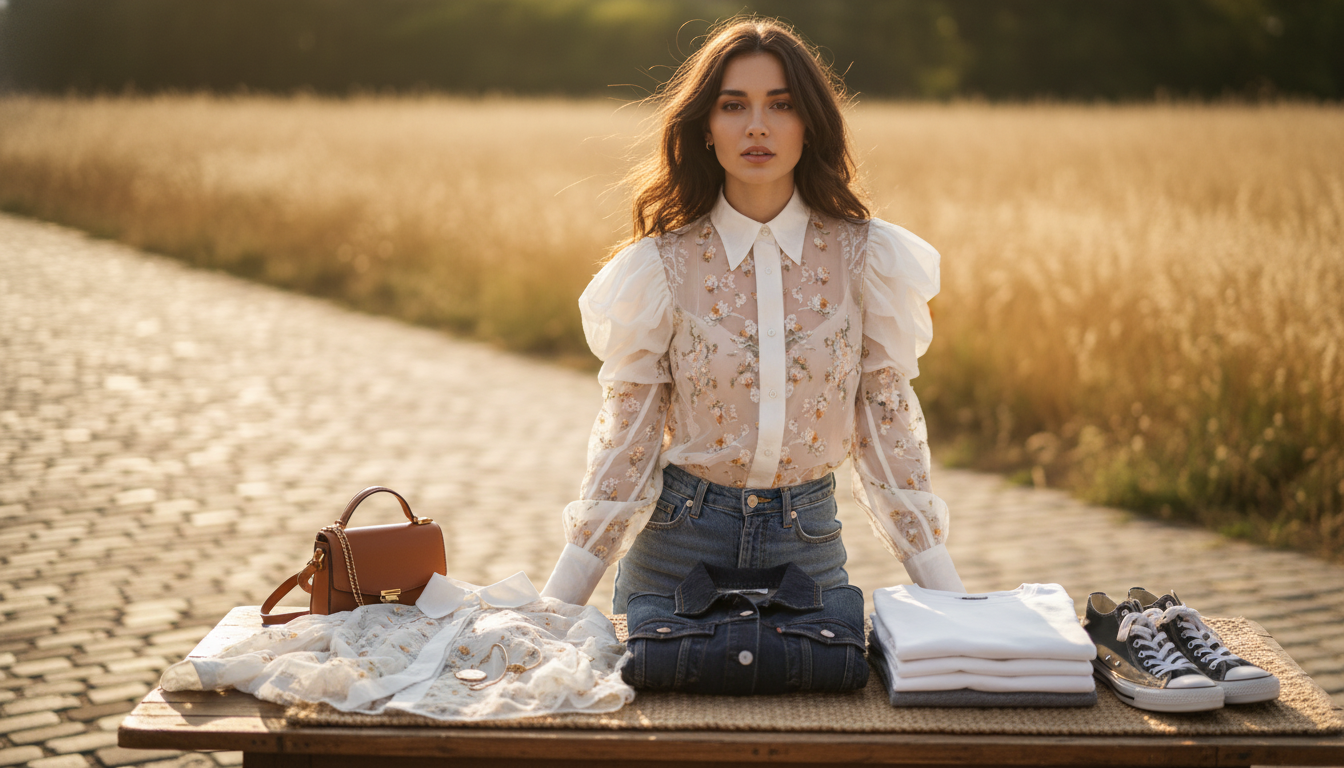
Smart Splurges, Savvy Saves for Clothes: What to Spend More On (and What to Keep Cheap)
Clothing budgets go further when spending matches real-world wear, fabric performance, and repairability. The most cost-effective closet isn’t built from the lowest prices—it’s built from a few high-impact upgrades and a handful of strategic savings. Use the guidelines below to decide where quality pays back over time and where affordable options look just as good.
A simple way to decide: cost per wear, comfort, and care
- Cost per wear: An item worn 50 times can justify a higher price than something worn twice.
- Comfort and fit: If it touches skin all day (shoes, bras, base layers), small quality differences feel big.
- Care demands: Items that require dry cleaning or delicate handling can erase savings fast. Care label rules are standardized, so it’s worth learning what they really mean (see the FTC Clothing & Textile Care Labeling Rule).
- Repairability: Pieces with replaceable parts (soles, buttons, zippers) age better than disposable construction.
- Lifestyle match: Office, travel, parenting, weather, and commute should drive priorities more than trends.
Quick guide: what usually deserves a splurge vs a save
| Category | Often worth a splurge | Often safe to save |
|---|---|---|
| Shoes | Everyday walking shoes, boots with resolable soles, supportive sneakers | Occasion shoes worn rarely, trend colors |
| Outerwear | Coats for cold climates, rain shells used weekly | Light layers, occasional jackets |
| Denim & pants | Go-to jeans/trousers with great fit and durable fabric | Trend silhouettes, seasonal colors |
| Knitwear | Merino/cashmere blends worn frequently, sturdy stitching | Statement knits, novelty textures |
| Tops | Button-downs with good collars/cuffs, elevated basics | Graphic tees, trend tops |
| Activewear | Leggings/bras for high-impact workouts, technical fabrics | Low-impact sets, fashion-only athleisure |
| Underwear & socks | Bras, seamless underwear, merino socks | Special-occasion pieces |
| Accessories | Everyday bag, belt, simple jewelry worn daily | Trend bags, costume jewelry |
Smart splurges: the pieces that pay back
- Shoes worn weekly: Prioritize comfort, arch support, quality insoles, sturdy uppers, and secure stitching. Check outsole traction and the return window—fit is non-negotiable. For long-term upkeep, basic leather care practices help preserve uppers and reduce cracking (see Smithsonian guidance on taking care of leather).
- Outerwear that faces weather: Look for wind and rain resistance, quality zippers, and enough room for layering. For rain shells, sealed seams and a good hood adjustment matter more than brand names.
- A “signature” pant/jean: Spend for a fit that makes outfits effortless and fabric that rebounds after sitting and walking. Better construction reduces stretching, sagging, and seam blowouts—especially at inner thighs and pockets.
- Bras and supportive base layers: Consistent support and comfort can improve posture and reduce end-of-day fatigue. Rotate bras (and avoid hot drying) to extend lifespan.
- Workhorse knitwear: Better fibers and tighter knitting pill less and hold shape longer. Fiber choice also affects durability and environmental footprint; compare common fabrics in Good On You’s materials guide. Store sweaters folded to avoid shoulder stretching.
- Tailoring budget: Even mid-priced items look premium when hems and waists are adjusted. Treat alterations as part of the purchase decision, especially for trousers, blazers, and dresses.
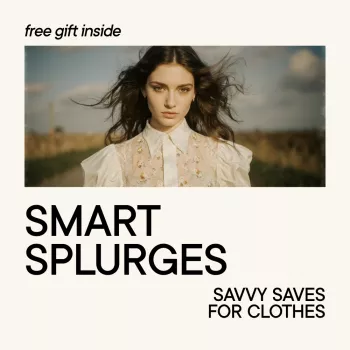
If a structured plan helps, the downloadable guide Smart Splurges, Savvy Saves for Clothes: Your Guide to What to Splurge vs Save on for Clothes is a quick reference for building a balanced closet without overbuying duplicates.
Savvy saves: where affordability doesn’t hurt much
- Trend items: Bold cuts, colors, and novelty details can be fun at a lower price because they may not stay in rotation.
- Occasionwear: Formal outfits worn once or twice rarely justify premium pricing. Renting, resale, or a budget find can look just as polished with the right shoes and simple accessories.
- Basic tees and seasonal tops: Choose decent fabric weight and neat seams; skip heavy spending if the item gets replaced often due to stains, sun fading, or frequent washing.
- Statement accessories: Trend belts, costume jewelry, and seasonal bags can be inexpensive without compromising the overall look—especially when the rest of the outfit is simple.
- Loungewear and casual sets: Prioritize comfort and washability. Mid-range quality is often enough when the fit is right and the fabric isn’t overly thin.
- Kids’ clothes: Frequent size changes make ultra-premium less practical. Focus on easy care, stain tolerance, and soft waistbands.
Quality checkpoints to spot the difference in minutes
Budget blueprint: build a closet that works harder
For travel or shared laundry situations, a simple add-on that helps protect frequent-wash items is a breathable liner—especially if you’re trying to wash less and air out more. The Cotton Sleeping Bag Liner is an easy layer to keep oils and deodorant transfer off your main sleepwear while on the road.
Make clothes last longer: care habits that protect every purchase
FAQ
What clothing items are most worth spending more on?
Focus on pieces worn weekly that affect comfort and fit: everyday shoes, weather-ready outerwear, well-fitting pants/jeans, supportive bras, and durable knitwear. Repairability (like resolable soles or sturdy zippers) improves long-term value, and higher cost per wear often ends up lower over time.
What clothes can be cheaper without looking low quality?
Trend items, occasionwear, statement accessories, graphic tees, and seasonal tops are usually safe places to save. To avoid a “cheap” look, check for fabric opacity, neat seams, and hardware that feels secure.
How can cost per wear be estimated quickly while shopping?
Estimate how many times you’ll wear the item per month and how many months it should last, then divide the price by total wears. For a more realistic number, add expected alterations and any special care costs (like dry cleaning) before doing the math.








Leave a comment