

What to Do After an Engine Overheats: 5 Safe Steps
What to do after overheating?
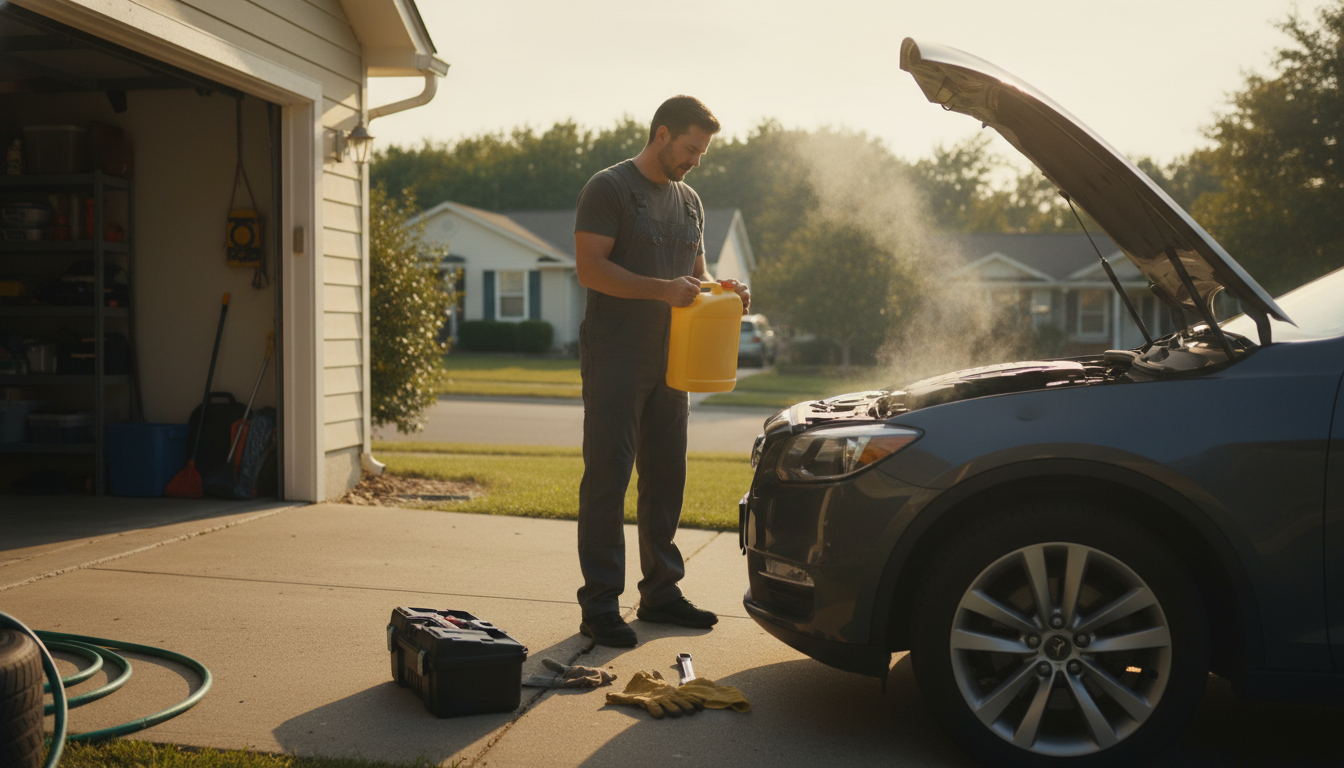
Once an engine has overheated, treat the aftermath as a safety and damage-control situation. Even if the temperature gauge drops back to normal, hidden issues (coolant loss, warped components, damaged hoses) can turn a minor scare into a repeat breakdown.
1) Let the engine cool fully before touching anything
Park in a safe spot, turn the engine off, and wait. Don’t open the radiator cap while it’s hot—pressurized coolant can spray out and cause serious burns. If you need cabin heat while you’re still moving to a safe location, running the heater can help pull heat from the engine, but once stopped, prioritize cooling time.
2) Check coolant level and look for obvious leaks
After the engine is cool, check the coolant reservoir level. If it’s low, add the correct coolant (or water in an emergency) to the reservoir, not the hot radiator. Look underneath for puddles and inspect for wet hoses, a cracked reservoir, or white/green residue that signals a leak.
3) Inspect belts, hoses, and the radiator fan
Scan for a loose or broken serpentine belt and for swollen, soft, or split hoses. If the electric radiator fan isn’t running when it should, overheating can return quickly in traffic. Any visible damage is a strong sign you should avoid driving until repairs are made.
4) Don’t “test drive” aggressively
If you must drive, keep trips short, avoid hills and stop-and-go traffic, and watch the temperature gauge continuously. The moment the needle rises again or you see steam, stop and shut the engine off.
5) Get the system checked soon
Overheating can be caused by a thermostat failure, water pump issue, clogged radiator, stuck fan, or a head gasket problem. A professional cooling-system pressure test and inspection can pinpoint the cause before it becomes expensive.
For a step-by-step immediate-response guide and additional troubleshooting, see the full resource here: https://splendena.com/guide-car-overheating-what-to-do-immediately/.
FAQ
Can I drive after my car overheats if the temperature goes back to normal?
Only if it’s absolutely necessary and you’ve confirmed coolant is at a safe level and there are no obvious leaks. Drive minimally, monitor the gauge closely, and stop immediately if the temperature rises again.











Leave a comment