


Move Better, Hurt Less: How Alignment Eases Pain
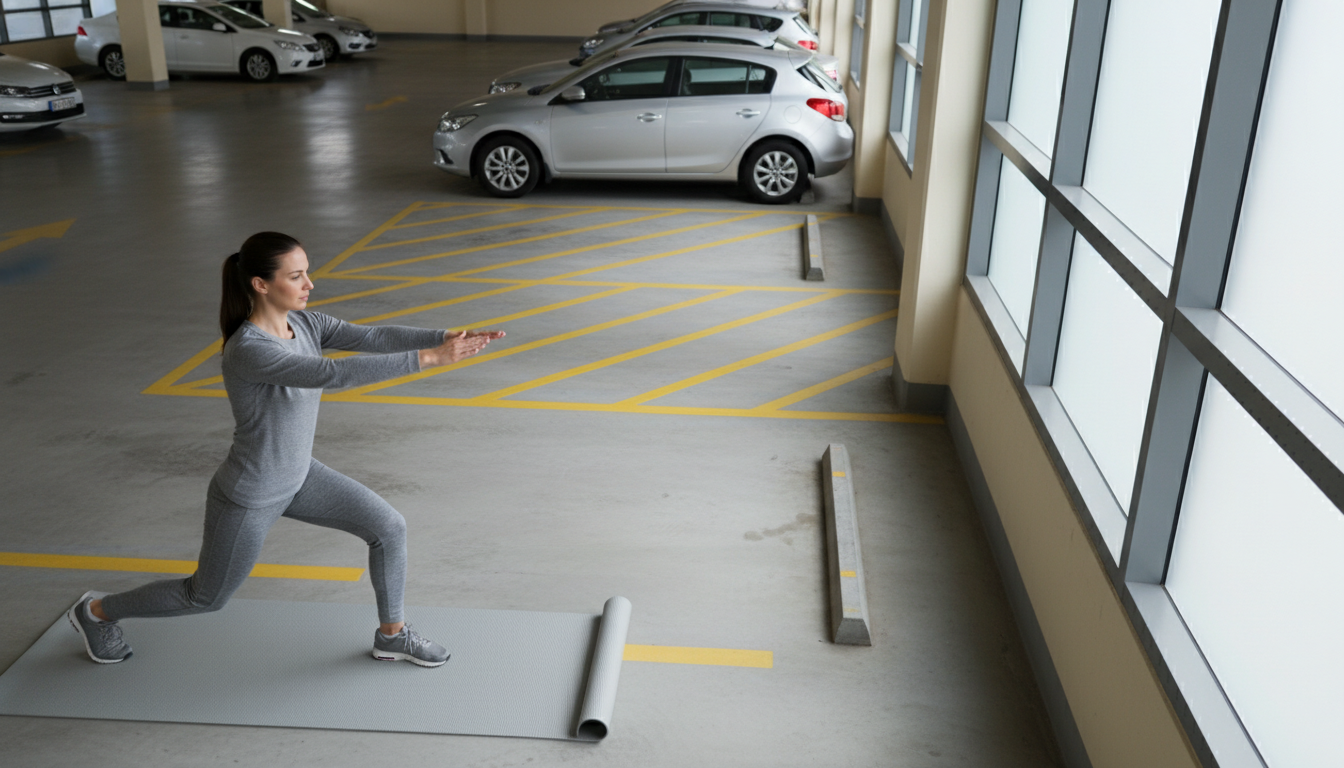
Can moving better reduce pain?
Often, yes. When movement is steady and well-aligned, it can decrease pain by improving blood flow, warming tissues, and helping joints move through comfortable ranges instead of getting “stuck” in stiff positions. Gentle activity can also calm the nervous system over time, which may reduce how intense pain feels during everyday tasks like bending, reaching, or standing up from a chair.
The key is “moving better,” not simply moving more. Pain frequently flares when the body repeatedly loads the same spots—like the low back, hips, or neck—because other areas aren’t contributing. Small mobility and control drills can spread the work across more joints and muscles, helping you move with less strain.
Why movement can help (and when it might not)
For many people, discomfort increases with prolonged stillness. Light movement can reintroduce motion to joints, improve muscle coordination, and reduce the sense of tightness that comes from guarding. That said, sharp, escalating, or radiating pain needs extra caution. If symptoms intensify quickly, include numbness/tingling, or follow an injury, it’s smart to get medical guidance before pushing through.
What “better movement” looks like day to day
Better movement is usually slower, smaller, and more controlled than expected. Aim for pain-free (or very low-pain) ranges, steady breathing, and smooth transitions—especially for the spine, hips, and shoulders. A short daily routine can be more effective than occasional long sessions because your body responds well to frequent, low-dose practice.
For a simple plan you can follow, see this step-by-step guide: 10-minute daily mobility routine for pain-free movement.
Quick tips to try today
Start with 2–3 minutes of easy walking or marching in place, then add gentle mobility for the area that feels stiff (like hip circles or thoracic rotations). Finish with one controlled strength move—such as a sit-to-stand or wall push-up—to “lock in” the new range. Keep effort moderate and stop if pain spikes or changes character.
FAQ
What kind of pain gets better with movement?
Stiff, achy, or “tight” discomfort that eases as you warm up often responds well to gentle mobility and light activity. Many overuse-related aches also improve when movement quality and load are adjusted.
Does back pain get better with walking?
For many people, easy walking helps by promoting circulation, reducing stiffness, and keeping the spine and hips moving. Start with short, comfortable bouts and increase gradually if symptoms settle during or after.











Leave a comment