
Fresh Start Office Capsule: Minimalist Work Wardrobe Reset
Your Fresh Start Work Wardrobe: A Minimalist Capsule Reset for the Office
A work wardrobe reset can reduce decision fatigue, sharpen a professional look, and make mornings faster. Instead of buying a whole new closet, a “fresh start” works best as a small, repeatable system: edit what you already own, choose a simple direction, and build a tight set of outfits that covers meeting days, desk days, and travel. For more guidance, see What Should I Wear? The Ultimate Guide to Workplace Dress Codes.
Research-backed reminders help, too: what you wear can influence perception and performance, and reducing daily choices can preserve mental energy for higher-impact decisions (see Harvard Business Review and Mayo Clinic’s overview of decision fatigue). For further reading, see Essential Capsule Wardrobe for Professional Men | Articles of Style.
What a “fresh start” work wardrobe actually means
- Function first: your role, dress code, climate, commute, and weekly routine set the rules.
- Fewer, better pieces: prioritize items that mix easily over “almost right” one-offs.
- Remove friction: duplicates, poor fit, uncomfortable fabrics, and trend pieces that don’t earn their keep.
- Build a system: a small palette, consistent silhouettes, and a simple weekly outfit plan you can repeat.
Step 1: Clarify the job, the dress code, and the week you actually live
Start with the next 2–4 weeks, not the idealized version of your calendar. List what’s coming: presentations, client meetings, interviews, travel, on-site days, and remote days. Then decide what “polished” needs to look like at your highest-stakes moment.
A helpful approach is to set a “top tier” standard (your most formal scenario), then let everything else scale down. That prevents the common trap of buying for rare events while neglecting everyday comfort.
Work wardrobe needs snapshot
| Category | Questions to answer | Examples |
|---|---|---|
| Dress code | What is considered appropriate at the highest-stakes moment? | Business formal, business casual, smart casual |
| Schedule | Which days require the sharpest outfits? | Client days vs. internal days |
| Comfort | What causes discomfort or distraction? | Tight waistbands, itchy knits, loud shoes |
| Climate/commute | What layers are essential? | Blazer + trench, breathable knits, weatherproof shoes |
| Brand impression | What should the style communicate? | Reliable, creative, modern, executive |
Finally, pick one success metric for the reset. Examples: fewer outfit changes during the day, no last-minute shopping, or a consistently polished look that feels like “you.” One metric keeps decisions clean when you’re tempted by random add-ons.
Step 2: Edit the closet with a minimalist filter (keep, tailor, donate, replace)
Editing is where the “fresh start” actually happens. Put on items and move in them—sit, reach, walk. If it’s uncomfortable for a full workday, it’s not a work staple.
- Start with fit and comfort: keep only what feels good from morning to commute home.
- Check condition in daylight: pilling, shine at seams, stretched collars, worn heels, fading.
- Make three piles: Ready-now, Needs-tailoring, Exit.
- Identify real-life gaps: polished flats, a meeting-ready knit, a layering top that doesn’t bunch.
- Use one-in/one-out for 30 days: it prevents rebound clutter while you test your new system.
Tailoring is often the fastest “upgrade.” Hemming trousers, refining sleeve length, or taking in a blazer waist can make older pieces look current without replacing them.
Step 3: Choose a simple capsule blueprint (palette + silhouettes + hero pieces)
A capsule isn’t about restriction—it’s about compatibility. When everything coordinates, you stop wasting time negotiating with your closet.
- Palette: pick 2–3 neutrals (black, navy, camel, gray) and 1–2 accent colors.
- Silhouette: choose a consistent base (straight-leg trousers, midi skirt, sheath dress, or tailored denim if allowed).
- Hero layers: add 1–2 pieces that instantly read professional (a blazer, structured cardigan, or modern trench).
- Fabric harmony: keep finishes consistent—matte crepe with matte knits, crisp cotton with structured wool.
- Repeatable patterns: pinstripe, small checks, or one signature print you can rewear without fuss.
If you want a quick primer on capsule structure, The Spruce’s capsule wardrobe guide offers a clear overview of how to keep counts practical and wearable.
A smart office capsule: a practical starting list
Use this as a baseline, then adjust for your dress code and laundry cadence:
Outfit planning: create 10 looks from a small set
Professional style reset: details that make outfits look intentional
A digital planner approach for staying consistent
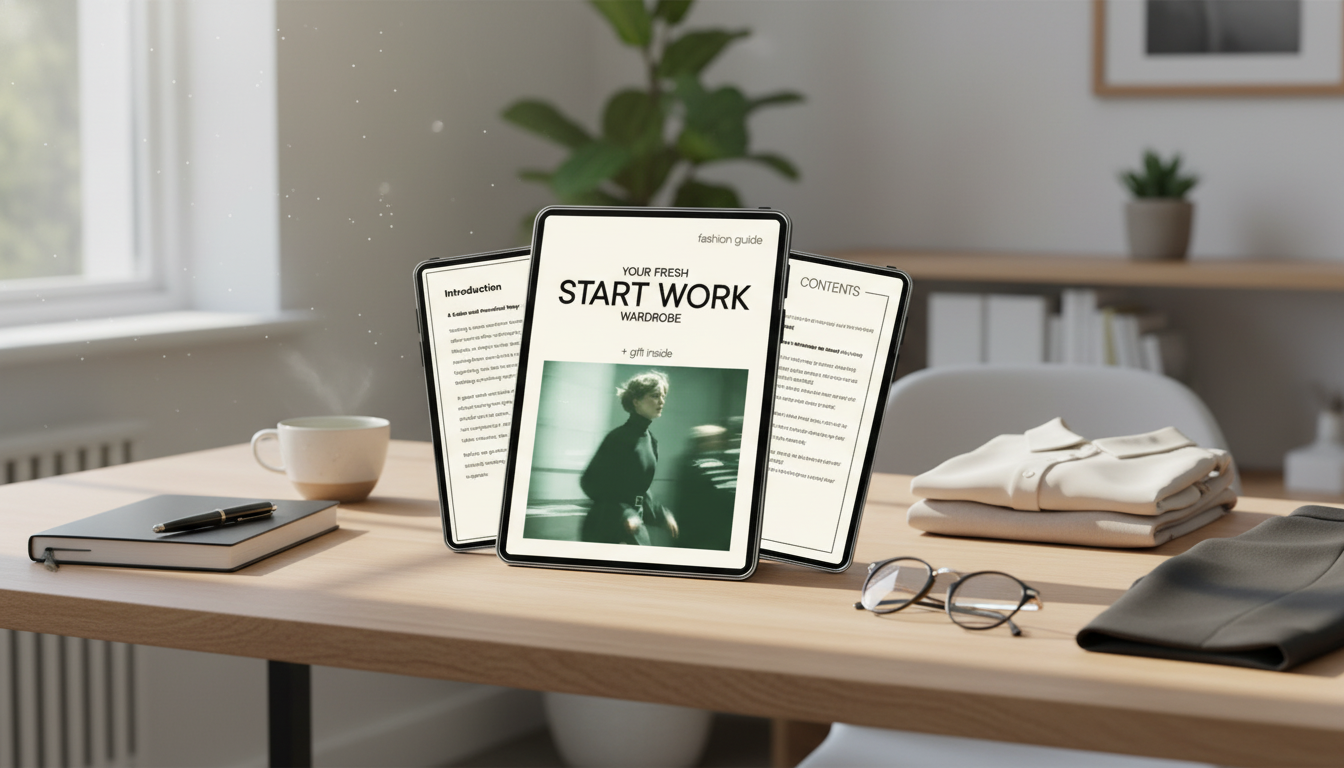
For office return seasons, new roles, or a closet that feels scattered, Your Fresh Start Work Wardrobe – Minimalist Work Capsule Guide (Digital Download) is built to guide the edit, lock in a cohesive palette, plan outfits, and track repeats so the system sticks.
Small add-ons that support the reset (without adding clutter)
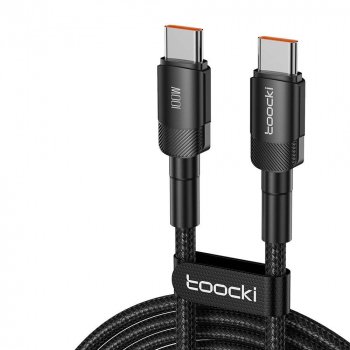
- 100W USB-C to USB-C Fast Charging Cable with PD 3.0 & QC 4.0 – 5A Power for keeping devices powered during commutes, on-site days, and conferences.
- Cotton Sleeping Bag Liner as a lightweight, packable option for work travel or overnight trips when comfort and cleanliness help you feel more put-together the next morning.
FAQ
What is the fresh start programme?
In a wardrobe context, it’s a structured reset: assess what’s working, remove what isn’t, set a simple style direction, and build repeatable outfits from a small capsule.
What is the first step to a fresh start?
Define real-world needs first—dress code, schedule, climate, and comfort—then edit the closet based on fit and function before buying anything.
Are fresh starts good?
They can be, when they create a sustainable system: fewer pieces that fit well, a consistent palette, and an outfit plan that reduces daily stress and improves confidence.









Leave a comment