


10-Min Daily Mobility Routine for Pain-Free Movement
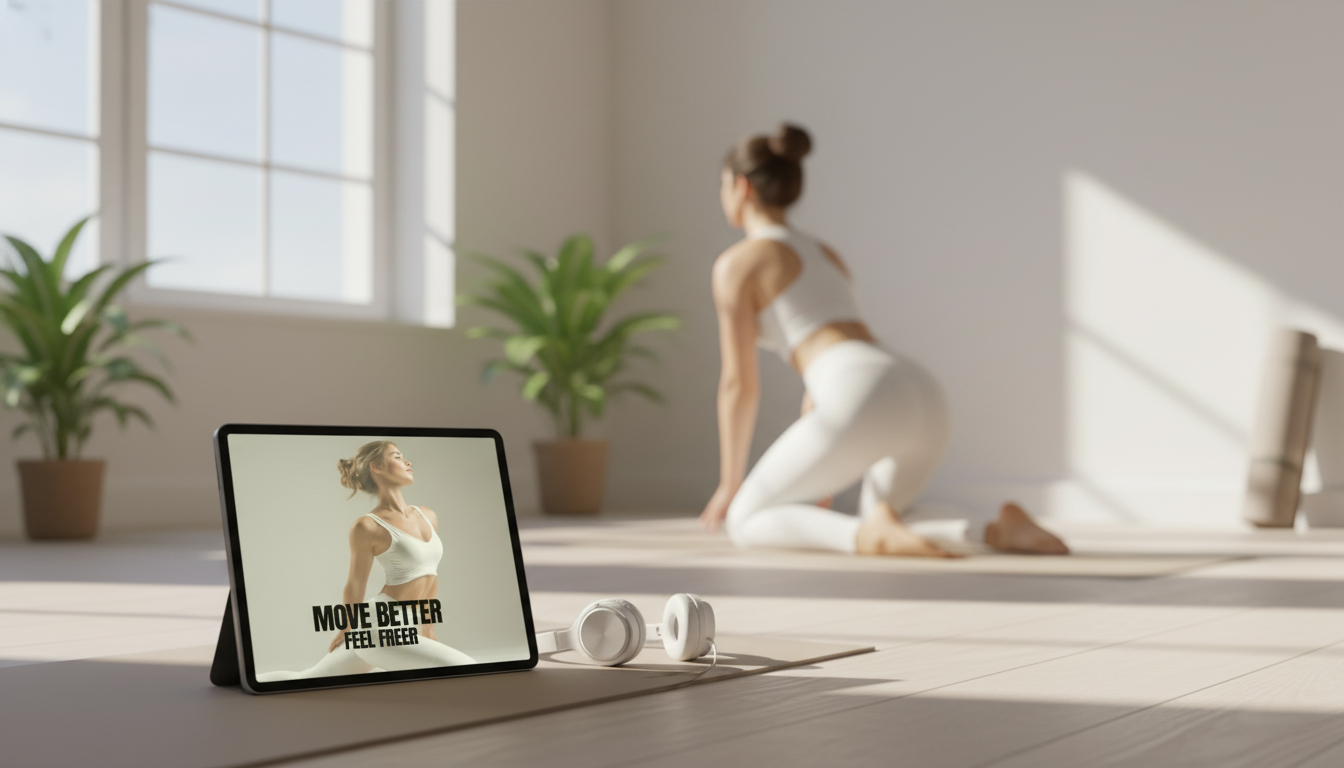
Move Better, Feel Freer: A Beginner-Friendly Daily Mobility Routine for Pain-Free Movement
Stiff hips, tight shoulders, and achy joints often come from repetitive positions, long sitting, and underused ranges of motion—not a lack of effort. A short, consistent mobility practice can help restore comfortable movement, improve flexibility you can use, and make everyday tasks (like climbing stairs, reaching overhead, or getting up from the couch) feel easier. Below is a simple set of principles, a practical 10–12 minute routine, and an easy way to progress without forcing painful stretches.
Mobility vs. flexibility: what changes how you move
Mobility is your ability to actively control a joint through its usable range of motion. That means strength, coordination, and tissue tolerance—not just “being bendy.” Flexibility, on the other hand, is largely the passive ability of muscles and connective tissue to lengthen.
Why this matters: a position you can reach passively (like pulling your knee to your chest) doesn’t always transfer to real movement (like stepping up, running, or squatting). Mobility work helps you “own” the range so your body can access it under control.
A balanced mobility routine usually includes:
- Joint prep (often with breathing and gentle spinal motion)
- Controlled reps at comfortable end ranges
- Light stretching to calm down and help maintain new range
For general stretching and flexibility guidance, the Harvard Health overview on stretching basics is a helpful reference.
A simple daily structure that works for beginners
For most beginners, 8–15 minutes most days works better than occasional long sessions. The goal is frequency and quality, not intensity.
A reliable sequence:
- Breathing + spine (reduce bracing and find smoother motion)
- Hips/ankles (common “stiff” areas from sitting and shoes)
- Shoulders/thoracic spine (support reaching, posture, and overhead work)
- Finish with a calm stretch (easy breathing, no forcing)
Keep effort at a comfortable 3–6/10. Avoid sharp pain, pinching, or numbness. Slow nasal breathing often helps reduce unnecessary tension so joints can move more freely.
Daily mobility routine (10–12 minutes)
Set a timer, move steadily, and keep every rep smooth. If anything feels “pinchy,” shorten the range and slow down.
| Move | Time/Reps | What to focus on | Common mistake to avoid |
|---|---|---|---|
| 360° breathing reset | 1 minute | Ribs expand on inhale; longer exhale | Shoulders shrugging up |
| Cat-cow (slow) | 6–8 reps | Move one segment at a time | Rushing through end ranges |
| 90/90 hip switches | 5–8/side | Stay tall; smooth transitions | Leaning back to “cheat” range |
| Knee-to-wall ankle rocks | 8–12/side | Heel stays down; knee tracks over toes | Collapsing the arch |
| Open-book rotations | 6–10/side | Rotate through upper back, not low back | Forcing shoulder past comfort |
| Doorway chest stretch | 45–60 sec | Easy breath; mild tension only | Numbing/tingling down the arm |
Quick form cues to make the routine feel better
- Breathing reset: Place hands on the lower ribs. Inhale gently so the ribcage expands 360° (front/side/back). Exhale longer than you inhale and let the shoulders soften.
- Cat-cow: Move slowly enough to feel each part of the spine participate. If wrists are sensitive, do it on fists or forearms.
- 90/90 switches: Keep the chest tall and transition with control. Reduce the range if your hips feel jammed at the front.
- Ankle rocks: Keep the whole foot rooted. Track the knee over the middle toes without letting the arch collapse.
- Open-book: Let the upper back rotate while the knees stay stacked. Stop before your shoulder feels forced.
How to progress without overdoing it
Progress should feel boring—in a good way. Pick one variable to change at a time:
- Add 1–2 reps per week, or
- Slow the tempo (more time under control), or
- Increase the session by 1–2 minutes if you recover well
Quality rules: smooth motion, steady breathing, and no end-range pinch. Use a simple 2-day rule: if soreness or irritation lasts more than 48 hours, reduce range or volume next session.
To help mobility “stick,” add light strength 2–3 days per week after your routine. Split squats, glute bridges, rows, and overhead carries teach your body to use the new range under load. For broader flexibility and stretching recommendations, the American College of Sports Medicine resource library is a solid place to learn general best practices.
Common tight spots and quick fixes for daily life
- Hip stiffness from sitting: Stand up every 45–60 minutes. Do 30–60 seconds of gentle hip extension: squeeze one glute and reach the same-side arm overhead while breathing slowly.
- Neck/upper back tension: Before checking a phone or opening a laptop, do 5 slow chin nods and 5 shoulder blade squeezes (down and back, not shrugged up).
- Ankles that limit squats and stairs: Do knee-to-wall ankle rocks while brushing teeth or waiting for coffee.
- Wrist/forearm stiffness (desk work): Gentle wrist circles and palm stretches with mild sensation only—avoid aggressive pulling.
When to be cautious and get help
If pain is persistent, progressive, or affects sleep, consult a licensed clinician for assessment. The NIH MedlinePlus pain guide offers a clear overview of pain basics and when to seek care.
A structured path to follow day by day
- Move Better, Feel Freer – Beginner Mobility Guide eBook, Daily Mobility Exercises, Pain-Free Movement & Flexibility Digital Download
- 100W USB-C to USB-C Fast Charging Cable with PD 3.0 & QC 4.0 – 5A Power (handy for keeping a device charged during timed sessions)
- Cotton Sleeping Bag Liner (a simple option for added comfort if you’re doing floor-based mobility)
FAQ
Can moving better reduce pain?
Often, improved mobility and better movement control can reduce everyday aches by lowering joint stress and spreading load across more tissues. Pain that is sharp, worsening, or accompanied by numbness or tingling should be evaluated by a qualified professional.












Leave a comment